
What Is Semi Dull Polyester Filament Yarn and Why Choose Our Company?
2026-06-28
Ever noticed how some fabrics have a soft, understated glow without being overly shiny? That's the magic of semi dull polyester filament yarn—a workhorse in the textile world that balances visual appeal with durability. At Changshu Polyester, we've spent years perfecting this yarn to help brands create products that stand out on the shelf and in use. Curious what makes it so special and why so many choose us as their partner? You’re about to find out.
Understanding Semi Dull Polyester Filament Yarn: Beyond the Sheen
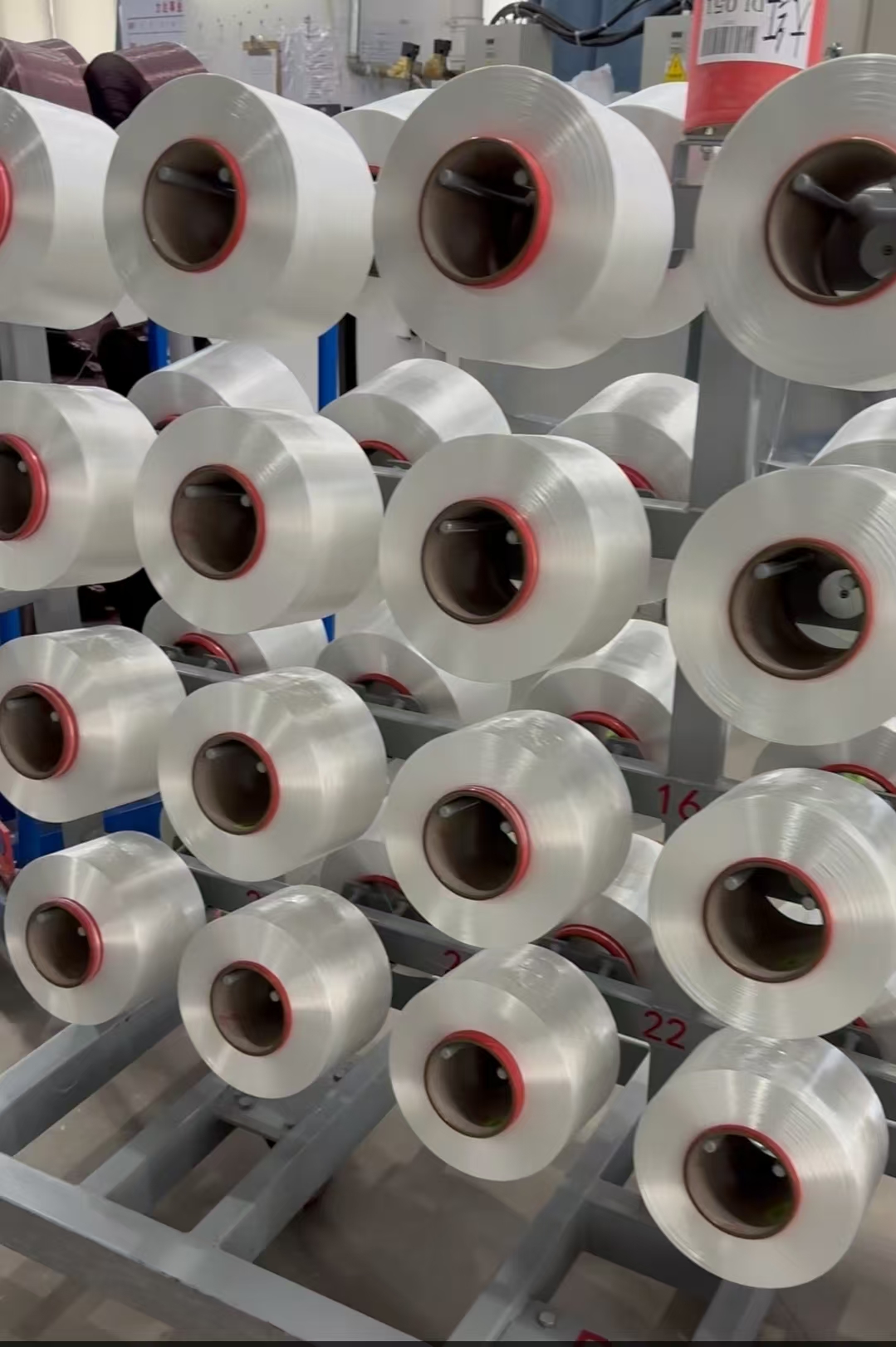
Semi dull polyester filament yarn often gets boxed into conversations about its muted luster, but that modest sheen is just the surface. Dig a little deeper and you’ll find a fiber engineered for consistency. The reduced brightness isn’t simply cosmetic—it comes from a controlled addition of titanium dioxide during polymerization, which scatters light. This process also influences how the yarn behaves during weaving and knitting, giving it a softer hand than you’d expect from standard bright variants, and making it far less prone to snagging or pulling under tension.
Beyond optics, the real story is in how this yarn interacts with dyes and finishes. The same particles that dial down gloss also create a more open surface structure, allowing color to bite evenly without the chalky overcast you sometimes see with full dull types. That means rich, deep shades sit naturally on the fabric, and the material takes on a quiet elegance that feels intentional rather than industrial. It’s the reason you’ll spot semi dull polyester in everything from tailored blouses to soft-shell outdoor gear—places where people want performance without the plastic shine.
Where it really stands out is in the balance between durability and drape. Bright filament yarns can feel slick and rigid, while full dull can turn chalky and stiff. Semi dull walks a middle path, offering enough pliability to mimic natural fibers like cotton or silk in a blend, yet holding its shape through endless wash cycles. That combination of subtle luster, dye affinity, and mechanical give makes it a quiet workhorse in textile design, not just a filler yarn but a deliberate choice for fabrics that need to look refined and last longer than the season.
The Science Behind the Soft, Subtle Luster
The soft, subtle luster we admire in materials like silk, pearls, or certain polished stones isn't just an aesthetic accident—it's a direct result of how light interacts with their surface and internal structure. Unlike a mirror-like shine that reflects light in a single, sharp direction, these materials scatter incoming light in a diffused manner. This happens because their surfaces are not perfectly flat at a microscopic level; they consist of overlapping layers, fine ridges, or transparent coatings that break up light rays, sending them off in many directions. The result is a gentle glow that seems to emanate from within the object, giving it a depth and warmth that a high-gloss finish could never achieve.
At the heart of this phenomenon lies the principle of subsurface scattering. In materials like jade or human skin, light doesn't just bounce off the topmost layer; it penetrates slightly into the material, bouncing around between tiny particles or fibers before emerging back out. This internal journey scatters the light, softening the highlights and creating a luminous quality that feels organic. The specific texture and arrangement of these subsurface structures determine whether the luster appears creamy, silky, or pearlescent. For instance, the nacre of a pearl is built from countless microscopic platelets of aragonite, arranged like bricks in mortar, which interfere with light to produce that iconic iridescence and soft radiance. This complex interplay of reflection, refraction, and diffraction ensures that no two materials—and no two viewing angles—look quite the same.
Even modern manufacturing tries to mimic this delicate balance. A brushed metal surface, for example, reduces glare by aligning its microscopic scratches in a uniform direction, scattering light across a wider cone. Similarly, matte paints and fabric finishes rely on introducing irregular surface roughness to mute harsh reflections. The goal is always the same: to recreate that soothing, natural elegance that avoids the coldness of a high-polish mirror and instead invites the eye to linger. Understanding the science behind this soft luster reveals why it so often feels timeless and luxurious—it’s a subtle reminder of the complexity hidden in simple beauty.
Where This Yarn Excels: From Fashion to Function
This yarn slips effortlessly into high-end fashion without feeling fussy. Designers love its drape and subtle luster, which lends itself to everything from fluid evening dresses to structured blazers. It holds dye like a dream, producing shades that stay rich after countless wears. Even in casual knits, it brings a touch of refinement that elevates a simple sweater into a go-to wardrobe staple.
On the functional side, it truly shines in gear that works hard. The fiber blend wicks moisture and resists pilling, making it a smart choice for activewear and outdoor layers that face real weather. It’s also become a quiet favorite for home textiles—think cozy, breathable blankets and pillows that keep their shape. Without sacrificing softness, it delivers the kind of durability that busy households appreciate.
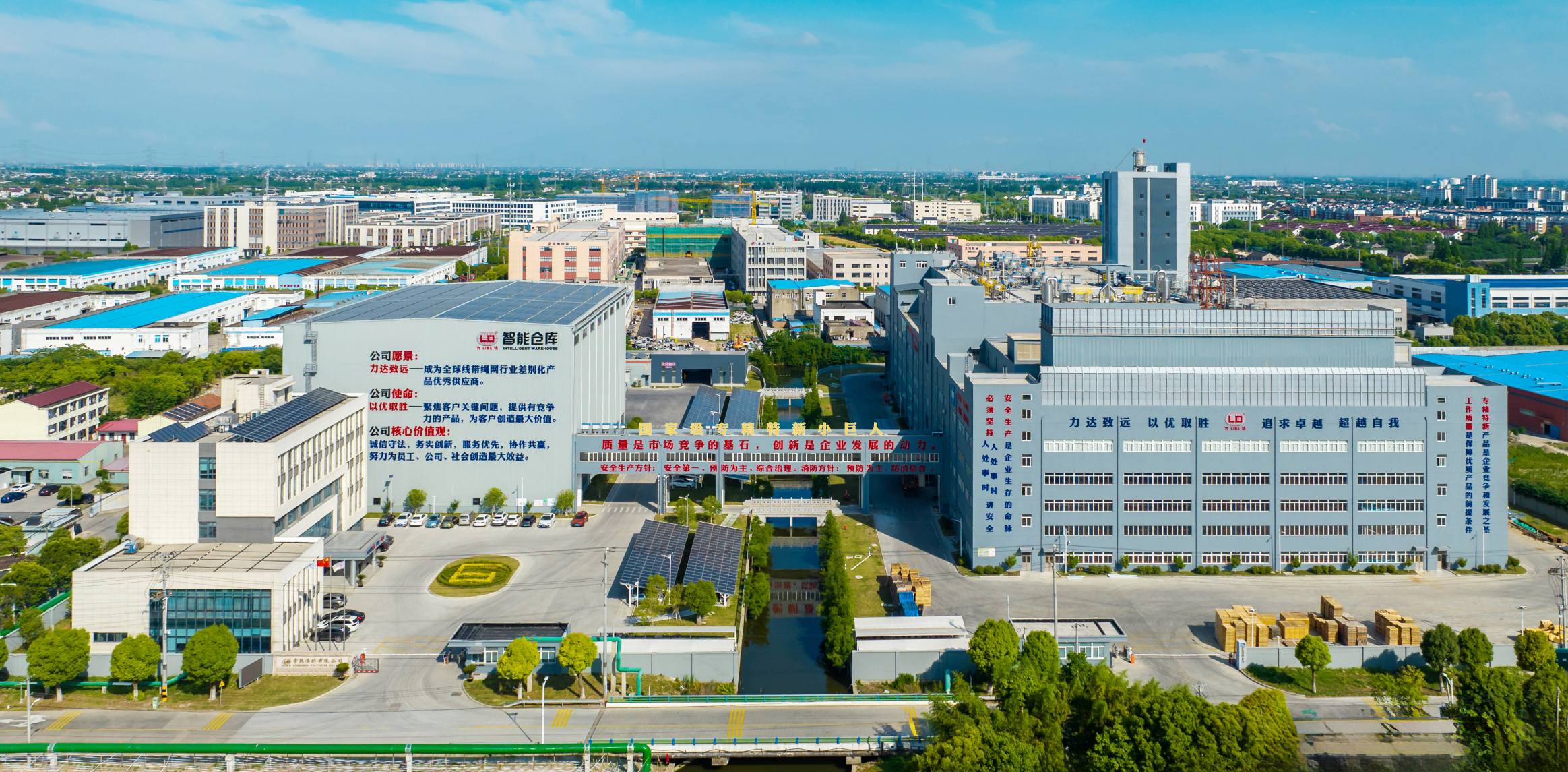
Our Manufacturing Edge: Precision and Purity
What truly distinguishes our manufacturing lies in the seamless fusion of cutting-edge automation and meticulous handcrafted oversight. Every stage, from raw material intake to final packaging, is governed by sensor-driven precision controls that maintain tolerance levels far beyond industry norms. This isn't just about machines running efficiently—it's about an environment where temperature fluctuations, humidity shifts, and particulate counts are continuously neutralized, ensuring that no external variable compromises the integrity of our output.
Purity, for us, starts with an uncompromising selection of source materials and extends through a multi-barrier purification protocol. We don't simply filter; we subject each batch to a sequence of electrochemical and mechanical refinement steps that strip away impurities down to parts per billion. Behind this process is a team of chemists and process engineers who routinely audit and recalibrate the system—not because something went wrong, but because settling for 'good enough' has never been part of our vocabulary. The result is a level of cleanliness that consistently surpasses pharmacopoeia standards, leaving no room for contamination risks.
What binds our precision and purity efforts together is an unyielding traceability architecture. Every production run is digitally mapped, with real-time data provenance that allows us to reconstruct the exact conditions under which a particular batch was made, months or even years later. This obsessive documentation isn't just for compliance—it's how we turn every dataset into actionable refinement, closing the loop between the shop floor and our R&D wing. It's this living, breathing manufacturing ethos that allows us to deliver not just products, but a promise of reliability that our partners have come to depend on without a second thought.
Why Global Brands Trust Our Yarn Solutions
When a brand places an order for yarn, they’re not just buying thread—they’re investing in the integrity of every garment that will carry their label. We’ve spent years refining our spinning processes so that each delivery feels identical to the last, no matter where in the world it lands. That kind of consistency removes surprises from production lines and lets designers push creative boundaries without worrying about what arrives at the factory door.
Beyond the technical specs, there’s a quiet confidence that comes from knowing your supplier genuinely cares about the people and ecosystems behind the fiber. We work directly with growers and mills that share our insistence on fair labor and reduced environmental impact. It’s not a marketing checkbox; it’s how our sourcing teams build relationships that span decades. Global brands notice this, because their own reputations depend on it.
Another reason partnerships stick is our refusal to say no when briefs get demanding. Small-batch color matching, hybrid blends nobody’s attempted before, a sudden need to tweak micron count—our R&D group treats these as puzzles worth solving, not disruptions. That flexibility means clients stop shopping around and start treating us as an extension of their own design studios.
A Commitment to Sustainability and Innovation
From the ground up, our operations weave together forward-thinking design and eco-conscious practices. Every product lifecycle is scrutinized to minimize waste, while our R&D teams relentlessly pursue breakthroughs that reduce environmental impact without compromising performance.
Innovation isn’t just about technology—it’s a mindset that challenges conventional shortcuts. By reimagining materials and processes, we’ve turned sustainability from a constraint into a catalyst, sparking solutions that are as resourceful as they are effective.
This dual focus shapes everything we do, from sourcing raw materials to final delivery. It’s a living commitment, constantly refined through data-driven insights and a genuine belief that progress and responsibility can go hand in hand.
FAQ
Semi dull polyester filament yarn is a type of synthetic yarn made from continuous polyester fibers with a reduced luster. Unlike bright yarns that have a high shine, semi dull versions contain a small amount of titanium dioxide to scatter light, giving them a more natural, matte appearance. This makes them ideal for fabrics where a subtle sheen is desired without the plastic-like gloss of fully bright yarns.
It's widely used in apparel, home textiles, and industrial fabrics. You'll find it in everything from shirts and linings to curtains and upholstery, as well as in automotive interiors and sewing threads. Its balanced luster and durability make it a go-to choice for products that need to withstand daily wear while maintaining a refined look.
We focus on consistent quality and customization. Our yarn undergoes rigorous testing to ensure even tension, minimal breakage, and uniform dye uptake. We also offer a broad range of deniers and finishes, and we work closely with clients to tailor specifications—whether they need enhanced tenacity, specific crimp levels, or eco-friendly production processes. Our supply chain transparency and responsive support further set us apart.
Absolutely. Our semi dull polyester filament yarn is engineered for excellent running performance on both circular knitting machines and high-speed looms. We optimize the yarn's interlace and twist to reduce snagging and needle wear, helping manufacturers avoid costly downtime. Many of our customers report smoother operations and fewer defects compared to standard yarns.
We take sustainability seriously. Our production facilities use recycled polyester options and water-based spin finishes. We comply with international standards for chemical management, like Oeko-Tex and GRS, and we continuously invest in energy-efficient technology. We're also transparent about our supply chain, so clients can trace materials back to their source.
We have an in-house lab that color matches virtually any shade, including hard-to-achieve deep blacks and vibrant hues. Beyond dyeing, we can apply special finishes such as anti-static, anti-pilling, or wicking treatments. Our technicians collaborate with your team from sampling to bulk production to ensure the final product meets your exact needs.
In many cases, yes. Our semi dull polyester filament yarn offers a comparable strength-to-weight ratio and better UV resistance than nylon, and it's more cost-effective. For uses like webbing, sewing thread, or light outdoor gear, it can be an excellent alternative. We're happy to discuss your specific requirements and provide test samples to validate performance.
We keep standard items in stock for fast dispatch—often within two weeks. For custom orders, lead times vary based on complexity but we regularly deliver within six to eight weeks. Minimum order quantities are flexible; we cater to both large-scale manufacturers and smaller niche brands, and we don't impose rigid MOQs that strain your cash flow.
Conclusion
Semi dull polyester filament yarn offers a refined alternative to the high-gloss synthetics common in the market. By incorporating a controlled amount of titanium dioxide during the spinning process, the fibers gain a soft, subtle luster that mimics natural materials like cotton or silk, avoiding the plastic-like shine of fully bright yarns. This balance of muted elegance and durability makes it a go-to choice for designers who want comfort and performance without sacrificing aesthetics. The yarn's versatility spans from everyday apparel—such as activewear, lingerie, and linings—to technical textiles in automotive interiors and home furnishings, where its resistance to pilling, fading, and abrasion ensures long-lasting quality.
Our company stands apart through a relentless focus on precision manufacturing and material purity. We control every stage of production, from polymer chip selection to final winding, ensuring consistent denier, even dye uptake, and minimal breakage. This technical rigor has earned trust from globally recognized brands, who depend on our supply for seamless integration into their own high-volume lines. Beyond consistency, we prioritize sustainability: our production facilities capture and reuse process water, offset energy use with renewables, and develop recycled yarn options that meet strict third-party certifications. Innovation runs parallel—our R&D team continuously refines spin finishes and yarn geometries to reduce microplastic shedding and enhance biodegradation pathways. With deep technical support and a partnership mindset, we help clients solve problems rather than just fill orders.
Contact Us
Contact Person: CONNIE
Email: [email protected]
Tel/WhatsApp: 86-0512-53671634
Website: https://www.lida-yarn.com/