
Top Port Dredging Supplier for Reliable Harbor Maintenance
2026-11-02
A harbor that can’t stay dredged doesn’t just slow down ships—it quietly drains your operational budget and tests safety margins. Reliable harbor maintenance starts with a top port dredging supplier who understands silt cycles, tidal patterns, and the real cost of downtime. YaKai Dredger has built its reputation on that exact kind of reliability. Here’s what to look for before you commit to your next dredging partner.
Keeping Harbor Channels Clear Without the Usual Downtime
Port operators have long accepted that keeping shipping lanes deep enough for modern vessels means periodic closures—until now. A shift toward low-impact dredging methods, such as water injection and agitation dredging, allows sediment to be resuspended and carried away by natural currents while traffic continues moving. These approaches avoid the need to anchor large cutter suction dredgers across the channel, so berth schedules stay intact and tugs keep working without delays.
Real-time silt monitoring adds another layer of protection. Instead of waiting for a survey vessel to map the harbor floor, fixed sensors track accumulation rates at critical pinch points. When thresholds are hit, maintenance crews deploy compact dredging units during off-peak tide windows—often at night—clearing only the spots that actually need attention. This targeted method cuts fuel use and keeps the main channel open for daytime arrivals and departures.
The payoff is more than operational convenience. By eliminating forced downtime, terminals avoid the costly domino effect of diverted ships, idle crane gangs, and missed feeder connections. Harbor authorities also report fewer environmental compliance hurdles, since low-turbidity techniques reduce the plume of disturbed sediment that typically accompanies large-scale dredging campaigns. In short, the channel stays clear, the schedule stays full, and nobody has to stop work to make it happen.
Dredging Equipment That Handles Tough Sediment Quietly
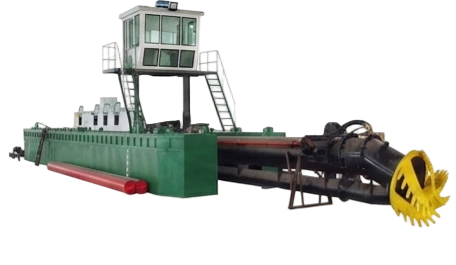
Most dredging projects run into the same wall: hard-packed clay, glacial till, or debris-laden silt that stalls conventional cutters and forces operators to push machinery past comfortable noise limits. The shift toward direct-drive hydraulic pumps and variable-frequency electric motors has changed that equation. Instead of relying on high-RPM diesel engines that scream through every pass, newer rigs pair a low-speed, high-torque cutter head with sound-dampened enclosures. The result is a dredge that can chew through compacted sediment at under 70 decibels at the operator station, which matters when work happens near residential canals or marinas where noise complaints shut down projects faster than mechanical failure.
Tough sediment isn't just about hardness—it's about particle size and abrasion. Replaceable tungsten-carbide teeth on the cutter basket, combined with a hydraulically adjustable suction mouth, let the equipment maintain a steady slurry density without overloading the pump. What often gets overlooked is the role of the ladder-mounted jetting ring: low-pressure water injection softens the cut face ahead of the cutter, reducing both the required torque and the grinding noise that comes from metal-on-rock contact. Operators report being able to hold a normal conversation on the deck while the dredge works through material that would have required blasting or a clamshell bucket a decade ago.
Maintenance schedules also play into the quiet operation. Rubber-isolated mounting points for the pump and gearbox cut vibration transfer to the hull, which is often the loudest part of a conventional dredge. Coupled with smart load-sensing hydraulics that only spin the cutter as fast as the sediment demands, these rigs burn less fuel and produce a low, steady hum rather than the intermittent roar of older equipment. For contractors, that means longer allowable working hours in noise-sensitive zones and fewer neighbor complaints—without sacrificing the bite needed for stubborn sediment.
Scheduling Maintenance Around Your Port's Busy Season
Maintenance planning at a busy port is rarely a simple calendar exercise. When cargo volumes spike during peak season, every piece of equipment—from ship-to-shore cranes to yard tractors—works under intense stress. Trying to pull a critical asset offline for routine service at the wrong moment can cause ripple delays across vessel berthing, truck turn times, and rail connections. The key is to map your maintenance windows against actual throughput forecasts, not just historical averages. Look for short lulls between vessel arrival clusters or during shift handovers when crane utilization dips slightly. Those narrow gaps often provide enough time for quick inspections, lubrication, or parts replacement without sacrificing operational capacity.
One practical approach is to split maintenance into two tiers: urgent corrective work and planned preventive tasks. During the busiest months, reserve daylight hours for unavoidable repairs only, while pushing larger overhauls to off-peak weekends or seasonal dips. Many terminals find success with a floating maintenance crew that roams between berths, handling minor fixes on the spot, instead of blocking an entire crane for half a day. This means having spare parts staged in mobile containers near high-traffic areas, so technicians spend minutes—not hours—fetching components. Additionally, coordinate with shipping lines to adjust berthing schedules slightly, creating a 2-3 hour buffer after a vessel departure when adjacent cranes can be serviced without affecting the next arrival.
Don't overlook the human factor. Experienced mechanics who know the port's rhythm can often anticipate failures before sensors trigger alarms. Encourage them to track subtle changes in vibration, heat, or noise during peak season and report early. A quick ten-minute check during a lull can prevent a six-hour breakdown later. Finally, review your maintenance data from the last busy season: which equipment failed most often, what time of day, and under what load. Use that pattern to build a dynamic schedule for the current year, one that flexes with real-time berth activity rather than rigidly following a monthly calendar. That flexibility, not perfect planning, is what keeps a busy port running smoothly when every hour counts.
Meeting Environmental Rules Without Slowing the Work
Job sites often face a tug-of-war between staying compliant with environmental regulations and keeping productivity high. The key is to weave green practices into daily routines so seamlessly that they become part of the workflow rather than an added step. Simple shifts—like using erosion control blankets that install in minutes, or scheduling dust suppression during low-traffic hours—can keep inspectors satisfied without forcing crews to idle.
Another overlooked lever is equipment selection. Modern low-emission machinery and electric hand tools not only help meet air-quality rules but also reduce noise complaints that can trigger stop-work orders. Pairing these with a clear, visual site plan that marks protected zones and stockpile limits lets operators move fast without accidentally crossing the line. When everyone can see the boundaries, mistakes drop and momentum stays high.
Communication is what ties it together. A five-minute tailgate briefing on the day's environmental touchpoints—rather than a lengthy manual—helps crews internalize rules without feeling bogged down. By celebrating small wins, like zero sediment runoff after a heavy rain, teams start to view compliance as a point of pride instead of a hurdle. The result is a site that stays on schedule and on the right side of every regulation.
From Silt to Solid Ground: Repurposing Dredged Material
Every harbor maintenance project produces mountains of sediment that used to be treated as waste. The shift toward viewing this material as a reusable resource has opened new possibilities for coastal resilience and land restoration. Instead of dumping silt offshore, engineers now analyze its composition and match it to local needs, turning a disposal problem into a supply chain for construction and habitat projects.
One practical route is using dredged sediment as fill for brownfield sites or as a base layer for new wetland areas. Fine-grained material, once dewatered and stabilized, can support native vegetation or serve as structural fill behind levees. Pilot projects in river deltas have shown that repurposed silt can raise land elevations in subsiding areas, reducing flood risk while cutting the carbon footprint linked to hauling virgin aggregates.
The technique also extends to manufacturing lightweight aggregate for concrete or blending sediment with organic amendments for topsoil. Success depends on early testing for contaminants and particle size distribution, plus a willingness among local agencies to write specifications that allow recycled material. When communities treat dredged sediment as a local asset rather than a burden, the result is often cheaper infrastructure and healthier shorelines.
Emergency Dredging When a Storm Shifts the Seabed
A shifting seabed after a major storm is not a routine maintenance issue. Channels that were surveyed and cleared a week earlier can suddenly shoal to half their depth, leaving vessels with no safe passage. Emergency dredging in these conditions means mobilizing equipment fast, often before the full extent of the damage is mapped. Instead of waiting for final bathymetric surveys, operators work from preliminary soundings and real-time reports from harbor pilots to target the worst blockages first.
The work itself differs sharply from planned dredging. Storm debris, tangled mooring lines, and compacted sediment layers can damage cutter heads or clog suction pipes. Crews often run shorter shifts with more frequent equipment checks, knowing that a breakdown in the middle of a narrow channel could close the port entirely. Disposal sites may also be inaccessible, forcing temporary placement of dredged material in areas that would normally be off-limits.
Coordination with port authorities, the coast guard, and commercial shipping lines becomes the real bottleneck. Every hour a berth stays blocked pushes cargo onto trucks or delays supply chains inland. The goal is not to restore the seabed to its original contours, but to carve out a safe, stable channel quickly enough to resume traffic while longer-term repair plans take shape.
FAQ
Look for a supplier with a mixed fleet and crews used to switching between small maintenance jobs and urgent deepening after storms. They should have a track record of mobilizing quickly, knowing local current and silt behavior, and working within narrow tide windows without disrupting regular vessel traffic.
Ask whether they test sediment before dredging and have pre-approved placement sites, whether beneficial use options like beach nourishment or marsh restoration are considered, and how they manage water quality during disposal. A supplier that can explain this clearly is likely to avoid costly permit delays.
Routine dredging removes soft, recently deposited material before it compacts or spreads into hard-to-reach corners. Once a channel becomes critically shallow, dredgers spend more time repositioning, may need different cutter heads, and face tighter environmental restrictions, which pushes up costs and lengthens downtime.
Trailing suction hopper dredgers are usually the go-to because they can operate while other vessels pass, working continuously along the channel. For quay walls and tight berth pockets, a backhoe or grab dredger on a spud barge can work in confined spaces without blocking the fairway, especially when paired with a silt curtain.
Coordinate dredging with the supplier's production rates and the port's tidal schedule, use split-hopper barges to reduce cycle times, and consider nighttime work if noise limits allow. A supplier that offers real-time depth monitoring helps the port reopen channels as soon as design depth is reached instead of waiting for final surveys.
Beyond standard turbidity curtains, look for adaptive management—pausing or rerouting when sensitive species are present, using low-spill overflow systems, and monitoring dissolved oxygen. A supplier that has worked with local fishing communities and environmental agencies will usually have a smoother permitting process.
Yes, in many places the dredged sand is clean enough to rebuild eroded beaches or create salt marsh platforms. A supplier with experience in beneficial use can cut disposal costs for the port and help meet shoreline protection goals, but it requires careful grain-size analysis and coordination with coastal engineers.
Conclusion
Keeping a harbor fully operational while dredging is a delicate balancing act, and the teams that do it well are rare. A top supplier approaches the job with an eye on the port's actual rhythm, not a generic maintenance calendar. They map out the busiest weeks and schedule the work so channel clearance happens without turning the terminal into a bottleneck. The equipment they bring isn't just powerful; it's designed to cut through compacted silt, clay, and debris without generating the kind of noise and vibration that rattles nearby businesses or disrupts crew focus. That quiet capability matters more than most port managers expect, especially when work runs overnight or close to passenger terminals. Instead of accepting downtime as inevitable, they treat every hour of lost access as a cost to be engineered away, adjusting cutter heads, pump rates, and barge rotations to match the sediment they actually encounter rather than what the survey suggested months earlier.
Environmental compliance doesn't have to mean slower progress, but it does require knowing the rules before the first bucket hits the water. The best suppliers build monitoring and containment into the workflow from the start, so turbidity stays within permit limits without constant stop-start corrections. They also look at dredged material as a resource rather than waste: testing it for beneficial reuse, dewatering it on site, and turning fine silt into stable fill for shoreline reinforcement or industrial land. That approach cuts disposal costs and keeps trucks off local roads. And when a storm redraws the seabed overnight, the same supplier can shift from planned maintenance to emergency response quickly, often because they already have vessels and crews in the region. A harbor that works with that kind of partner gets more than a dredging contractor; it gets a maintenance system that adapts to weather, regulations, and commercial pressure without losing sight of the channel's long-term reliability.
Contact Us
Contact Person: Nancy
Email: [email protected]
Tel/WhatsApp: (+86) 13869631558
Website: https://www.yakaidredger.com/