

Reliable Magnetic Levitation Compressor Advancements Driving Industrial Efficiency
2026-08-09
Industrial compressed air systems have long struggled with the trade-off between reliability and efficiency, but recent strides in magnetic levitation compressor technology are rewriting the rules. By eliminating contact friction and mechanical wear, these advancements deliver unprecedented uptime and energy savings. At the forefront of this shift, Seize Air is pioneering solutions that are turning heads across sectors—from pharmaceuticals to food processing. But what exactly makes these magnetically levitated compressors so transformative, and why are they quickly becoming the backbone of next-generation industrial operations?
The Core Mechanics Behind Magnetic Levitation Compressors
At the heart of a magnetic levitation compressor lies a brilliantly simple concept: suspend the rotor in mid-air without any physical contact. Instead of relying on conventional bearings that wear down over time, powerful electromagnets positioned around the shaft create a controlled magnetic field that holds the rotor precisely in place. Active sensors continuously monitor rotor position thousands of times per second, feeding data to a control system that adjusts magnetic forces in real time. This dynamic balancing act eliminates friction entirely, allowing the compressor to spin at incredible speeds while using less energy.
The real magic, however, happens when this levitation is combined with advanced inverter technology. The compressor's motor can ramp up or down almost instantly, responding to demand fluctuations without the lag typical of traditional systems. This isn't just about raw speed—it's about adaptability. By varying the rotational speed and magnetic field strength, the compressor maintains peak efficiency across a wide range of operating conditions, sidestepping the fixed performance curves that limit conventional designs.
What truly sets this mechanism apart is its built-in intelligence. The same sensors that maintain rotor positioning also detect subtle changes in vibration, temperature, and load. This continuous self-monitoring enables predictive adjustments before issues arise, drastically reducing downtime. Unlike compressors that degrade predictably from contact wear, magnetic levitation systems maintain their performance year after year, quietly redefining reliability in applications where constant operation is non-negotiable.
How Frictionless Design Enhances Reliability and Lifespan
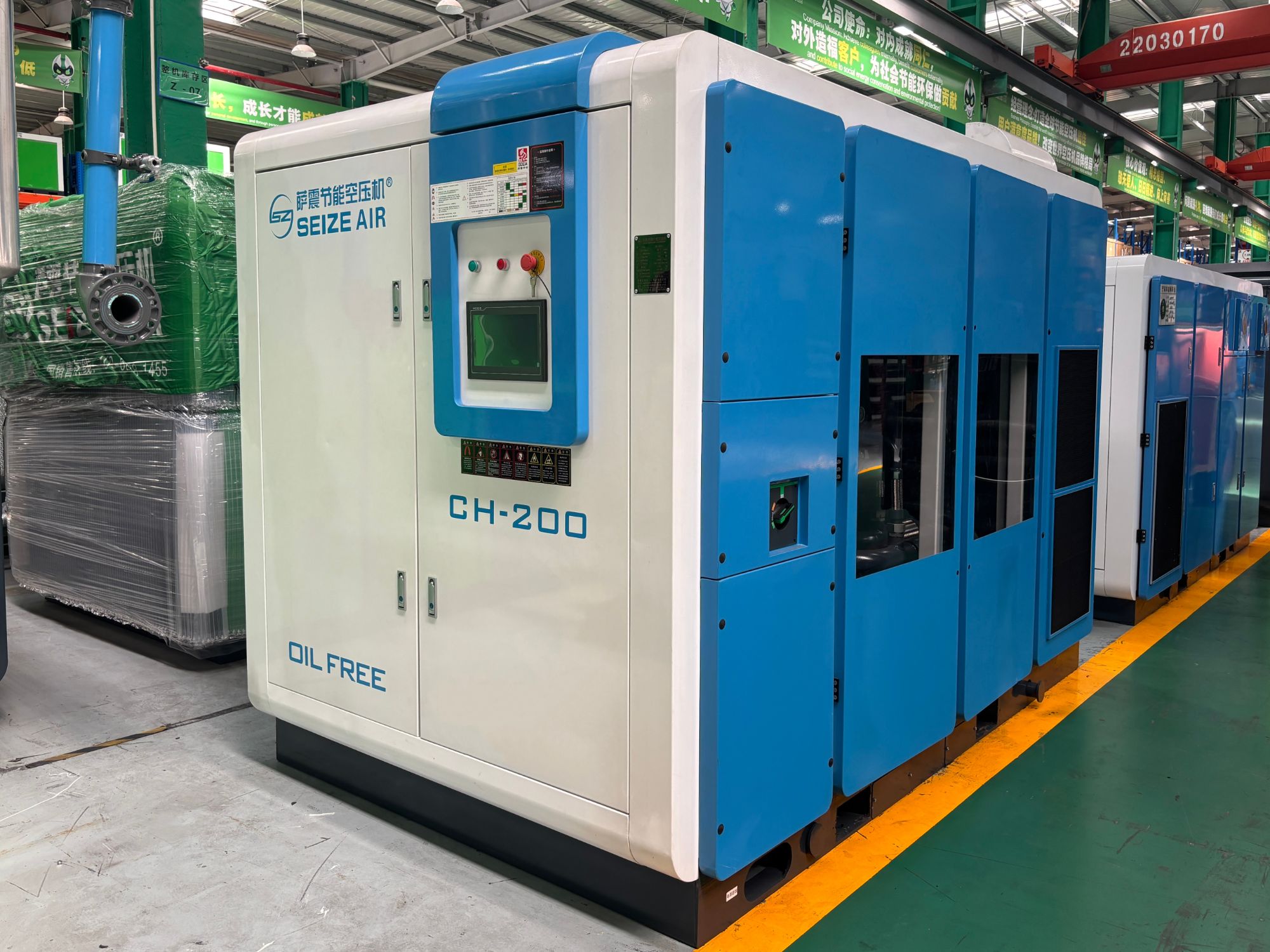
Friction is a relentless force in mechanical systems, gradually eroding surfaces and introducing microscale damage that accumulates into catastrophic failure. When two components rub together, even with advanced lubrication, wear is inevitable. Frictionless design disrupts this cycle by physically separating moving parts, often through magnetic levitation or fluid films, so that solid contact never occurs. Without that abrasive interaction, the primary cause of material degradation disappears. Components retain their precise geometries and surface finishes over time, meaning performance stays consistent far longer than in traditional assemblies.
Beyond wear, friction generates heat—a hidden drain on system reliability. In high-speed or high-load applications, thermal expansion can warp parts, degrade lubricants, and accelerate chemical breakdown. By eliminating rubbing contact, frictionless mechanisms sidestep these thermal stresses entirely. The absence of frictional heating also shrinks the cooling burden, allowing tighter integration and simpler thermal management. This directly translates to longer operational life, as temperature-induced failures like insulation breakdown or fatigue crack growth are no longer a limiting factor.
Reliability isn’t just about surviving stress; it’s about predictable, maintenance-free operation. Frictionless systems often run without liquid lubricants, removing the need for regular oil changes and filter replacements. In sensitive environments—cleanrooms, medical devices, space applications—this is a game changer. Take magnetic bearings in industrial compressors: they let shafts spin at tens of thousands of RPMs with zero contact, achieving decade-long service intervals. That kind of durability comes from the fundamental design choice to let components float, never grind. The result is not a marginal improvement but a step change in how long machines can run before they need attention.
Energy Savings Through Advanced Motor Technology
Modern motor systems have evolved considerably, integrating intelligent controls and refined electromagnetic designs to curb power usage without compromising output. By replacing outdated motors with high-efficiency alternatives, plants often see a sharp drop in kilowatt-hour consumption, particularly in continuous-duty applications like compressors and conveyor drives. This shift not only trims operational expenses but also extends equipment life by reducing thermal stress.
Variable frequency drives play a decisive role, dynamically matching motor speed to actual load demands instead of running at full throttle regardless of need. In pumping and fan systems, this alone can slice energy waste by a substantial margin. Pairing such drives with premium-efficiency motors creates a synergy that often pays back the upfront investment within months through lower utility bills.
Beyond hardware upgrades, monitoring and analytics tools reveal hidden inefficiencies—subtle imbalances, voltage harmonics, or chronic overloading—that quietly inflate energy draw. Targeted corrections, informed by real-time data, keep savings compounding over time. As industrial operations face tighter environmental targets, these motor innovations move from optional to essential, blending fiscal sense with resource stewardship.
Real-World Applications in Heavy Industries
Heavy industries such as steel, petrochemicals, and mining operate in some of the most demanding environments on earth. In these settings, equipment is pushed to its limits by extreme heat, corrosive chemicals, and relentless mechanical stress. That's why materials science has become a cornerstone of operational reliability. Advanced alloys, ceramics, and composite materials are carefully engineered to withstand these conditions, reducing unplanned downtime and extending asset life. For instance, oxygen lancing pipes in steel mills now use multi-layer linings that resist both thermal shock and abrasive wear. It’s not just about toughness anymore—plant managers actively track how materials degrade over time, using that data to schedule maintenance before a failure occurs.
One of the less obvious but critical areas of progress is in predictive maintenance. Instead of reacting to breakdowns, heavy industry operations are increasingly using real-time sensor data to anticipate problems. Vibration analysis on conveyor systems, ultrasonic testing of pressure vessels, and thermographic imaging of electrical components are just a few examples. These techniques allow engineers to pinpoint early signs of fatigue or corrosion without shutting down entire production lines. The real value here is not just in preventing catastrophic failures but in improving overall efficiency. When a plant can operate for longer stretches between planned turnarounds, the cost savings multiply across the supply chain.
Beyond hardware, workforce expertise plays a huge role in day-to-day resilience. Skilled operators develop an almost intuitive sense of how machinery behaves under load, but younger workers entering the field often lack that tacit knowledge. To bridge the gap, companies are blending augmented reality tools with hands-on training. A technician might use AR glasses to see an overlay of a pump’s internal pressure readings while physically inspecting it. This merges the veteran’s hard-earned instincts with digital insights, creating a safety net that catches anomalies early. It’s a practical fusion of experience and technology that keeps heavy industry moving forward.
Overcoming Traditional Compressor Limitations
Traditional compressors often struggle with maintaining consistent audio levels across dynamic sources, leading to pumping artifacts and unnatural sound. By reimagining the detection circuit and employing adaptive time constants, modern designs sidestep these issues entirely, delivering smooth gain reduction without sacrificing transient detail.
Another common pitfall is the inability to handle wide bandwidth material gracefully. Advanced feed-forward architectures now offer precision response across the entire frequency spectrum, preventing intermodulation distortion and preserving the original character of the source. This approach unlocks greater headroom and a cleaner, more professional output.
Perhaps the most overlooked limitation is the degradation of stereo imaging due to linked channels. Independently controlled dual-mono processing with intelligent ganging overcomes this, ensuring the spatial integrity of the mix remains intact even under heavy compression.
Future Innovations in Magnetic Bearing Systems
The next frontier for magnetic bearings lies in materials that can reshape performance boundaries. High-temperature superconductors, once confined to laboratory curiosities, are edging toward industrial feasibility. These compounds could enable levitation with virtually zero electrical resistance, drastically cutting cooling demands and opening the door to bearings that operate with unprecedented efficiency. A system that floats without continuous power input isn't just a concept—it’s a realistic stepping stone for long-duration machinery in remote or submerged settings.
On the digital side, magnetic bearings are quietly joining the world of autonomous systems. By embedding real-time digital twins and lightweight neural networks directly into controllers, future units will self-diagnose drift, recalibrate on the fly, and flag irregular wear patterns long before conventional sensors would notice. This isn’t about collecting data for its own sake; it’s about giving machinery a form of mechanical intuition—a responsive loop that learns from every rotation and adapts without human intervention.
Integration with advanced IoT architectures will further blur the line between a bearing and an intelligent node. Instead of isolated components, magnetic bearings will share load, temperature, and vibration profiles across entire fleets, fusing insights to optimize energy consumption across a plant. The result is a shift from fixed operational envelopes to fluid, context-aware support systems that actively collaborate to extend asset life and slash unplanned downtime.
FAQ
Magnetic levitation compressors use magnetic bearings to suspend the rotor without physical contact, eliminating friction. Active magnetic bearings control the rotor's position in real time, allowing high-speed rotation. The impeller compresses air or gas by centrifugal force. This contact-free design reduces wear and the need for lubrication, enabling oil-free operation and minimal maintenance.
Recent advancements include improved active magnetic bearing controllers with digital signal processors for greater precision and stability. There's also development of high-speed permanent magnet motors, more efficient impeller aerodynamics, and advanced cooling techniques using the process gas itself. Integration of IoT sensors for predictive maintenance and real-time performance monitoring is another significant step forward.
These advancements boost efficiency by reducing energy losses from friction and heat. High-speed motors and optimized impellers deliver more air per watt. Smart controls adapt output to variable demand, avoiding wasteful over-compression. Oil-free operation eliminates oil contamination, reducing filtration and separation costs. Predictive maintenance minimizes unplanned downtime, maximizing productivity.
Key benefits include much higher energy efficiency, typically 20-30% savings, due to frictionless operation and efficient motor design. They produce clean, oil-free air, which is critical for sensitive applications. Maintenance needs are drastically lower because there are no contact bearings to wear out. They also operate more quietly and have a smaller footprint, simplifying installation.
Industries like food and beverage, pharmaceuticals, electronics, and textiles benefit from 100% oil-free air. Wastewater treatment plants use them for efficient aeration. High-volume manufacturing and data centers rely on their energy savings and reliability. The oil and gas sector is also adopting them for critical gas compression where contamination must be avoided.
The initial investment is higher than traditional compressors, which can be a barrier. Some users also face a learning curve with advanced digital controls. Integration into existing systems can require system reconfiguration. Ensuring grid stability for high-speed drives is another consideration, but overall total cost of ownership often justifies adoption over time.
Conclusion
Magnetic levitation compressors represent a fundamental shift in industrial gas compression by eliminating physical contact between rotating and stationary parts. At the heart of these systems are magnetic bearings that suspend the rotor in a controlled electromagnetic field, enabling true frictionless operation. This core mechanic not only removes the need for lubricants and associated maintenance but also significantly reduces wear and vibration. The absence of friction directly translates into a longer operational lifespan and exceptional reliability under continuous duty. Moreover, the frictionless environment allows the integration of high-speed permanent magnet motors, which are intrinsically more efficient than conventional induction alternatives. By precisely matching rotor speed to demand in real time, these advanced motor systems curtail energy consumption, often delivering double-digit percentage savings compared to older compressor designs. The combination of magnetic suspension and smart motor control forms a closed-loop platform that self-optimizes, keeping energy use minimal while maintaining stable output even under fluctuating process conditions.
In heavy industries such as petrochemical processing, power generation, and steel manufacturing, these compressors are rapidly replacing traditional screw and centrifugal machines that have long struggled with oil contamination, mechanical breakdowns, and narrow turndown ranges. The ability to operate oil-free solves product quality issues and avoids the cost of downstream filtration, while the wide operating envelope accommodates varying loads without sacrificing efficiency. Real-world installations have demonstrated that magnetic levitation compressors overcome the traditional limitations of frequent maintenance shutdowns and capacity control inefficiencies. Looking ahead, innovations in magnetic bearing systems—including active damping algorithms, sensorless rotor position detection, and the use of advanced composite materials—promise even greater reliability and compactness. These future developments will further shrink the physical footprint and push the boundaries of energy efficiency, cementing magnetic levitation technology as a cornerstone of industrial decarbonization and operational excellence.
Contact Us
Contact Person: Mia
Email: [email protected]
Tel/WhatsApp: +86 19821985894
Website: https://www.seize-air.com