

Raised Toilet Seat Services: Enhancing Bathroom Safety and Comfort with Ease
2026-08-11
Bathroom safety often goes overlooked until a close call or a fall brings it to the forefront. For individuals with limited mobility, arthritis, or post-surgery restrictions, even the simple act of using the toilet can become a daily struggle. Raised toilet seats offer a straightforward yet transformative solution, providing the extra height needed to sit down and stand up with confidence. At Suncare, we understand that true comfort stems from products that blend practical design with compassionate care. Our raised toilet seat services are tailored to help you or your loved ones regain independence and dignity in the bathroom. Join us as we explore how this modest bathroom upgrade can dramatically enhance safety and comfort—without sacrificing style or ease.
Understanding Raised Toilet Seats and Their Role in Daily Safety
Raised toilet seats are a simple yet incredibly effective tool for anyone who finds it difficult to lower themselves onto a standard-height toilet. Often recommended for seniors, people recovering from hip or knee surgery, or those with arthritis or balance issues, these seats add a few extra inches of height. This small change makes a big difference, reducing the distance you need to bend and making the bathroom a less strenuous space.
The daily safety benefits are hard to overstate. For someone with limited mobility, the act of sitting down and standing up can be a moment of real risk. A raised seat provides a more stable and controlled motion, lessening the chance of falls or slips. It also minimizes strain on joints and muscles, meaning less pain and greater independence throughout the day.
When choosing a raised toilet seat, it's important to look beyond just the height. Features like secure locking mechanisms, padded armrests, and a design that fits your specific toilet shape can greatly improve both safety and comfort. A well-chosen seat becomes a seamless part of the daily routine, offering peace of mind without drawing attention to the need for assistance.
Key Features That Make a Raised Toilet Seat Truly Comfortable
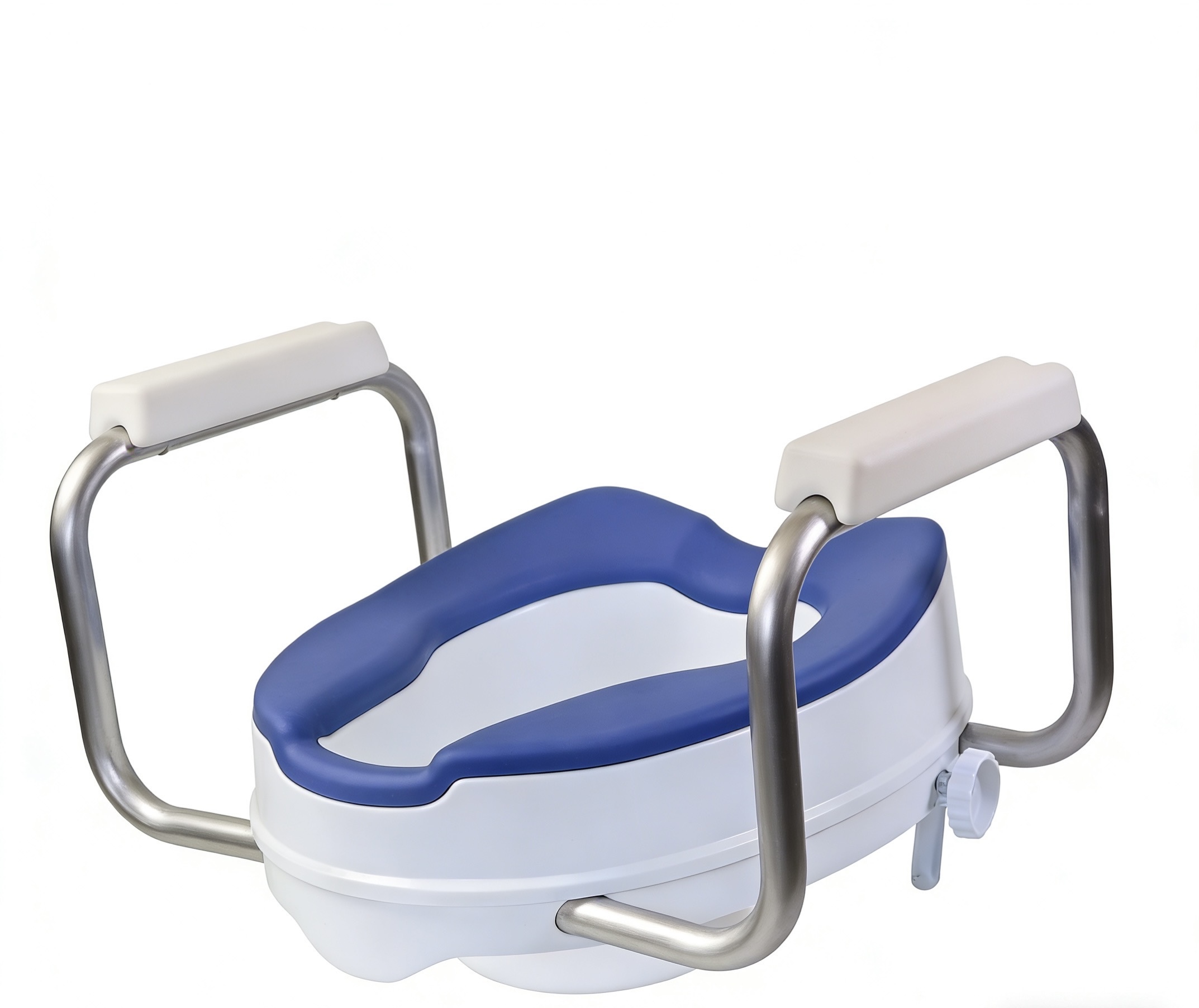
A raised toilet seat that truly delivers on comfort starts with the kind of contouring that respects your body’s natural shape. Rather than a flat, one-size-fits-all surface, the most thoughtful designs incorporate a gentle slope toward the front and a slightly dished center, which helps distribute weight more evenly and reduces pressure points. This ergonomic attention means you can sit without constantly shifting, even during longer periods of use, making the experience feel more like settling into a supportive chair than a medical device.
The material choice plays an equally critical role—and it’s not just about softness. High-density foam padding wrapped in a resilient vinyl-free cover, like polyurethane, strikes a rare balance: it cushions without sagging, stays cool against the skin, and resists the clamminess that plagues cheaper vinyl alternatives. This type of cover also maintains its flexibility in cooler bathrooms, so you’re never met with a jarring cold touch first thing in the morning. When the surface remains inviting and stable over time, it completely changes how you perceive the seat.
Beyond the direct sitting surface, the sense of security that comes from intelligent attachment is where everyday comfort truly becomes effortless. A seat that locks onto the toilet bowl with a tool-free, clamp-based system eliminates any hint of wobble or lateral slide—because even a millimeter of unexpected movement undermines relaxation. Some premium options add subtle features like integrated handgrips that feel natural under your palms or a slight wing-like shape at the back that supports the hips without creating bulk. It’s this fusion of steady mounting and intuitive support that lets you get on and off with a fluidity that doesn’t remind you of why you’re using it in the first place.
Choosing the Right Height and Design for Different Mobility Needs
Finding the ideal walker height isn't just about measurements—it's about how your body naturally aligns during movement. A handle that sits at wrist level when your arms are relaxed by your sides tends to reduce shoulder strain and encourage a more upright posture. Many people overlook the subtle difference that even half an inch can make in their gait cycle, so it's worth spending extra time adjusting and test-walking before settling on a final setting.
The walker's frame design directly influences how effortlessly you navigate tight spaces or uneven ground. A narrower profile with a slight inward curve makes doorways and hallways far less frustrating, while a wider base offers additional stability for those who feel unsteady when shifting weight from side to side. Folding mechanisms vary widely too—some click into place with a one-handed motion, which can be a game-changer for people with limited grip strength or dexterity in their fingers.
Wheels and glide pads often determine both indoor smoothness and outdoor capability. Larger rear wheels paired with swiveling front casters roll more easily over thresholds and pavement, but they may reduce the walker's grounded feel on polished floors. For mixed-use scenarios, a hybrid setup with ski-like glides on the back legs often strikes a practical balance between slide assistance and controlled braking, especially when transitioning from carpet to tile without lifting the frame.
Installation and Maintenance Tips for Long-Term Reliability
Getting the installation right the first time saves headaches later. Start by checking that all mounting surfaces are clean, level, and free of debris. Small alignment errors during setup can lead to uneven wear and premature failure, so take the extra few minutes to use a calibrated level and torque wrench where specified. Document the initial settings—bolt tensions, baseline measurements, operating temperatures—so you have a reference point for future inspections. This simple habit makes it easier to spot gradual changes before they become serious problems.
Regular upkeep doesn’t need to be complicated, but it does need to be consistent. Create a checklist that covers the essentials: inspect fasteners for looseness, look for signs of corrosion or cracking, and clean filters or vents that might restrict airflow. Lubrication points often get overlooked, so mark them clearly and stick to the recommended grease types and intervals. If your equipment operates in a dusty or high-vibration environment, shorten the inspection cycles accordingly. A quick walk-around with a flashlight and a notepad can reveal issues like unusual noise, heat buildup, or minor leaks long before they cause downtime.
When it’s time for repairs, use parts that meet or exceed the original specifications. Substituting a cheaper bearing or seal might work temporarily, but it often accelerates wear on surrounding components. After any repair, run a brief test cycle and recheck critical measurements to confirm everything settled correctly. Keep a simple logbook—digital or paper—that tracks what was done and when. Over time, those notes become a troubleshooting goldmine, helping you refine your maintenance schedule and avoid repeating past mistakes.
How Professional Assessment Can Personalize Your Bathroom Setup
Every household runs on its own rhythm, and a bathroom only works when it actually fits the people using it. A professional assessment starts with observing how you move through the space in the morning rush or slow evening unwind—where you reach for towels, how high a counter should really be, and what kind of storage you instinctively look for. These aren't generic checklist items; they're the small, specific details that turn a cookie-cutter layout into a room that feels like it was built around your life.
Beyond the basics, a trained eye can merge function with your personal style without sacrificing practicality. Maybe you love the look of open shelving but can't stand dust; a consultant might suggest sleek, closed cabinets that mimic that airy feel while keeping toiletries hidden. Or perhaps your household includes someone with mobility issues, and subtle changes—such as a slightly shifted grab bar or a curbless shower—get integrated so seamlessly you barely notice them. The goal is a space that handles daily demands beautifully while reflecting your taste, not a showroom replica.
Finally, professional insight accounts for the future in a way we often overlook when planning alone. The right layout can adapt as your needs evolve, whether that means planning for aging in place or making it easy to update fixtures later without tearing out walls. This forward-thinking layer of personalization means your bathroom isn't just for today—it stays comfortable, safe, and yours for years to come.
Real-Life Benefits: Restoring Independence and Peace of Mind
There’s a quiet kind of confidence that comes back when everyday tasks stop feeling like hurdles. Something as simple as getting dressed without frustration, or managing personal care on your own timeline, rebuilds more than just routine—it restores a sense of self. The smallest victories, like a steady grip on a coffee mug or navigating the bathroom safely, become reminders that life isn’t about what’s been lost but what’s still fully within reach.
For caregivers, that shift in ability often brings an unexpected gift: the pause in constant worry. When a loved one can safely occupy themselves, even for short stretches, the emotional weight lifts just enough to breathe easier. It’s not about eliminating every risk—it’s about creating enough space for both people to feel steady again. Moments of genuine connection replace the tension of round-the-clock vigilance, and households rediscover a rhythm that doesn’t revolve solely around caution.
Beyond the practical gains, there’s a deep reassurance that takes root when mobility and daily habits become manageable again. Trusting your own body, making choices without second-guessing, or simply walking into a room without scanning for obstacles—these shifts add up to a quieter mind. The real benefit isn’t just doing things independently; it’s feeling like yourself while you do them.
FAQ
It typically covers an in-home assessment to understand your specific needs, guidance on choosing the right seat height and style, professional installation to ensure stability, and often a follow-up to check comfort and safety. Some services also offer temporary rentals for short-term recovery.
It reduces the distance you need to bend, so there's less strain on joints and muscles. Most models come with secure armrests or locking mechanisms that prevent slips and falls, giving you more confidence when transferring on and off the toilet.
People recovering from hip or knee surgeries, seniors wanting to age in place, and those with chronic conditions like arthritis or multiple sclerosis. Really, anyone struggling with balance or strength in the bathroom can benefit.
Not at all—a good service will handle everything. Installation is usually quick, requires no permanent bathroom changes, and the seat can be attached to your existing toilet. Many providers offer same-day or next-day appointments.
Yes, modern options include seats with padded finishes, sleek designs, and neutral colors that won't stand out. You can also pick features like removable arms or extra width depending on your preference.
Many companies offer short-term rental programs. They'll deliver, install, and then pick up the equipment once you're done, so you don't have to buy something you'll only use temporarily.
Look for providers that offer free consultations, transparent pricing, and good reviews mentioning prompt response times and respectful technicians. A trustworthy service will listen to your concerns and never push unnecessary add-ons.
Conclusion
Raised toilet seat services go beyond simply providing a piece of equipment—they deliver a tailored approach to bathroom safety that directly supports daily independence. At the heart of this service is a thorough understanding of how the right seat height and design reduce strain on joints, minimize fall risks, and make sitting and standing more manageable for individuals with varying mobility challenges. Features like padded armrests, secure locking mechanisms, and contoured seating surfaces aren’t just add-ons; they’re carefully chosen to match real user needs, ensuring comfort isn’t sacrificed for functionality. Professional assessment plays a pivotal role here, because a one-size-fits-all solution rarely works. An expert can evaluate the bathroom layout, consider the user’s physical limitations, and recommend a model—whether portable, fixed, or with adjustable legs—that integrates seamlessly into the existing space. This personalized guidance helps families avoid costly trial-and-error and creates a setup that truly fits the person, not just the room.
Beyond the initial selection, ongoing reliability and emotional well-being come from proper installation and simple maintenance routines. A securely installed seat with corrosion-resistant hardware offers long-term stability, and following basic care like regular cleaning and checking for wear keeps it functioning safely for years. But what often gets overlooked is the profound impact on daily life: the restoration of privacy and dignity when someone can use the bathroom without assistance, the peace of mind that families gain knowing a fall is far less likely, and the quiet confidence that comes from reclaiming a routine most take for granted. These services don’t just modify a bathroom—they reshape how people experience their homes, turning a potentially hazardous space into a place of comfort and autonomy. In the end, it’s about far more than hardware; it’s about preserving a sense of self in the most personal room of the house.
Contact Us
Contact Person: Frank Chan
Email: [email protected]
Tel/WhatsApp: 0086-13924529088
Website: https://www.suncare-medical.com