

OEM Ultrasonic Cavitation Machine Guide to Custom Manufacturing for Your Brand
2026-08-07
Bringing your own brand of ultrasonic cavitation machines to the market can feel like navigating uncharted territory. You need a partner who not only understands the technology inside out but also aligns with your brand vision. That’s where Omeina steps in—turning complex OEM processes into a seamless journey from concept to custom-manufactured device. In this guide, we’ll walk you through what truly matters when selecting a manufacturing partner, so you can launch with confidence and stand out in the beauty tech space.
How Ultrasonic Cavitation Works and Why It’s a Game Changer for Body Contouring
Ultrasonic cavitation harnesses low-frequency sound waves to target stubborn fat cells without surgery. A handheld device sends these waves deep into the subcutaneous layer, where they create micro-bubbles around fat deposits. As the bubbles expand and implode, they disrupt fat cell membranes, releasing triglycerides that the body naturally metabolizes. Because the process only impacts fat cells and spares surrounding tissues, it offers a precise, non-invasive alternative to liposuction.
What sets cavitation apart is how the body flushes out the liquefied fat. After treatment, the lymphatic and circulatory systems step in, processing the released lipids over a few days. Drinking water and light exercise can speed this up, but most people notice gradual tightening within weeks. The lack of downtime means you can squeeze a session into a lunch break and head right back to work—a convenience that traditional contouring methods simply can’t match.
The real game changer lies in its ability to reshape areas that diet and exercise often miss. Love handles, upper arms, and inner thighs respond well, as ultrasound energy breaks down fat while also stimulating collagen production for firmer skin. With consistent sessions, patients see a smoother silhouette that looks natural, not artificially cinched. It’s a practical solution for those who want noticeable changes without needles, scars, or recovery time.
Key Questions to Ask Before Selecting an OEM Partner for Your Cavitation Device
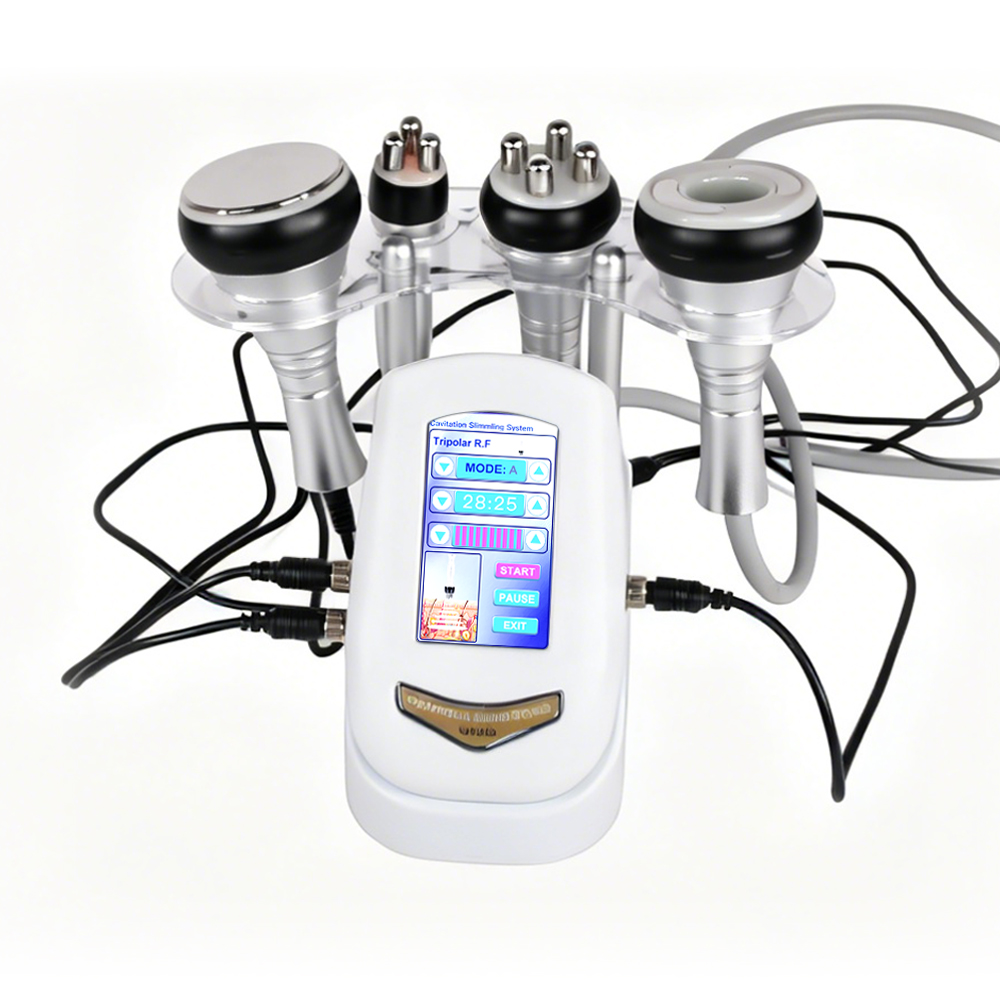
Finding the right manufacturing partner goes beyond a checklist of capabilities. You need someone who understands the nuanced physics behind cavitation—whether it's ultrasonic or hydrodynamic—and how that translates into real-world performance. Ask pointed questions about their experience with acoustic streaming, pressure wave dynamics, and material fatigue over time. If their answers only scratch the surface, they might not be the right fit for a device where precision directly impacts safety and efficacy.
Manufacturing consistency is another area where many relationships fall short. Instead of generic quality control queries, dig into how they handle batch-to-batch variability in transducer assemblies or fluid pathways. A top-tier OEM will have historical data on failure rates and be transparent about the tolerances they can hold. They should also be able to walk you through their process for scaling production without introducing unexpected variations—because what works at prototype volume rarely translates perfectly to full-scale manufacturing without careful process engineering.
Finally, consider the hidden costs of organizational misalignment. Beyond pricing and lead times, evaluate their communication cadence, change order protocols, and how they prioritize your project when unexpected challenges arise. A partner that treats your device as a transactional order will never invest the creative problem-solving necessary for cavitation technologies, where minor adjustments can dramatically alter output. Look for signs of genuine curiosity about your application and a track record of collaborative design iterations rather than rigid adherence to initial specs.
Customization Possibilities: Shaping Your Brand’s Unique Cavitation Machine
When you choose to bring a cavitation machine under your own brand, the real advantage lies in making it unmistakably yours. From the outer shell color to the interface layout, every detail can mirror your brand’s personality. You might opt for a matte pastel finish that appeals to boutique spa clients, or a sleek metallic look that signals high-tech precision. Even the placement of your logo and the style of the control buttons contribute to a device that feels like an extension of your aesthetic, not just another off-the-shelf tool.
Beyond the visual layer, functional customization lets you stand out where it counts. Decide on the treatment heads your machine offers—perhaps you want a dedicated body sculpting tip, a facial rejuvenation adapter, or a combination that aligns with your specialty services. You can also tailor the software settings, such as preloaded treatment protocols or power adjustment curves, so that practitioners using your device encounter a workflow that feels intuitive to your training methods. This kind of thoughtful tweaking turns a standard piece of equipment into a performer that hits exactly the right notes for your clientele.
The packaging and unboxing experience are often overlooked, but they’re powerful extensions of your brand story. A custom-designed carrying case, printed instructional inserts that speak in your house tone, and even branded gel bottles included in the box—these touches reinforce professionalism and care. When clients see your machine in a studio, the cohesive look from machine to consumables suggests a well-curated system, not a scattered assortment of components. That subtle impression can be what makes them choose your brand over a competitor’s.
Navigating Regulatory and Safety Standards for Ultrasonic Cavitation Equipment
Bringing ultrasonic cavitation devices to market isn’t just about proving they work—it’s about threading through a maze of regional rules and safety benchmarks. In the United States, the FDA classifies these systems as Class II medical devices, which means you need to demonstrate substantial equivalence to a predicate device via the 510(k) pathway unless you’re falling under very specific exemptions. Meanwhile, in Europe, the Medical Device Regulation (MDR) demands rigorous clinical evaluation and a quality management system aligned with ISO 13485. Many newcomers underestimate the time and documentation involved, especially when it comes to proving biocompatibility for transducer materials and ensuring electrical safety per IEC 60601-1.
On the practical side, clinics and spas face daily compliance questions that manuals don’t always answer clearly. For instance, how often should the handpiece be calibrated to maintain energy output within safe limits? What’s the protocol if the unit overheats during a session? These are real concerns that bridge the gap between lab testing and everyday use. Leading manufacturers now embed real-time power monitoring and automatic shutoffs, but operators still need training to recognize warning signs—a requirement often audited during inspections. Moreover, labeling and user instructions must be crystal clear about contraindications, such as pregnancies, implanted electronic devices, or areas with scar tissue.
Globally, there’s a growing push to unify safety thresholds for non-invasive body contouring, yet local interpretations still vary widely. Countries like South Korea and Brazil have their own notification procedures that can trip up importers. Staying updated isn’t a one-and-done task; post-market surveillance and adverse event reporting are now mandatory in many jurisdictions, forcing companies to maintain active vigilance long after the first sale. The smartest approach is to embed regulatory thinking right from the prototyping stage—choosing certified components, planning for audits, and designing workflows that log every parameter. It’s not the flashy side of the business, but it’s what keeps devices in the treatment room and out of legal trouble.
From Prototype to Production: Streamlining the Manufacturing Timeline
Moving from a prototype to full-scale production is rarely a straight path. The early iterations that wowed investors often hide hurdles that only surface when you try to replicate the design consistently. Tightening this timeline starts with a candid assessment of which prototype shortcuts—like 3D-printed brackets or hand-soldered joints—will actually become liability in volume manufacturing. By involving production engineers during the prototyping phase, companies can flag these issues early, avoiding the costly redesign loops that often ambush unwary teams.
One underappreciated accelerator is designing the supply chain in tandem with the product itself. Instead of locking in a bill of materials after the prototype is “frozen,” smart teams start vetting component lead times and supplier capacity while still tweaking the design. This parallel work means you’re not waiting 12 weeks for a custom gear after the design is finalized; you’ve already qualified an alternate with a shorter lead time. It’s a simple shift in sequence, but it can slice months off the transition.
Finally, scrap the myth of the perfect handoff. Too many timelines balloon because teams treat the manufacturing transfer as a single, climactic event. The most efficient transitions happen when builders, designers, and line operators overlap their work in controlled, iterative cycles. Run a pilot build with 50 units, not 5,000—and then fix what breaks, not just once, but in several short sprints. This rhythm uncovers invisible assembly headaches and gives the production crew genuine ownership before the pressure of a full launch hits. The goal isn’t a flawless first run; it’s a fast learning curve that flattens the path to consistent output.
Building a Brand That Stands Out: Marketing and Packaging Insights
In crowded shelves and endless digital feeds, a brand’s survival hinges on its ability to be remembered, not just seen. True distinctiveness is crafted through a story that resonates, a visual language that arrests the eye, and an experience that lingers long after the unboxing. Marketing is no longer about shouting the loudest but about whispering the most compelling narrative directly into the ears of those who actually care. It demands a deep understanding of your audience’s unspoken desires, then reflecting them back in a way that feels like a discovery, not an advertisement.
Packaging plays the silent salesperson in this dance. It’s the tactile first date between your product and its potential owner. The material choices, the weight of the box, the sound it makes when opened—these sensory details communicate value more powerfully than any tagline. A package that feels thoughtful and intentional can transform a mundane purchase into a cherished ritual. It’s about creating a moment of delight that compels them to share it, turning customers into storytellers for your brand.
To stand out, coherence is key. Every touchpoint, from the Instagram post to the tissue paper in the box, must sing the same song. Authenticity becomes your currency; people can spot a fake from a mile away. Lean into your quirks, celebrate your origins, and don’t be afraid to polarize. A brand that tries to please everyone ends up connecting with no one. When your marketing feels like a conversation and your packaging feels like a gift, you’re not just selling a product—you’re building a world they want to live in.
FAQ
It's a body contouring device that uses low-frequency ultrasound to target fat cells. When we say OEM, we mean the machine is manufactured by one company but branded and sold by another. You get the core technology without having to build it from scratch.
You typically start by choosing a base model and then work with the manufacturer to modify features like the outer shell, interface language, or handle design. They produce the units with your specifications, and you can even request unique colorways or packaging.
Beyond price, check their track record with similar devices, how responsive they are during sampling, and whether they hold relevant safety certifications. A factory visit or a video tour can reveal a lot about their production standards.
Absolutely. Most manufacturers offer silk-screen printing or laser engraving on the handpiece and main unit. Some can even mold your logo directly into the plastic housing if your order volume justifies the tooling cost.
You can usually adjust the output power range, add more therapy modes, choose a different display type, or include extras like a built-in skin tightening function. The operating software can be tailored to show your brand name on startup as well.
After finalizing samples, production might take 30 to 45 days, plus shipping time. If you need heavy customization like a new mold, add another 15 to 20 days. It's wise to budget a full two months before you expect to have inventory in hand.
That depends on your target market. For the EU, you'll want CE marking; for the US, FDA clearance is often required. The manufacturer should be able to provide existing certifications for the base device, but you may need to handle local registration yourself.
MOQs vary widely. Some factories will do as few as 10 units for simple logo placement, but if you need a fully custom shell, expect to order at least 100 to 200 pieces to make the mold investment worthwhile.
Conclusion
Understanding ultrasonic cavitation is essential before diving into OEM partnerships. This technology uses low-frequency sound waves to disrupt fat cells without harming surrounding tissues, offering a non-invasive body contouring solution that clients love. Its ability to deliver visible results with minimal downtime has made it a staple in aesthetic clinics. When seeking an OEM manufacturer, it's critical to ask about their engineering expertise, quality control processes, and experience with similar devices. Not every factory can produce a machine that balances efficacy, safety, and durability. Equally important is how you can customize the device to reflect your brand's identity—from exterior design and interface to treatment handpieces and software features. These choices define your product's value proposition in a competitive market.
Regulatory compliance cannot be an afterthought. CE, FDA, and other certifications are mandatory to enter many markets, so your OEM partner should have a proven track record with testing and documentation. The journey from prototype to final production involves iterative sampling, rigorous performance testing, and clear communication to avoid delays. A streamlined timeline requires upfront agreement on milestones and quality benchmarks. Beyond manufacturing, building a standout brand demands cohesive packaging and marketing that highlight your machine's unique benefits. Invest in professional branding materials and educational content that resonate with end-users. By combining a reliable OEM supply with strategic branding, you create a product that not only meets industry standards but also captures consumer trust and loyalty.
Contact Us
Contact Person: Tina Liu
Email: [email protected]
Tel/WhatsApp: 8618681405932
Website: https://www.omeinabeauty.com/