

OEM Pasteurizer Maker: Crafting Custom Solutions for Safe Dairy Processing
2026-07-12
When it comes to dairy safety, one size doesn't fit all—and that's where INTOP Machinery steps in. As a seasoned OEM pasteurizer maker, we don't just build equipment; we engineer custom solutions that align with your unique production needs. In this post, we'll explore how tailored pasteurization systems can elevate product quality, streamline operations, and give you a competitive edge in the ever-evolving dairy industry.
Tailored Pasteurization Systems for Niche Dairy Needs
Small-batch dairy producers, from artisan cheesemakers to farmstead creameries, often face a mismatch between their unique production scales and the rigid designs of standard pasteurizers. Off-the-shelf equipment can force compromises in flavor development, texture consistency, or throughput—pushing some to either over-invest in oversized machinery or risk inconsistent results with manual methods. Tailored pasteurization systems close this gap by matching heating and cooling profiles, batch sizes, and holding tube geometries to the specific viscosity and fat content of products like sheep milk yogurt, goat milk kefir, or high-butterfat gelato bases. Rather than adapting the product to the machine, the machinery adapts to the product, preserving delicate aromas while ensuring pathogen reduction.
Custom systems also open doors to processes that mainstream dairy equipment overlooks. For instance, ultra-gentle, low-temperature long-time cycles can be fine-tuned for raw-milk cheeses that rely on native microflora, maintaining legal safety without stripping character. Rapid escalation and quenching profiles benefit high-protein, low-sugar formulations that tend to foul standard plate heat exchangers. Beyond the thermal dynamics, physical layout matters just as much: a compact, wheel-mounted unit with quick-disconnect fittings can serve a multi-purpose creamery where space is at a premium, allowing one pasteurizer to service vats for cheese, ice cream, and bottled fluid milk with minimal changeover. This modular thinking keeps small operations nimble without sacrificing precision.
Integration with real-time monitoring and data logging layers further refines the process for niche producers who chase consistency across small, exclusive batches. A custom control panel can store dozens of recipes, each recallable with a single touch, and trigger alerts when temperature curves drift outside a narrow band—critical for products like colostrum supplements or probiotic-treated creams. Some setups even incorporate gentle mechanical agitation during heating to prevent layer separation in high-fat, non-homogenized mixes. By treating pasteurization as a tailored step rather than a one-size-fits-all requirement, these systems let dairy artisans focus on the craft, confident that the safety backbone of their process won't blunt the edges that make their products distinct.
From Concept to Commissioning: Your Pasteurizer, Our Expertise
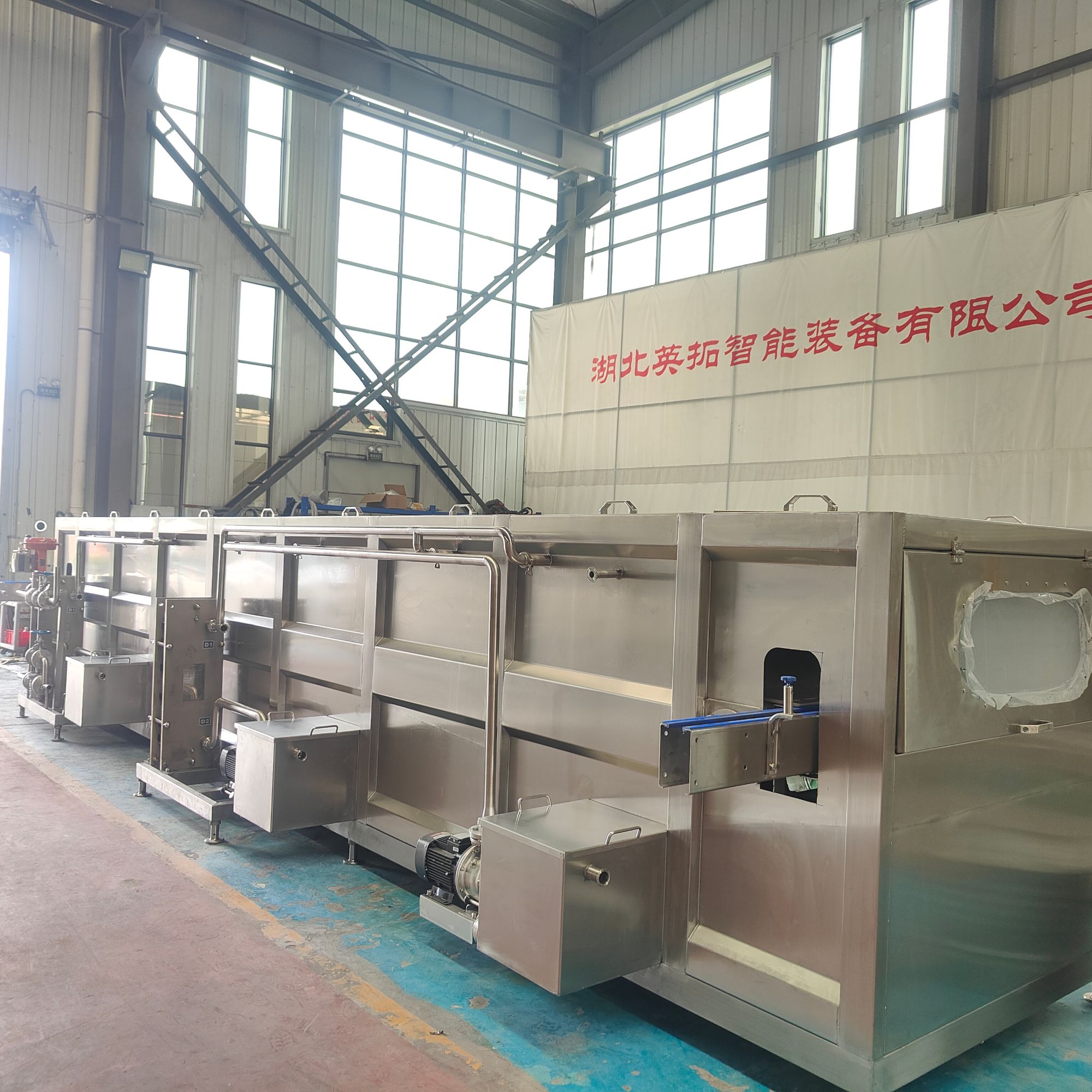
Every pasteurizer we deliver carries the weight of our hands-on involvement—from the earliest design sketches to the moment it hums to life on your production floor. We don't believe in off-the-shelf answers when it comes to food safety and product quality. Instead, our engineers sit down with your team, study your workflow, and shape a pasteurization system that fits not just your technical specs, but the rhythm of your entire operation.
Commissioning day isn't a handover; it's a shared milestone. Our specialists remain on-site until every pump, plate, and sensor is dialed in, and your operators feel confident managing the process. We sweat the small stuff—like fine-tuning hold times to shave off seconds without compromising lethality, or adjusting flow paths to cut down on product loss during changeovers. That real-world fine-tuning is what turns a robust machine into a cornerstone of your daily output.
Long after the commissioning report is signed, our footprint stays with you. Through preventive maintenance visits, remote diagnostics, and a genuine curiosity about how we can improve, we make your uptime our business. When your pasteurizer runs smoothly, we know we've done more than engineer equipment—we've earned a place in your production story.
Beyond Standard: Engineering Milk Safety with Precision
In an industry where trust is poured into every glass, conventional safety measures only scratch the surface. Precision engineering redefines milk safety by shifting from reactive checks to proactive, data-driven safeguards. Rather than waiting for contamination to appear in samples, advanced sensors and real-time analytics monitor every critical point—from the milking parlor to the packaging line. This means temperature anomalies, microbial risks, and chemical residues are detected and resolved before they ever reach a consumer. It’s a deliberate design that weaves safety into the very fabric of production, making each pint a testament to meticulous oversight.
The heart of this approach lies in systems that think ahead. Smart pasteurization units self-adjust to maintain optimal heat treatment, while inline spectrometers scan for adulterants with near-perfect accuracy. Meanwhile, blockchain-backed traceability creates an unbreakable chain of custody, allowing every batch to speak for its journey. These aren’t just incremental upgrades; they’re a fundamental reimagining of how safety is engineered. By embedding intelligence into equipment and processes, dairies can anticipate failure points, minimize human error, and ensure consistency that static testing could never achieve.
What truly sets this apart is the shift from compliance to commitment. Instead of checking boxes for regulators, producers embrace safety as a dynamic, evolving target. Predictive algorithms analyze patterns across thousands of data points, flagging risks that human inspectors might overlook. The result is not just milk that meets standards—it exceeds them, with a resilience that adapts to new threats. This precision-driven philosophy turns safety into a competitive advantage, one where every step is measured, managed, and mastered. It’s milk safety engineered for a world that demands more than good enough.
Seamless Integration into Your Dairy Production Line
Bringing new equipment into an established dairy line often feels like forcing a puzzle piece that almost—but never quite—fits. We've taken a different approach. Our systems are engineered to slot directly into your existing layout, minimizing downtime and sidestepping the usual cascade of adjustments that eat into production hours. Whether you're running pasteurizers, separators, or filling stations, the connections are straightforward, and the control interfaces speak the same language as your current setup. This isn't about retrofitting an alien machine; it's about extending your operation with a component that feels like it was always there.
The real test of integration comes during throughput shifts and routine changeovers. You won't find yourself re-engineering conveyor heights or rewriting PLC logic just to maintain flow. We designed the interfaces to be adaptive—mechanical alignment uses standard dairy-grade stainless steel fittings with adjustable mounting, while the software syncs via common industrial protocols. This means your line can switch between whole milk, skim, and flavored products without a technician on standby. The result is a production rhythm that stays smooth, even when product specs change mid-shift.
Maintenance teams often dread the arrival of a new system because of the hidden complexities that surface weeks later. Here, the support structure is built around transparency. Every module comes with clear documentation, and our on-site commissioning mirrors your sanitation schedule, not the other way around. Spare parts follow standard numbering, and wear items are cross-referenced with common suppliers. It's this behind-the-scenes coherence that keeps your line humming—no secret adjustments, no proprietary surprises, just a quiet, reliable addition to your daily throughput.
Global Standards, Local Support: Dairy Safety Without Borders
Ensuring dairy safety across international markets requires more than just meeting baseline regulations—it demands a framework that harmonizes rigorous global protocols with on-the-ground expertise. By integrating universal benchmarks like Codex Alimentarius guidelines with tailored implementation strategies, producers can maintain consistent quality while respecting regional nuances. This approach not only mitigates risks but also fosters trust among consumers who expect uncompromising safety wherever the product originates.
Local support teams bridge the gap between lofty standards and day-to-day operations, offering audits, training, and real-time troubleshooting that reflect both local challenges and international best practices. When a dairy facility in one country can quickly adapt to new microbial testing methods because of hands-on guidance from experts familiar with the region’s infrastructure, the result is a seamless safety net that feels neither distant nor bureaucratic. This human-centered model turns compliance into a collaborative effort rather than a checklist exercise.
Borderless safety also means creating responsive supply chains where traceability and accountability transcend national lines. Advanced data sharing platforms, coupled with culturally aware communication, enable swift action when issues arise—whether it’s a contamination event or a labeling discrepancy. Ultimately, protecting public health depends on this fusion of wide-angle oversight and localized agility, proving that the most resilient safety systems are those built on shared knowledge and mutual commitment, not just paperwork.
Innovative Heat Exchange Designs for Pure, Safe Milk
Heat exchangers play a vital role in milk processing, but traditional systems often struggle with issues like fouling, temperature inconsistencies, and energy waste. Modern designs take a different approach, focusing on surfaces that resist protein adhesion and maintain uniform heat distribution. By using dimpled or corrugated plate geometries, these exchangers create gentle turbulence that prevents milk from scorching while still achieving precise pasteurization temperatures. The result is a more reliable process that keeps the milk's nutritional integrity intact.
Another overlooked aspect is how heat exchanger design impacts cleaning efficiency. Tight dead zones and complex flow paths can harbor bacteria, compromising safety. Newer models feature fully drainable, self-emptying channels and smoother welds that minimize residue buildup. Some even incorporate hygienic sensors directly into the flow path to monitor temperature and pressure in real time, enabling quick adjustments and thorough clean-in-place cycles without disassembly.
Energy recovery is also being woven into these systems in smarter ways. Regenerative designs capture warmth from already-pasteurized milk and use it to pre-heat incoming raw milk, cutting energy consumption while keeping the process gentle. This closed-loop thinking not only preserves milk quality but also reduces the plant's environmental footprint, making safety and sustainability go hand in hand.
FAQ
Standard units often force you to adjust your process around their limitations. With a custom solution, every component—holding tube length, flow rate, heating and cooling stages—matches your exact milk type, volume, and production goals. That means less product stress, better flavor retention, and lower energy use because the system doesn’t over‑process during small batches or bottleneck during peak loads.
We build around the specific regulations you need to follow, whether that’s 3‑A, EHEDG, or USDA guidelines. Our engineers integrate fail‑safe controls that shut down if temperatures drift, use sanitary welds instead of threaded connections, and design for clean‑in‑place access. Every machine is wet‑tested with water and then with product before it ships, so we catch any safety gaps before installation.
The range is broad: milk, cream, yogurt, ice cream mix, cheese milk, lactose‑free products, and even high‑viscosity cultured drinks. We tailor the plate or tubular heat exchanger configuration to your product’s sensitivity. For example, a yogurt base gets a gentle heating ramp to avoid denaturing cultures prematurely, while ice cream mix gets a heavy‑duty scraper surface if it’s high‑fat.
First, we map your production flow, including upstream raw milk intake and downstream filling lines. Then our thermal engineer calculates the precise time‑temperature profile your product needs. You get a 3D model showing how the pasteurizer integrates with existing tanks and piping. After approval, we fabricate, test, and ship. Our team stays on‑site during commissioning until you hit your target throughput and shelf‑life specs.
A standard supplier sells you a box and moves on. As an OEM, we become your engineering partner. That means we can source specialized components, brand the machine with your logo, and tweak controls for your proprietary recipes. Later, if you need a second line for a new product, we already understand your facility and can mirror the controls, saving you retraining time and spare parts headaches.
We don’t disappear after startup. You have a direct line to the engineer who designed your pasteurizer. We offer remote troubleshooting, annual maintenance visits, and quick shipment of wear parts. Because we document every custom detail, we can overnight a gasket set or a PLC module that fits your specific serial number, not a generic revision.
We design for modular expansion. Your first pasteurizer might handle 500 liters per hour, but we leave space in the frame and PLC for extra sections. When you’re ready, we add another regeneration loop or a longer holding tube without replacing the whole unit. Financing options and step‑by‑step capacity plans keep capital costs predictable, so you grow without over‑investing early.
Heat regeneration is standard—we typically recover up to 94% of energy from pasteurized product to pre‑heat incoming raw milk. Variable‑speed pumps match flow to demand, so you’re not running full blast on low‑volume days. We also insulate holding tubes and hot water sets, and our control algorithms optimize boiler cycling. For larger plants, we can add condensate return and variable‑frequency drives on all motors.
Conclusion
At the heart of dairy processing, off-the-shelf pasteurizers often fall short of the nuanced demands of niche producers. As an OEM pasteurizer maker, we step in to bridge that gap, designing and building tailored pasteurization systems that reflect the unique character of your operation—whether you're crafting small-batch artisanal cheeses, handling specialty milks, or scaling up a novel dairy product. Our approach isn't about forcing a standard machine into your workflow; it's about listening to your goals, analyzing your process, and engineering a solution that delivers precise thermal treatment without compromise. From the initial concept, through rigorous prototyping, to final commissioning, our expertise guides every step, ensuring the equipment not only meets but exceeds the most exacting safety and quality benchmarks.
What sets our work apart is a blend of innovation and practicality. We design advanced heat exchangers that achieve gentle yet lethal pasteurization, preserving the integrity and taste of your milk while annihilating pathogens. These systems integrate seamlessly into your existing production lines, minimizing disruption and maximizing uptime. Yet technical excellence only goes so far without genuine support. That's why we embed global food-safety standards—from 3-A to EHEDG—into every weld and gasket, while pairing it with responsive local service, so you're never left troubleshooting alone. The result is a partnership that transcends borders: safe, pure milk from a pasteurizer built around your world, not ours.
Contact Us
Contact Person: Laura
Email: [email protected]
Tel/WhatsApp: +86 13957758832
Website: https://www.intopmachinery.com