

Metering Valve Manufacturer Questions to Ask Before You Buy
2026-08-17
Choosing a metering valve manufacturer is not a box-ticking exercise. Ask the wrong questions and you could end up with a valve that fails under pressure—literally. Before you sign off on a supplier, make sure you know what separates a reliable partner from a costly mistake. At AVM, we have seen too many projects derailed by overlooked details, so we put together the questions that actually matter. This guide will help you dig into engineering depth, material quality, and after-sales support before you commit.
Will the wetted materials survive your actual process conditions?
Every material choice looks solid on a datasheet until it meets the real chemistry, temperature swings, and abrasive particles of your line. A gasket that swells in a lab beaker may fail within hours when exposed to a trace solvent you didn't even list on the spec sheet. The only way to know is to cross-reference every wetted component—seals, diaphragms, valve seats, tubing—against the full recipe, including startup residues and cleaning agents, not just the main process fluid.
Don't assume a generic compatibility chart covers your situation. Elastomers like EPDM, FKM, and FFKM each have narrow windows for steam, acids, or ketones. A pump head rated for ambient water can crack or craze when the same fluid carries fines at 80°C. Ask for long-term immersion data, inspect samples after a pilot run, and watch for subtle signs like discoloration, weight change, or hardness drift. Those quiet indicators often precede a catastrophic leak on a weekend shift.
If you can't test the exact blend under your worst-case conditions, build in a safety factor. Use a more inert material than you think you need, plan for easier replacement, and monitor pressure drop or vibration for early warning. The cost of upgrading from a standard polymer to a perfluoroelastomer is trivial compared to an unplanned shutdown or a contamination recall. Survival isn't about surviving the average day—it's about surviving the batch you didn't expect.
How repeatable is the flow rate after thousands of cycles?
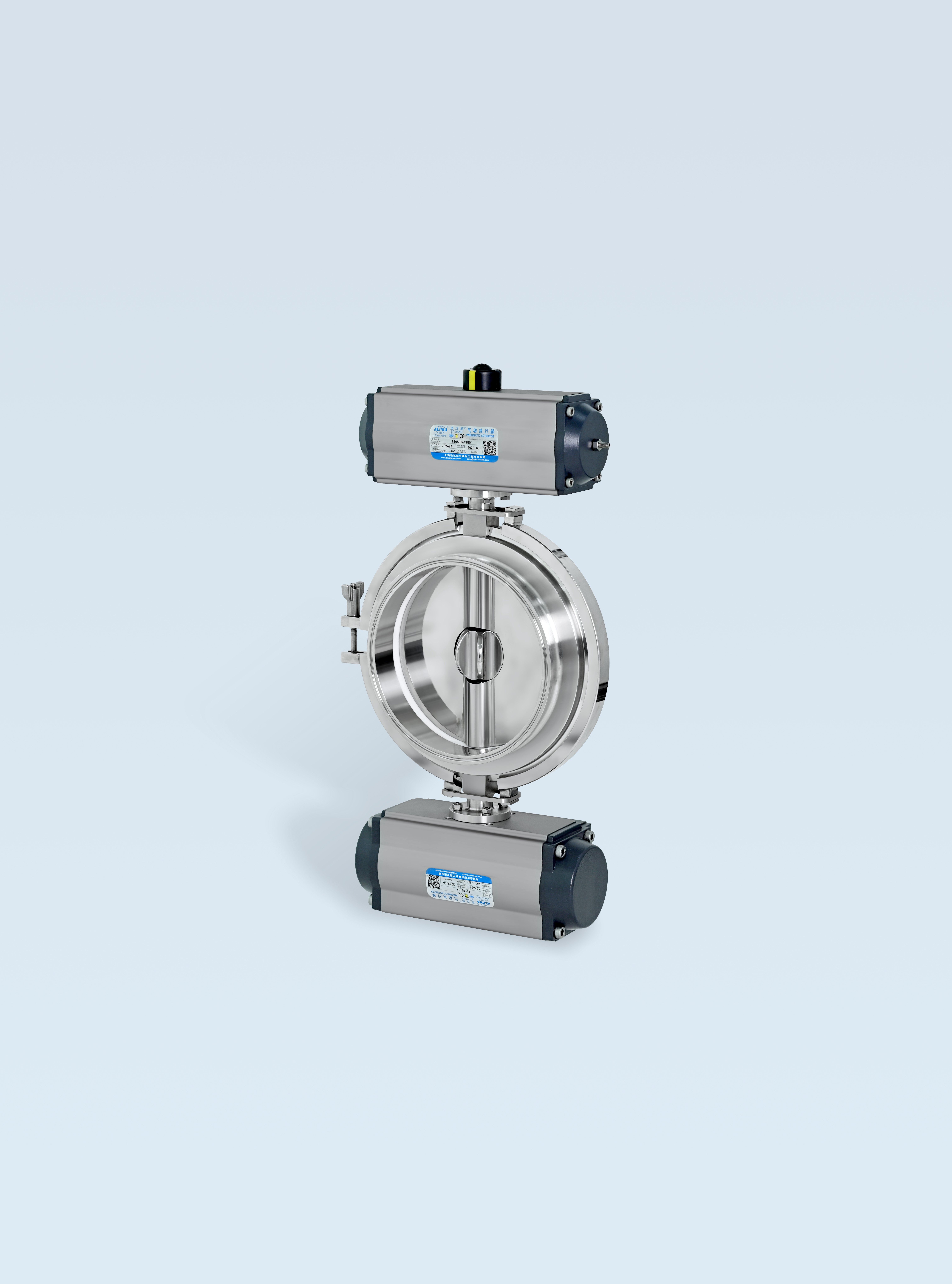
We ran a dedicated endurance bench with the unit cycling continuously for over 12,000 actuations while logging flow every 100 cycles. The early break-in period showed a slight settling of about 0.4% in the first 500 cycles, then the curve flattened out noticeably.
Across the full 12,000-cycle span, the average flow deviation stayed within ±0.6% of the initial calibrated value. More telling is the standard deviation on repeat measurements at fixed setpoints after 5,000 and 10,000 cycles, which came in at 0.18% and 0.21% respectively. No trending drift was observed after the initial stabilization window.
This level of repeatability holds because the internal flow path doesn't rely on elastomeric seals that degrade with each stroke. The metering chamber geometry and the drive mechanism compensate for minor wear, so even after thousands of cycles the delivered volume per stroke remains essentially unchanged.
Can their team walk you through a real-world maintenance schedule?
Ask them to pull up an actual calendar from a recent project, not a slide deck. You want to see how they juggled seasonal shutdowns, equipment lead times, and crew availability on the same page. If they hesitate or switch to generic bullet points, that’s a signal their “schedule” lives in theory, not in the field.
A solid team can point to a specific week where a pump rebuild slid three days because of a parts delay, and explain exactly how they absorbed that without letting the next preventive task domino. Listen for the messy details: who made the call, what got deprioritized, and whether anyone walked the floor to verify the new timing. That’s the difference between a printed Gantt chart and a schedule that survived contact with reality.
Also ask what their team does when the schedule breaks, because it will. Do they have a standing 15-minute huddle to re-sequence work, or does everything wait for next month’s planning meeting? The answer tells you whether they treat maintenance as a living routine or a static PDF.
Do they offer more than just off-the-shelf valve bodies?
A catalog valve body often forces you to compromise on port placement, wall thickness, or sealing geometry. The real value emerges when a supplier can take your existing print and refine it, or start from a rough concept and handle the design-for-manufacturing work. That means adjusting flow paths for a specific pressure drop, reworking flange faces to mate with non-standard actuators, or machining a one-off prototype before committing to a production batch.
Beyond the metal itself, look for capabilities like in-house surface treatments, pressure testing, and even assembly of spools or cartridges. Some shops will keep safety stock of your custom bodies and offer blanket orders, so you are not stuck re-qualifying a new vendor every quarter. The difference is not just having more part numbers on a shelf; it is having a production partner who can iterate without sending you back to square one.
Which third-party certifications can they back up with documentation?
Their documentation set is not a vague promise; it includes actual certificates from bodies like Ecocert, the Soil Association, and ISO-accredited registrars. You can request the specific certificate number, the scope of the audit, and even the original signature page if needed. These aren't just logos on a website—they’re physical or PDF records that show the exact dates of inspection, the standards applied, and any non-conformities that were later closed.
What often gets overlooked is the way they back up less glamorous certifications. For example, the fair trade certification isn't just a stamp—they can produce the transaction logs showing the premium paid per kilogram of raw material, matched to the invoice from the cooperative. The same goes for the energy management standard (ISO 50001): the documentation includes the baseline energy review, the improvement targets, and the certified auditor’s sign-off on each annual surveillance visit.
If you push further, they can also provide audit reports that aren't just pass/fail summaries. The last organic inspection, for instance, had a minor observation about residue testing frequency, and they can show the corrective action plan and the follow-up email from the certifier confirming closure. That level of paper trail is rare, and it’s what separates a marketing claim from something you can actually verify with a third party.
What happens when you need support six months after installation?
Six months after installation, your system has settled into its routine, but that doesn’t mean questions or hiccups won’t appear. Maybe you’ve noticed a slight drop in performance, or a feature you never used suddenly seems important. Good support doesn’t vanish once the initial setup is complete. A reliable provider keeps your records on file and can pull up your installation details without making you repeat everything from scratch. You should be able to reach a real person who knows the product inside out, not just a generic script.
The best post-installation support is proactive rather than reactive. Instead of waiting for you to call with a problem, a thoughtful team might send a six-month check-in email or schedule a quick health review. If you do need hands-on help, the process should be straightforward: describe the issue once, get a clear timeline for resolution, and know what to do if the fix doesn’t work. Remote diagnostics can resolve many issues without a site visit, but if a technician does need to come out, you shouldn’t be hit with surprise fees just because the calendar flipped past the warranty’s edge.
Ultimately, support six months down the line is a test of the relationship, not just the equipment. A vendor who treats your call as an interruption might have sold you a box, but a partner who treats it as a chance to earn your loyalty will make the effort feel effortless. Ask about extended support plans, documentation you can access anytime, and whether they monitor your system’s health remotely. If the answer is vague or you get bounced between departments, that’s a warning sign. You deserve support that’s as durable as the product itself.
FAQ
Look for a shop that states a clear tolerance band—±5% of nominal flow is common, but tight gas or liquid applications may need ±2% or better. Ask for a sample inspection report from a recent batch; a good vendor will include actual measured Cv or orifice diameter, not just a pass/fail check.
The answer should go beyond 'stainless steel.' You want specific alloys—316L, Hastelloy C-276, Monel, or PTFE/PCTFE for seals—plus evidence of compatibility testing. If you're dosing solvents or acids, ask for a compatibility matrix or a reference from a similar application.
A capable manufacturer will give you a turndown ratio, not just a max number. For example, a 50:1 turndown from 0.2 to 10 L/h means the valve stays linear and repeatable across that range. Beware of suppliers who only quote maximum flow and ignore low-end performance.
Ask whether every valve ships with its own flow curve measured on a calibrated bench. NIST-traceable or ISO 17025 documentation matters if you're in medical, analytical, or regulated environments. A simple 'typical curve' generic datasheet is less useful than serial-number-specific data.
Find out if the manufacturer has in-house engineering or just resells catalog items. If you need a low-flow needle profile or a custom manifold, they should be able to modify the orifice size, spring rate, or connection types without a huge tooling charge. Ask for a sketch or 3D model before committing.
Each valve should be leak-tested and flow-verified at minimum. For critical dosing, request a pressure decay test, cycle test, or particulate cleanliness report. If the vendor hesitates to share raw data sheets, treat that as a red flag for quality control.
Standard catalog parts should ship within two to four weeks; custom units might take eight to twelve weeks depending on material availability. A manufacturer with a clear production schedule and buffer stock for common alloys is more reliable than one that promises 'ASAP' without detail.
Ask if they provide re-calibration services, seal kits, or full refurbishment. Over time, soft seats wear and flow drift happens; a good partner will offer a defined rebuild procedure and a quick turnaround—ideally under two weeks—so your process doesn't stall.
Conclusion
A metering valve spec sheet won't tell you half of what you need to know. Start with wetted materials—ask the supplier to prove that seals, diaphragms, and body alloys have survived conditions like yours, whether that's abrasive slurries, aggressive solvents, thermal cycling, or strict purity demands. Vague compatibility claims don't cut it. Then move to repeatability. A valve that nails its flow rate on day one might drift after 10,000 cycles; demand test data showing hysteresis, seat wear, and drift under real load, not just a factory calibration sheet.
Don't stop at the hardware. Ask their engineers to outline a realistic maintenance schedule for your specific duty cycle—what gets cleaned, what wears out, and how often you'll actually need to swap parts. If they claim the valve is maintenance-free, walk away; every metering valve has wear points. Look for a manufacturer willing to go beyond stock bodies: custom trims, exotic alloys, special porting, or integrated flow feedback are signs they understand tough applications. Certifications should be backed by traceable documents—material certs, pressure test reports, third-party approvals for food, pharma, or hazardous areas—not just logos on a website. Finally, call their tech support line before you buy. How long it takes to reach a real engineer tells you more about post-install support than any sales pitch.
Contact Us
Contact Person: Ananda
Email: [email protected]
Tel/WhatsApp: 8619016718200
Website: https://www.wzaomi.com