

Main Door Factory Top 10: Best Manufacturers for Style and Security
2025-12-21
Your front door isn't just an entrance—it's a statement of style and a shield for your home. Yet finding a manufacturer that nails both can feel like chasing a ghost. We dug deep into the industry to unearth the top 10 main door factories that actually deliver, and among them, FANSI caught our eye for blending airtight security with designs that don't scream 'fortress.' What follows is a curated guide for anyone tired of compromising—because a door should welcome and protect in equal measure.
What Sets These Manufacturers Apart in Design Innovation?
Their approach goes beyond simply following trends; it’s rooted in a deep understanding of how people interact with products daily. By weaving together user insights, material experimentation, and a willingness to break conventional rules, they craft designs that feel both fresh and intuitively familiar. This isn't about flash—it's about creating meaningful connections between form and function that resonate long after the initial wow factor fades.
Collaboration sits at the heart of their process. Designers, engineers, and external artists frequently mingle, challenging each other's assumptions and sparking unlikely ideas. This cross-pollination isn't just internal—they actively invite feedback from end-users early in the development cycle, treating each product as a living prototype that evolves through real-world interaction rather than staying confined to a studio sketch.
Moreover, they measure innovation not by complexity but by the quiet elegance of a solution that makes life simpler. It’s the removal of unnecessary clutter, the refinement of a texture that delights fingertips, or the rethinking of a common object that turns it into something entirely new yet oddly recognizable. This philosophy turns everyday challenges into opportunities for thoughtful, understated breakthroughs.
Exploring the Security Features That Matter Most
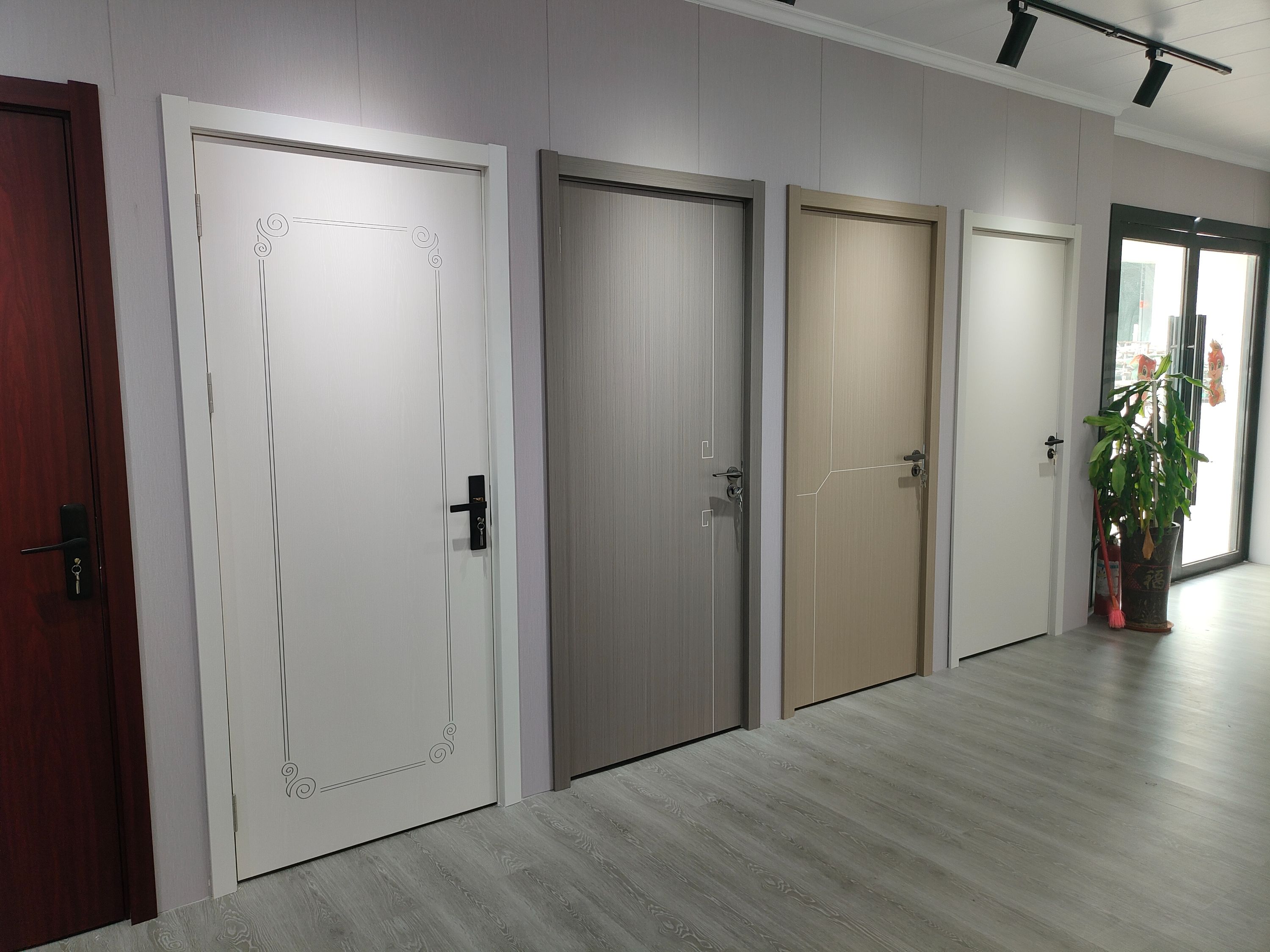
When you’re evaluating security options, it’s easy to get lost in technical specs and jargon. What really counts is how those features safeguard your daily life—whether that’s locking down your personal data, preventing unauthorized access to your accounts, or giving you a clear heads-up when something fishy is going on. The best protections are the ones you don’t have to think about; they work quietly in the background but jump into action instantly when needed.
One of the most underrated aspects is the ability to respond to threats before they escalate. Real-time monitoring that learns your habits and flags anomalies can stop trouble early, while automatic updates ensure you’re not relying on yesterday’s defenses against today’s attacks. Pair that with fine-grained privacy controls—like deciding exactly which apps see your location or files—and you start to see security that adapts to your life, not the other way around.
Finally, look for layers that don’t add friction. Two-factor authentication, encrypted storage, and biometric locks might sound overkill, but when they’re implemented seamlessly, you barely notice them. The goal isn’t just to throw up walls—it’s to make safe choices feel natural. When a product gets that balance right, you end up protected without feeling like you’re constantly proving your identity or jumping through hoops.
Materials That Combine Beauty and Resilience
Some materials seem almost contradictory in their nature—they catch the light with elegance, yet can withstand forces that would shatter ordinary substances. Take polished concrete, for instance. Its smooth, reflective surface brings a sleek, modern feel to interiors and exteriors, but beneath that lustrous finish lies incredible compressive strength. It doesn’t just endure the weight of daily foot traffic or heavy furniture; it laughs off decades of it, acquiring a subtle patina that many find more appealing than its original appearance.
Similarly, high-performance ceramics have escaped the confines of laboratory and aerospace applications to become a favorite in contemporary design. A ceramic countertop can mimic the delicate veining of marble while being almost impervious to heat, stains, and scratches. The secret is in the molecular structure—these materials are engineered at a microscopic level to resist cracking and wear, all while offering a tactile and visual warmth that belies their toughness.
Then there are composites like carbon fiber, which weave together lightness and rigidity in a way that opens up sculptural possibilities. In furniture and architecture, it’s prized not just for its strength-to-weight ratio, but for the mesmerizing interplay of shadow and shine across its woven surface. These materials don’t force a choice between aesthetic appeal and lasting performance—they remind us that sometimes, the most beautiful designs come from embracing resilience as a core element of form.
Real Customer Stories: Doors That Transformed Homes
When the Parkers replaced their tired, hollow-core front door with a solid oak, craftsman-style entry, they couldn't believe the ripple effect. The stained-glass insets threw warm prisms across the hallway every afternoon, and the heft of the door made the whole house feel more substantial. Their neighbors started slowing down on walks just to admire it, and within a month, three other families on the block had updated their own entrances. It wasn't just a door—it became a quiet signature for the entire home.
Lena had always felt her kitchen was cut off from the patio, even with the sliding glass door. Swapping it for a pair of steel-framed French doors changed everything. Now, morning light pours across the herringbone floor, and on weekends she props both sides open so the herb garden scent drifts right in. Friends say it feels like a vacation rental in the best way—cooking with a breeze and a view of the lavender. The door blurred the line between indoors and out, and suddenly the kitchen became the gathering spot it was meant to be.
In a narrow hallway that led to the mudroom, Jake installed a reclaimed wood barn door on a matte-black track. The space went from a cluttered pass-through to a focal point. The door's patina told a story of its own, and the sliding mechanism saved precious floor space they'd been losing to a swing door. Now, when guests leave through that side, they pause and run their hands over the rough-hewn planks, almost forgetting they're heading out to the driveway. It's the kind of detail that makes the whole house feel intentional rather than just assembled.
Customization Options You Didn’t Know Existed
It’s easy to overlook the quiet customization features tucked away in settings menus, the kind that don’t advertise themselves with pop-ups or flashy tooltips. Ever noticed that some apps let you long-press a specific icon to reveal a hidden menu? That’s not a bug—it’s a deliberate design choice that grants you control over things like default actions for file types or gesture shortcuts that vary by time of day. The magic lies in exploring corners you rarely visit: submenus named “Advanced,” experimental flags buried in developer options, or even the ability to remap hardware buttons on older devices. These aren’t hacks; they’re deliberate inclusions the developers assumed only curious users would find.
Then there’s the layer of visual customization that goes beyond mere wallpapers. Think theme engines that respond to your music’s album art, pulling accent colors dynamically, or the way you can set different app icon shapes based on the current weather. Some platforms let you create custom notification filters that don’t just mute sounds but actually change the LED color or vibration pattern for specific contacts—a subtle way to know who’s reaching out without looking at the screen. It’s this kind of ambient personalization that transforms the device from a generic tool into an extension of your daily rhythms.
And what about text? Many apps silently support system-wide font injection, meaning you can use any typeface you prefer, even ones you’ve crafted yourself, without rooting or jailbreaking. Combine that with language-specific formatting rules that you can tweak per app—like date displays in your local calendar versus a global work tool—and you start feeling like the device is actually adapting to you, not the other way around. The real trick is that most of these options are never pushed to you; they sit there, waiting for someone to stumble upon them. So next time you have a few minutes, dive into the settings and start tapping on things that don’t look like buttons. You might walk away with a device that finally feels truly yours.
How to Choose the Right Main Door for Your Home
Your front door does a lot more than just open and close. It sets the tone for your entire house, greets guests, and stands guard against weather and unwanted visitors. Before you get lost in a sea of catalogs, take a moment to think about what you actually need: better insulation against noisy neighbors, a sturdier lock system, a pop of color that makes you smile every time you pull into the driveway, or simply something that won’t warp after a humid summer. Getting clear on your priorities early keeps you from being swayed by a pretty door that doesn’t pull its weight.
Material can make or break your satisfaction down the road. Solid wood has that timeless warmth and can be refinished if it gets scuffed, but it demands regular upkeep and doesn’t love extreme damp or dry spells. Steel wins on security and price, plus modern magnetic weatherstripping honestly silences drafts like nothing else—though dents and scratches can expose a rust-prone core if you’re not careful. Fiberglass has come a long way; many models these days mimic wood grain so well that neighbors might knock just to ask about it, and they shrug off dents and moisture with equal ease. Think about the direction your entry faces: if afternoon sun beats down relentlessly, a dark painted steel door might turn into a baking sheet, while a light fiberglass one stays unbothered.
Even the best door can look awkward if it fights the architecture of your home. Craftsman bungalows often sing with vertical plank details and squat sidelights, while a sleek mid-century entry might call for a flush door with a long horizontal handle. Don’t ignore the threshold and the surrounding trim—a heavy-duty weatherstripping system needs a solid frame to perform. Glass inserts bring in light but also prying eyes, so textured or tinted options can give you brightness without giving a show to the street. And here’s a tip most folks learn the hard way: always get a pro to measure and install, because a perfectly level door that swings smoothly on day one is worth more than the couple hundred dollars you might save by trying to coax an out-of-square opening with shims yourself.
FAQ
We focused on a mix of design versatility, material quality, security certifications, and real customer reviews. Durability and how well each brand balances looks with protection were heavy factors too.
A few names like Masonite and Jeld-Wen consistently get praise for their sleek, contemporary lines paired with solid-core construction and multi-point locking systems. They don't make you choose between curb appeal and peace of mind.
Absolutely. Simpson Door Company often flies under the radar, but their handcrafted wood doors with intricate detailing bring a level of uniqueness that mass-produced options can't touch. It's an old-world charm that feels personal.
Most of the top players have streamlined made-to-order processes. Therma-Tru, for instance, lets you tweak glass inserts, panel profiles, and finishes online, and their build times stay competitive—usually within 4-6 weeks for custom pieces.
Look beyond the basic deadbolt. Advanced strike plates, reinforced frames, and impact-rated glass are non-negotiable in high-risk areas. Brands like IronCraft and Jeld-Wen explicitly showcase their forced-entry resistance tests, so you know what you're getting.
Yes, and it's more than just a checkbox. Pella’s fiberglass doors, for example, use recycled materials and boast energy-efficient cores, all while hitting high marks on security and coming in plenty of contemporary designs. It’s a smarter long-term investment.
Pricing ranges from around $500 for a basic steel entry door to upwards of $5,000 for a custom solid wood piece with premium hardware. The jump usually brings better insulation, thicker gauge steel, or artisan finishes—things you'll appreciate daily for years.
Conclusion
When it comes to selecting a main door, the blend of style and security is essential. The top 10 manufacturers distinguish themselves through thoughtful design innovation, creating doors that range from sleek, modern lines to highly detailed, classical motifs. Security is not an afterthought; features like reinforced lock systems, impact-resistant glass, and solid core construction are built into the designs without compromising curb appeal. These brands also prioritize materials that marry durability with sophistication, utilizing hardwoods, steel composites, and weather-resistant veneers to craft doors that age gracefully while standing up to daily use.
Hearing from actual homeowners, a door replacement often becomes the focal point of a renovation, dramatically enhancing the home’s character and perceived safety. What surprises many is the level of personalization on offer—beyond standard dimensions, you can choose from an array of panel configurations, decorative glazing, and custom color matching. The process of choosing the right door involves more than just aesthetics; it’s about understanding your home’s exposure to elements, your privacy requirements, and the architectural style you want to complement. The best manufacturers guide you through this, ensuring the final product feels uniquely yours and stands as a reliable guardian for years.
Contact Us
Contact Person: Liam
Email: [email protected]
Tel/WhatsApp: (+86)16658531012
Website: https://www.fansifiredoor.com