
International Bill of Lading Database Platform Simplifies Cross-Border Logistics
2026-08-29
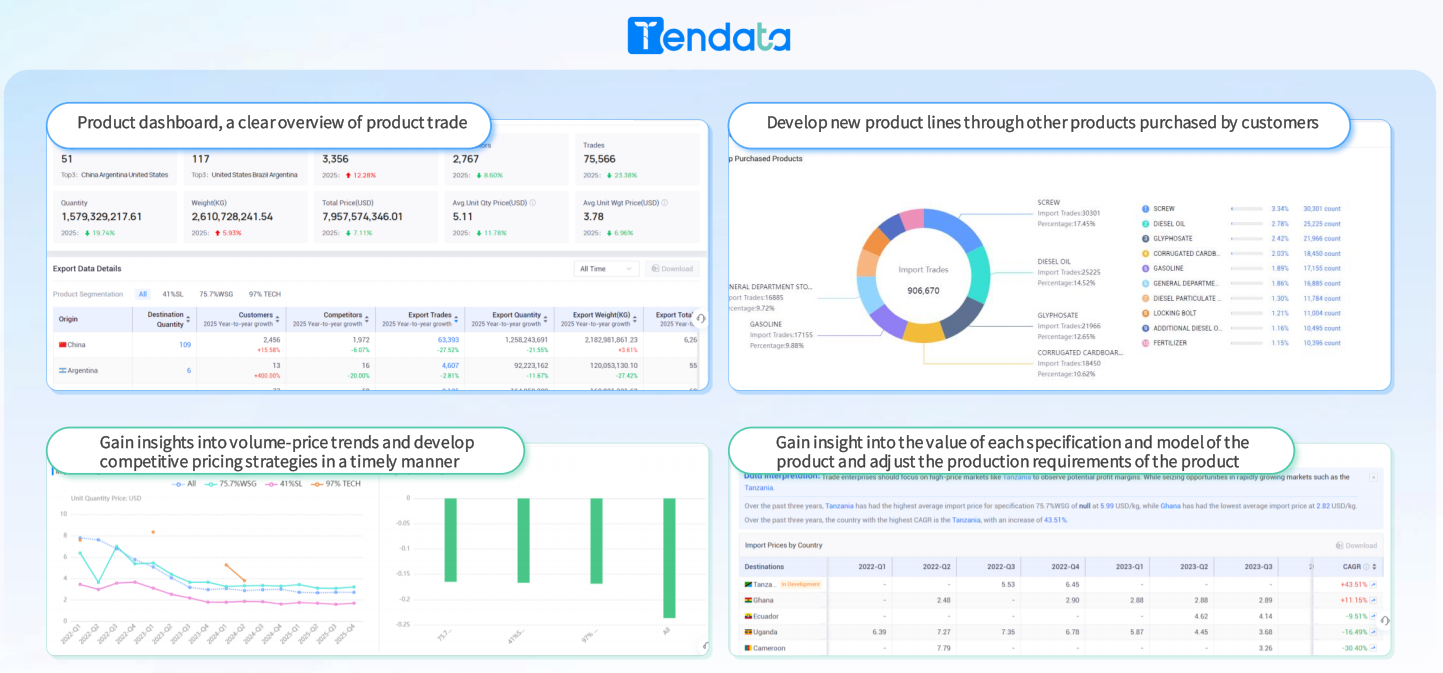
Every cross-border shipment hides a stack of bills of lading that can make or break a delivery. One missing document, one mismatched detail, and cargo stalls at the port. That friction is exactly what Tendata set out to remove. By turning the international bill of lading into a searchable, centralized database, the platform gives logistics teams instant visibility into trade flows, buyers, and suppliers—long before the containers move. This blog walks through how that shift is simplifying cross-border logistics from first mile to last.
Paperwork No Longer Sets the Pace
A decade ago, a stack of printed forms could quietly dictate how fast a team moved. One missing signature on an expense report meant the whole reimbursement cycle stalled—and nobody could do much about it except wait. The physical handoff of documents, from desk to desk, created invisible bottlenecks that felt normal simply because they were everywhere.
That old cadence has broken down. Cloud-based file sharing, e-signature tools, and automated approval routing now let work continue in parallel. A contract can be reviewed in Chicago, countersigned in Singapore, and filed in London within the same afternoon—no courier envelope, no fax machine, no three-day lag for the next person in the chain to notice it arrived.
What this really changes is attention. Employees no longer spend their mornings chasing paper trails or reminding colleagues to initial page four. Instead, the rhythm of a project follows decisions and input from people, not the speed of a mail cart. For many teams, that means the first time they feel stuck is when a genuine judgment call is needed—not when a folder is sitting on someone's desk.
Every Container Gets a Digital Fingerprint
The idea is simple on the surface: every shipping container, whether it’s crossing an ocean or sitting in a rail yard, carries a unique digital identity tied to its physical journey. Unlike a painted serial number that fades or gets covered in grime, this fingerprint lives in the cloud and updates as the box moves. Sensors, gate scans, and handheld readers all feed into the same record, so a container’s location, temperature history, and even the shocks it endured are no longer a mystery. Port operators can see at a glance which units have been sitting too long, and customs officials can pull up a full chain of custody without opening a single door.
What makes the fingerprint practical is its refusal to be copied. Each container gets a cryptographic ID that follows it from factory to final delivery, making it nearly impossible to pass off a tampered unit as legitimate. When a seal is broken or a route deviates without explanation, the system flags the exception immediately. Freight forwarders no longer rely on phone calls and spreadsheets to piece together where a shipment went quiet. Instead, the container’s own record speaks for itself, and anyone with the right access can verify its story in seconds.
Customs Clearance Without the Guesswork
Customs clearance often feels like a maze of shifting rules and paperwork that changes by the hour. We cut through that by giving you a single, clear checklist for your shipment class, so you know exactly which documents to prepare before anything leaves the dock. No more guessing whether a certificate of origin or a packing list variation will hold things up at the border.
Instead of waiting on hold for an update, you see every clearance milestone as it happens: entry filed, duties calculated, release confirmed. If a customs officer flags a shipment, you get the specific reason and the exact fix needed, not a vague "pending review." That turns a potential standstill into a fifteen-minute correction.
Our team also keeps a rolling tariff and regulation database tied to your usual lanes, so shifts in HS codes or trade agreements show up as plain-language notes before they affect your freight. You move forward with a plan, not a prayer.
One Dashboard for Every Link in the Chain
For years, supply chain teams have juggled a patchwork of spreadsheets, emails, and disconnected tools. One dashboard changes that by pulling procurement, warehousing, transportation, and order fulfillment into a single view. No more logging into five systems to answer one question—everything from raw material ETA to last-mile delivery status sits in the same place.
The real payoff comes when something goes wrong. A delayed shipment from a tier-two supplier doesn't just trigger an alert; it instantly recalculates the impact on production schedules and downstream orders. Instead of chasing updates, planners see exactly which links are strained and can make a call before the bottleneck spreads.
What makes this approach work is tailoring the view to the person using it. A warehouse manager sees dock door utilization and picking backlogs; a financial controller sees landed cost variances and payment milestones. The dashboard isn't a static report—it's a working surface that adapts as the chain moves.
Errors Fade When Data Enters Once
Every extra keystroke is a chance for mistakes to slip through. When the same detail gets typed into multiple forms, spreadsheets, or systems, small differences start to appear: a missing digit, a swapped date, a name spelled two ways. These inconsistencies create confusion later, forcing teams to hunt down the correct version and fix records that should have been right from the start.
Entering data once removes that repeated exposure to error. Instead of copying a value from one place to another, the information lives in a single location and flows wherever it is needed. Updates happen in one spot, so every report, invoice, or dashboard automatically reflects the same truth. There is no lag, no manual sync, no guessing which entry is current.
The result is cleaner records and fewer interruptions. Staff spend less time correcting duplicates and verifying details, and more time using accurate information to make decisions. What begins as a simple practice, enter it once, becomes a quiet safeguard against the kind of small drift that can quietly undermine trust in data.
Cross-Border Moves with Fewer Phone Calls
Planning an international move used to mean keeping your phone nearby for updates from agents, customs brokers, and shipping companies. Now much of that back-and-forth can happen online. You can upload inventory lists, get instant quotes, and confirm service details through a secure portal instead of waiting on hold.
A shared timeline keeps everyone on the same page without a single call. You can upload packing photos, receive digital documents to sign, and read notes left by your moving coordinator at any hour. If something changes, a short message replaces a long phone tag session. Even customs updates appear as status changes rather than urgent voicemails.
Fewer calls doesn't mean less support. When you do need to talk, you can schedule a callback at a time that suits your time zone. The goal isn't to remove human contact; it's to remove the friction of waiting and repeating the same details to different people.
FAQ
It removes the need to chase paper documents across multiple carriers and customs brokers. Instead of waiting for couriered originals, teams can access a single verified record that updates as cargo moves, cutting delays caused by mismatched or lost bills.
It stores jurisdiction-specific clauses and document variants, so a shipment from Shanghai to Rotterdam can carry the right endorsements without manual rekeying. Local compliance checks run against the stored data, flagging missing stamps or signatures before they become customs holds.
Yes, most implementations work through API connectors or file-based uploads, so a regional forwarder can keep its current transport management system. The database acts as a shared layer rather than another standalone tool, which lowers onboarding time to a few weeks.
The platform versions the document and notifies every party that holds the original reference. Authorized users can propose a change, such as a consignee correction, and once the carrier approves it, the updated version becomes the active record while the old one is marked superseded.
Because each bill of lading has a unique cryptographic fingerprint on the platform, banks and lenders can check whether the same document has already been pledged elsewhere. Duplicate presentations are flagged automatically, and the audit trail shows who accessed or tried to transfer the title.
It covers ocean bills as the anchor document but allows rail, truck, and air waybills to be linked under one shipment record. That way a container moving from inland China to a US warehouse keeps a continuous chain of custody without separate databases.
Most users see release and delivery steps move from days to hours because customs brokers and port agents can verify the bill of lading instantly. One pilot with a Southeast Asia-Europe route cut average document turnaround from four days to under six hours.
Role-based permissions are tied to the bill of lading itself, not just the user account. A shipper can view and propose edits, a carrier can approve changes, and a bank can see only verification status, preventing unauthorized data exposure while keeping collaboration smooth.
Conclusion
The days of a shipment's speed being dictated by a courier bag full of stamped papers are over. On a shared international bill of lading database, the document itself stops being a physical hurdle. Once a carrier issues the bill, it exists as a verified digital record that every permitted party—shipper, forwarder, port agent—can see and act on without waiting for the original to arrive by airmail. The container's journey is no longer chained to a paper trail; instead, the data moves at the speed of the network, letting vessels depart and trucks roll as soon as the cargo is ready.
Each container receives a unique digital fingerprint tied to its bill of lading, so its identity, contents, and status are never in doubt. At customs, officials pull up that fingerprint instead of guessing at illegible stamps or mismatched invoices. Errors drop sharply because data is entered once at origin and reused downstream—no rekeying, no conflicting versions. A single dashboard gives every link in the chain the same live view, from factory floor to final mile, replacing dozens of phone calls and email threads. Cross-border moves become calmer, faster, and far less dependent on someone being awake in another time zone to answer a question that the platform already resolved.
Contact Us
Contact Person: Grace
Email: [email protected]
Tel/WhatsApp: +86 18721992033
Website: https://www.tendata.com