
Food Grade Adsorbent Silica from China: A Reliable Choice for Moisture Control and Freshness
2026-05-19
Keeping food fresh and crisp starts with effective moisture control, and one material is quietly making a difference in packaging and storage: food-grade adsorbent silica. Sourced from China’s trusted manufacturers, this high-purity desiccant offers a safe, reliable way to lock away humidity and extend shelf life. Leading the way is Zhonglian, a brand committed to advanced silica solutions that meet strict food safety standards. In this post, we’ll explore why food-grade silica from Zhonglian is the smart choice for preserving quality and preventing spoilage—naturally and efficiently.
How Premium Silica Adsorbents Keep Food Products Dry and Fresh Longer
Moisture is the number one enemy of many shelf-stable foods, silently triggering texture breakdown, clumping, mold growth, and off‑flavors. Premium silica adsorbents work by attracting and holding water molecules within their vast internal pore structure—without releasing liquid back even as temperatures fluctuate. This physical trapping mechanism instantly lowers the relative humidity inside a package, creating a dry microclimate that keeps crackers crisp, powdered ingredients free‑flowing, and dried herbs vivid.
Unlike basic desiccants, high‑grade silica gels are engineered with a precisely tuned pore size and surface chemistry, enabling them to adsorb moisture rapidly and retain it at levels far exceeding standard options. They remain inert and non‑reactive, so there’s no risk of chemical leaching into the food. Because the equilibrium capacity remains steady across a wide humidity range, they provide a longer effective life, often lasting the entire shelf life of the product. This means manufacturers can extend freshness windows without reformulating recipes or adding chemical preservatives.
The real advantage shows up in challenging conditions: when packages face temperature swings that cause condensation, premium adsorbents continue to scavenge that sudden moisture rather than allowing it to settle on the food surface. Inside bags of dried fruits, jerky, or specialty coffee, this consistent protection preserves both mouthfeel and original taste. Many of these materials are also regenerable for industrial use and comply with strict food‑safety regulations, ensuring they contribute only to dryness and never to contamination.
From Production to Packaging: Where Food-Grade Desiccants Make a Difference
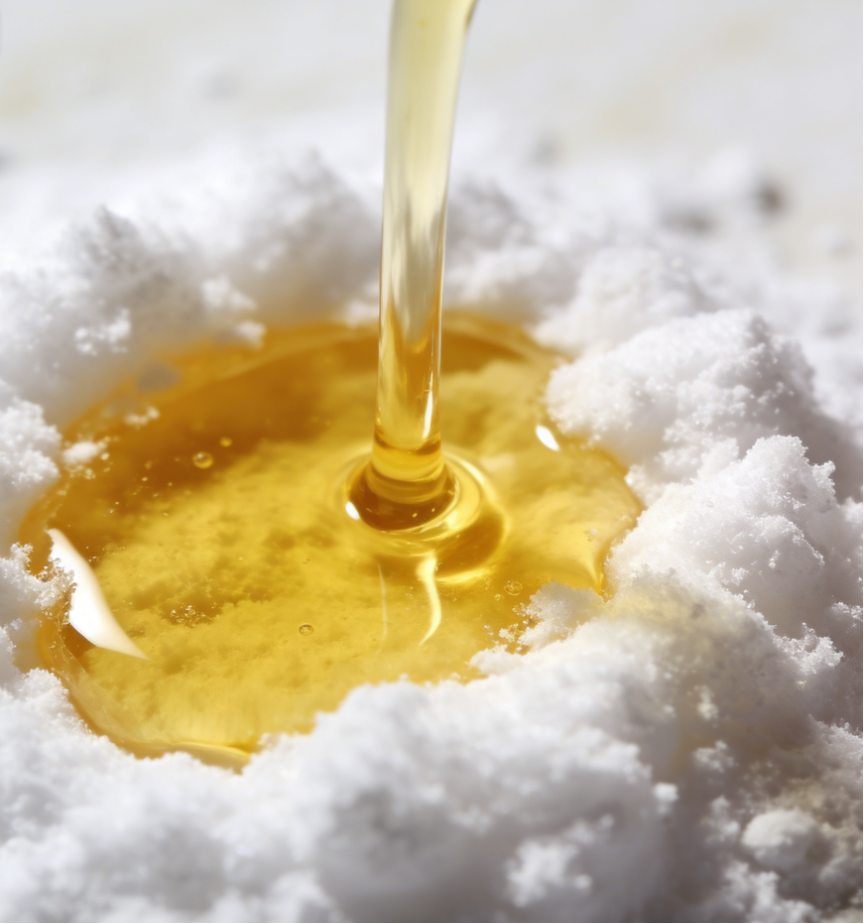
During production, food-grade desiccants are integrated into processes to control moisture that could compromise product integrity. For instance, they are placed in bulk storage containers of hygroscopic ingredients like powdered milk or starch, preventing clumping and microbial growth. On automated lines, desiccant packets are inserted into packages of dried fruits, jerky, or vitamin supplements, ensuring these products remain crisp and stable from the factory floor to the consumer's pantry.
At the packaging stage, the role of desiccants evolves to safeguard shelf life. They are sealed within bottles of pharmaceuticals to stop tablets from degrading, or tucked into pouches of seasoned nuts to maintain crunchiness. In shipping cartons, larger desiccant units absorb humidity that could lead to mold on labels or cardboard weakening. By the time a product reaches retail shelves, these unassuming sachets have already acted as silent guardians, preserving taste, texture, and safety without altering the product itself.
Why More Global Brands Source Their Moisture Control Solutions from China
In recent years, a quiet shift has been reshaping the moisture control industry. More brands than ever are turning their attention eastward, and for good reason. China has evolved far beyond the “cheap factory” label—it’s now a powerhouse of innovation, speed, and precision. When it comes to desiccants, humidity indicators, and smart packaging, Chinese suppliers are combining advanced manufacturing with deep material science expertise. This isn’t just about cost anymore; it’s about accessing a complete ecosystem where R&D, production, and logistics are seamlessly integrated. The result is a supply chain that can respond to trends almost overnight and tailor solutions to niche markets with surprising agility.
Another overlooked advantage is the sheer depth of customization available. Brands no longer have to settle for off-the-shelf products. Instead, they can collaborate directly with factories to develop moisture control solutions that fit exact specifications—whether that’s a biodegradable desiccant for eco-conscious packaging or a humidity indicator that changes color at a specific threshold. This level of partnership is rare, and it’s made possible by a culture of rapid prototyping and continuous improvement that many Western manufacturers struggle to match. For global brands, it means bringing unique, market-ready products to the shelf faster than competitors who rely on traditional sources.
Regulatory compliance is often the final piece that locks in the decision. Chinese moisture control manufacturers have invested heavily in certifications like EU REACH, RoHS, and FDA approvals, making their products viable for strict international markets. Combined with a growing emphasis on sustainability—like recyclable packaging and reduced chemical footprints—these suppliers are shedding old stereotypes. Brands are realizing that sourcing from China isn’t a compromise; it’s a strategic move that blends quality, compliance, and innovation into a single supply solution that simply makes sense in today’s global economy.
A Closer Look at the Purity and Safety Standards of Modern Adsorbent Silica
Modern adsorbent silica doesn't earn its place in food additives and pharmaceutical processing by chance—its purity is the product of meticulous control at every stage. Trace elements like arsenic, lead, or mercury can sneak in through raw materials, so leading producers employ aggressive purification routines, including acid washes and multi-stage thermal treatments that strip out unwanted metals without compromising the silica's porous structure. This isn't just about hitting numbers on a spec sheet; it’s about ensuring that the silica, even when in direct contact with edible oils or drug formulations, introduces nothing but beneficial adsorption.
Regulatory bodies have drawn a clear line in the sand. To meet USP/NF or EU pharmacopoeia monographs, silica adsorbents must demonstrate heavy metal levels well below parts-per-million thresholds, alongside strict criteria for soluble salts and microbial contamination. A well-documented safety dossier covers everything from endotoxin limits to residual solvents, giving formulators confidence that the material won't trigger adverse reactions. In many cases, manufacturers go further by designing their quality systems around ISO 22000 or IPEC-GMP guidelines, folding safety into every batch from pilot scale to full production.
Behind the certificates lies a web of advanced analytical testing that catches what the naked eye never could. Inductively coupled plasma (ICP) spectrometry, gas chromatography for volatile impurities, and low-frequency NMR for pore consistency are all part of the toolkit. But what truly separates commodity silica from a high-purity grade is the refusal to treat testing as a final checkpoint. Instead, data from each run is looped back into process adjustments, so the next batch starts cleaner than the last. Customers don't often see that loop, but they taste it in a crisper beer, or feel it in a more stable drug—and that’s the real payoff of silica that’s pure and safe by design.
Moisture Management in Sensitive Foods: Practical Insights Without the Hype
It starts with knowing your ingredients. Some materials, like dried fruits or flours, seem stable but quietly pull moisture from the air. Others, like a crisp crust, lose their magic the moment they absorb even a little humidity. Instead of treating moisture as an enemy to be crushed, it helps to think of it as something that shifts throughout production—from mixing to packaging to the moment a customer opens the bag.
A common pitfall is over-engineering the solution. More desiccants or a thicker barrier layer isn’t always the answer. Sometimes the real culprit is a brief spike in humidity during cooling, or condensation forming during a shift change. Watching the microclimates inside your facility often beats chasing a fancier packaging spec.
You don't need a lab full of high-end gear to get it right. A simple weight check before and after a few hours in a damp environment can reveal more than complex sorption curves. Pair that with honest trials under real conditions—like a humid dock in summer—and you end up with a process that holds up where it actually counts.
Innovations in Silica-Based Protection That Go Beyond Basic Desiccant Use
Traditional silica gel packets are known for moisture absorption, but modern advances have transformed this material into a multi-functional shield. Beyond simply drying the air, silica now actively captures volatile organic compounds, neutralizes odors, and even inhibits corrosion at the molecular level. These innovations mean that a small packet can protect sensitive electronics not just from humidity but from chemical vapors and airborne contaminants that degrade components over time.
One of the most exciting developments is the integration of silica with responsive indicators and controlled-release chemistry. Imagine silica that changes color to signal when a particular threshold of moisture or a contaminant is present, providing a visual cue for replacement. Some formulations incorporate corrosion-inhibiting compounds that are gradually released into the surrounding environment, offering active, ongoing protection for metals without the need for separate coatings or treatments.
Beyond packaging, these enhanced silica materials are finding their way into building materials, textiles, and even medical devices. For instance, silica-based microcapsules embedded in paints can modulate humidity and trap formaldehyde in indoor spaces, contributing to healthier living environments. In healthcare, similar technologies are being explored to control moisture and bacterial growth around wound dressings, demonstrating that silica’s protective role has evolved far beyond its humble beginnings as a simple desiccant.
FAQ
Its high surface area and porous structure allow it to effectively adsorb moisture, preventing clumping, spoilage, and mold growth without leaching harmful substances into the food.
Silica gel often outperforms clay in humidity control at moderate relative humidities and remains stable at higher temperatures, while offering a more cost-effective and reusable option compared to molecular sieves for general moisture management.
Impurities can migrate into food, causing off-flavors or potential health risks. Food-grade silica gel is manufactured under strict protocols to ensure it meets FDA and EU purity standards, typically containing over 99% amorphous silicon dioxide.
Only if the indicating dye is approved for food contact. Many traditional blue cobalt chloride indicators are toxic; modern variants use food-safe, vitamin-based dyes that change color to show saturation levels without contamination risk.
China has integrated supply chains from raw quartz sand to finished desiccant, enabling consistent quality, scalable production, and customizable packaging options at competitive prices while adhering to international food safety certifications.
By locking away ambient moisture, it prevents enzymatic reactions and microbial growth that cause degradation. This extends shelf life significantly without altering the aroma, taste, or nutritional content of the products.
Yes, it can be regenerated by heating at 100–120°C for a few hours. This releases trapped moisture, restoring its adsorptive power, making it a sustainable choice for long-term storage cycles.
Packets work best inside moisture-tight packaging like HDPE containers or foil-lined pouches. Pairing them with minimal headspace and airtight seals ensures the desiccant captures residual humidity without being overwhelmed by external moisture ingress.
Conclusion
China has emerged as a pivotal supplier of food-grade adsorbent silica, offering an effective and economical solution for preserving the quality and extending the shelf life of food products. Premium silica adsorbents excel at moisture control by trapping water molecules within their vast network of microscopic pores, thereby preventing clumping, spoilage, and the growth of mold and bacteria. This technology is critical throughout the food supply chain, from production lines that integrate desiccant packets into bulk packaging to consumer-ready items like spice blends, powdered supplements, and crispy snacks. By maintaining an optimal dry environment without releasing harmful substances, these adsorbents ensure that sensitive ingredients retain their texture, flavor, and nutritional value for longer periods.
Global brands increasingly turn to China for moisture management solutions not only because of competitive pricing but also due to rigorous adherence to international purity and safety standards. Modern Chinese manufacturing employs advanced processing techniques to deliver adsorbent silica with exceptionally low levels of impurities, meeting FDA, EU, and other regulatory requirements. Beyond basic desiccant use, innovations have led to multifunctional silica products that can actively indicate humidity levels through color changes or be tailored for specific packaging formats. Whether it’s protecting freeze-dried fruits, pharmaceutical-grade nutraceuticals, or delicate confectionery, food-grade silica from China provides a reliable, high-performance barrier against moisture, helping brands worldwide deliver consistent quality and build consumer trust.
Contact Us
Contact Person: Levin Wang
Email: [email protected]
Tel/WhatsApp: 8618668999988
Website: https://www.silicaplant.com/