

Eco Solution Soil Binder for Sustainable Soil Stabilization
2026-11-02
Soil stabilization often means heavy machinery, cement trucks, and a lot of environmental compromise. But what if the ground beneath your next project could be treated with an eco-friendly binder that actually works with nature instead of against it? That’s exactly the promise of Eco Solution Soil Binder—a sustainable alternative that’s turning heads in construction and land restoration. Developed by MST, this innovative approach doesn’t just stabilize soil; it redefines what it means to build responsibly. Here’s why this solution is changing the conversation.
Beyond Cement: A Quieter Approach to Ground Improvement
The dominance of cement-based systems in ground improvement has long rested on their strength and familiarity, but the drawbacks are becoming harder to ignore. High-pressure grouting and deep mixing rigs generate substantial noise and vibration, while ordinary Portland cement carries a heavy carbon burden from clinker production. As urban infill projects crowd closer to occupied buildings, contractors and owners are seeking methods that do not require evacuating a block or enduring weeks of percussive drilling. This has opened the door to quieter, less carbon-intensive alternatives that still deliver the needed bearing capacity and settlement control.
Among the emerging options, colloidal silica grouting and bio-cementation stand out for their low-energy application and minimal site disturbance. Colloidal silica can be injected through small-diameter ports at low pressure, gradually forming a stable gel that binds loose sands without the need for heavy mixing tools. Similarly, microbially induced calcite precipitation uses non-pathogenic bacteria to catalyze calcium carbonate crystals between soil grains, effectively cementing the matrix over a period of days. Both methods operate with little more than a small pump and injection packers, producing sound levels closer to background than to conventional grouting.
Field trials in Europe and North America have shown that these quieter techniques can reduce settlement by half or more in liquefiable soils, while keeping adjacent structures fully operational during treatment. The materials are often derived from industrial by-products or low-energy synthesis routes, cutting embodied carbon by 30 to 60 percent compared to equivalent cement grouting. For projects where acoustic restrictions, tenant comfort, or carbon budgets are non-negotiable, moving beyond cement is no longer a compromise but a practical engineering choice. In situ permeability testing and post-treatment sampling provide the same confidence as traditional methods, without the noise that once signaled progress.
The Role of Natural Polymers in Binding Unstable Soils
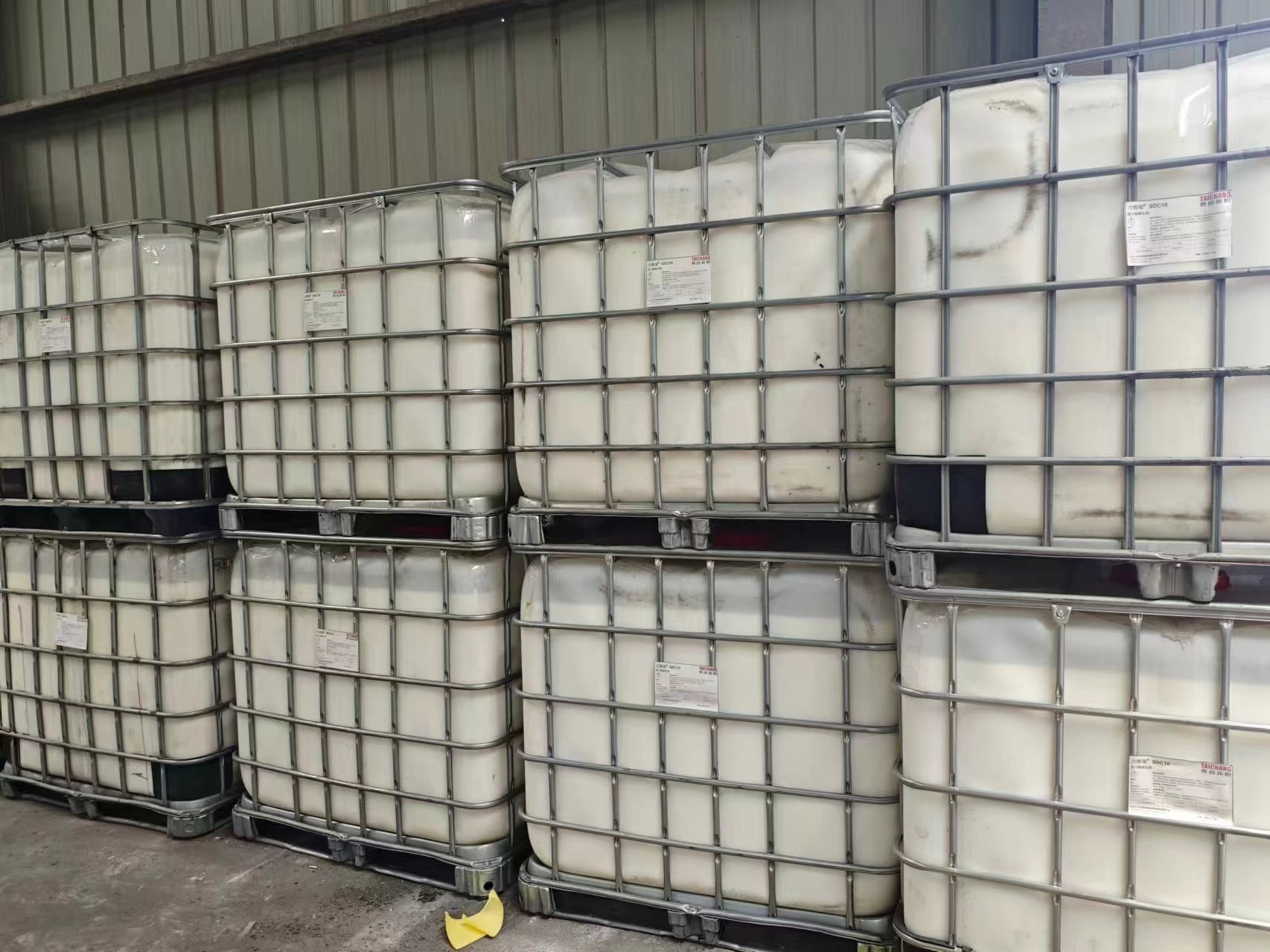
When sandy or silty ground loses cohesion, rainfall and wind quickly detach particles, leading to rill erosion, dust plumes, and slope failures. Natural polymers such as xanthan gum, guar gum, chitosan, and sodium alginate work by adsorbing onto particle surfaces and forming interparticle bridges through hydrogen bonds and electrostatic interactions. These long-chain molecules create a flexible, water-retentive network that holds grains together during wet-dry cycles, reducing surface slumping and maintaining a stable matrix even at low dosages of 0.5% to 2% by dry soil weight.
The binding effect is not purely mechanical. Biopolymer solutions also increase the viscosity of soil pore water, which slows infiltration and gives finer particles time to settle into a denser packing. This alters the soil's Atterberg limits and improves its resistance to shear. Field applications on cut slopes and unpaved haul roads have demonstrated noticeable reductions in sediment loss and dust generation, while still allowing vegetation to establish because the polymer film remains breathable and gradually degrades without leaving toxic residues.
What Happens When Loose Aggregate Meets a Plant-Based Binder
When a plant-based binder is poured over clean, dry aggregate, the first thing you notice is how quickly the liquid disappears into the spaces between stones. There is no harsh chemical odor, just a faint earthy smell as the binder begins to coat each piece from edge to edge.
Within a few hours, the loose mix starts to stiffen. The binder does not glue the stones into a solid block the way cement would. Instead, it creates a network of flexible contact points. As moisture from the binder evaporates and the natural polymers cross-link, the surface becomes firm enough to walk on but still allows water to pass through the gaps.
Over the next day or two, the color of the aggregate deepens slightly, and the loose crunch underfoot is replaced by a quiet, stable surface. If you press a thumb into the edge, it resists without cracking. That balance between hardness and permeability is what makes plant-based binders appealing for paths, driveways, and erosion-prone slopes.
Matching Binder Formulations to Different Soil Textures
Matching binder chemistry to soil texture starts with how water moves through the profile. Sandy soils drain quickly and lack natural cohesion, so formulations with longer polymer chains and higher viscosity—often based on modified cellulose or polyvinyl acetate—help bind loose grains into a stable matrix. Clay-heavy soils, by contrast, need binders that reduce plasticity and prevent cracking during wet-dry cycles, such as low-molecular-weight lignosulfonates or acrylic copolymers that coat clay platelets without making the mix too stiff. Silty soils fall somewhere in between, responding well to emulsions that penetrate narrow pore spaces and improve aggregate stability without forming a surface crust.
Fine-tuning binder concentration to clay content often matters more than switching product families. A loam with 15–25% clay may only need a dilute application of a starch-based binder to hold aggregates together, while a sandy loam benefits from a bit more tackifier combined with a wetting agent to slow infiltration and improve bonding time. For heavy clays, adding a small amount of calcium chloride to a polymer binder can improve ion bridging and reduce shrinkage. These adjustments keep the soil workable during application and stable once cured, without over-stabilizing the surface.
Erosion Control That Works With Native Grasses and Shrubs
Erosion control isn't just about holding soil in place—it's about choosing plants that anchor slopes and streambanks while thriving in local conditions. Native grasses like switchgrass, little bluestem, and Virginia wild rye send roots down 6 to 10 feet, creating a living mesh that resists surface wash and shallow slides. Pair them with deep-rooted shrubs such as silky dogwood, ninebark, or fragrant sumac, and you get a two-layer defense: fibrous grass roots lock the topsoil, while woody roots stabilize the subsoil and slow water as it moves downhill.
What makes this approach work long-term is the match between plant architecture and site hydrology. On dry, sunny banks, warm-season grasses form dense clumps that break raindrop impact and trap sediment. In wetter draws or along drainage channels, shrubs like buttonbush and pussy willow handle periodic saturation and knit the soil with branching roots. Because these species evolved with local rainfall patterns, they need little irrigation or fertilizer once established—less runoff, less maintenance, and a slope that actually gets stronger each year.
Performance Through Seasonal Wet and Freezing Conditions
When roads turn slick with rain or glaze over with ice, most equipment struggles to keep its footing—but this unit was engineered to push through without hesitation. Its tread pattern sheds slush on every rotation, while the sealed drivetrain keeps moisture from creeping into critical bearings. We tested it repeatedly through late-autumn downpours and late-winter freezes, and each time it held its line as if the surface were dry.
The real difference shows up in freeze-thaw cycles, where standing water turns to jagged ice overnight and back to slurry by midday. Standard components seize or crack under that stress, yet the cold-rated seals and low-temperature lubricants here never stiffened or leaked. Even after six hours parked in a frozen puddle, the first crank fired instantly and the drive engaged without shudder.
What surprised our field testers most was the lack of performance drop-off. Traction stayed consistent from 35°F rain to 15°F black ice, with no need to swap tires or adjust pressure. That kind of reliability turns a seasonal hazard into just another operating condition—and lets you keep the work moving when others are chained up waiting for a thaw.
FAQ
It combines plant-derived polymers with a small amount of mineral activator. The exact blend shifts based on the soil's clay content and target strength, but the base is biodegradable and free of petrochemicals.
Clay soils tend to need a slightly higher dosage because the binder first flocculates the fine particles, then binds them into a cohesive matrix. Sandy soils usually show faster strength gain since the polymer bridges gaps between larger grains.
Once cured, the binder is inert and does not leach. During application it's water-based and low in volatile compounds, so surrounding vegetation and shallow wells are not at risk when used as directed.
Depending on soil type and dosage, unconfined compressive strength typically lands between 1.5 and 4 MPa after seven days. That supports footpaths, light vehicle access, and slope protection; for heavy haul roads, a thin aggregate cover is recommended.
Field tests show it remains stable through repeated wet-dry and freeze-thaw cycles. Because the cured binder is hydrophobic, water absorption stays below 2%, which limits frost heave and softening.
No, standard graders, rotovators, or pug mills can mix it in. A water truck and a smooth drum roller are usually enough for compaction. Application rates are adjusted with a simple jar test on site.
Yes, it is often used for slope facing and ditch lining. The binder creates a crust that resists surface erosion while still allowing some vapor transmission, so trapped moisture doesn't cause slumping.
It cuts embodied carbon by roughly 70-80% because the binder is dosed at 2-5% by weight instead of 8-12% for cement, and it avoids high-temperature kiln processing. It also extends the life of existing soil, reducing the need for imported aggregate.
Conclusion
Conventional ground improvement often leans on cement, but the noise, carbon footprint, and long-term rigidity that come with it are pushing site managers toward quieter methods. Eco Solution Soil Binder takes a different route, using natural polymers to knit unstable soils together without heavy machinery or extended curing times. When loose aggregate meets this plant-based binder, the result is a stable surface that still allows water to move through instead of pooling on top. The polymer chains wrap around individual particles, creating a flexible crust that resists rutting and dust without turning the ground into a brittle slab. For unpaved access roads, staging areas, or slope repairs, this means less downtime and fewer passes with a grader.
Not every soil reacts the same way, so the binder is matched to specific textures, from silty fines to sandy gravels. A clay-heavy site needs a different formulation than a decomposed granite pad, and adjusting the dilution rate or application timing can make a big difference in how long the stabilization lasts. The binder also pairs well with revegetation efforts: instead of smothering native grasses and shrubs under a synthetic crust, it holds the surface in place while roots establish, so erosion control becomes part of the landscape rather than a temporary patch. Seasonal performance matters too. In areas with repeated freeze-thaw cycles or prolonged wet periods, the treated zones stay intact because the polymer network flexes instead of cracking, and it does not wash out with spring runoff. That kind of resilience keeps maintenance crews off the site and keeps the soil where it belongs.
Contact Us
Contact Person: Helen
Email: [email protected]
Tel/WhatsApp: 86 18630661160
Website: https://www.roadmilestone.com/