

Earthing Switch: Top Tips for Safe Electrical Grounding
2026-01-22
Ever wondered how a simple device like an earthing switch can prevent catastrophic electrical accidents? In the world of electrical safety, proper grounding isn't just a recommendation—it's a lifesaver. At Lugao, we've seen firsthand how mastering earthing techniques transforms hazardous environments into secure workspaces. In this blog, we'll dive into the essentials of safe electrical grounding, sharing practical tips that go beyond the basics. Whether you're a seasoned electrician or a DIY enthusiast, these insights will equip you with the knowledge to handle grounding with confidence. Stay tuned to uncover the secrets behind effective earthing and how Lugao champions safety in every circuit.
Understanding the Basics of Earthing Switches for Enhanced Safety
Earthing switches play a crucial role in electrical systems by providing a safe path to ground for stored energy, which is essential during maintenance or fault conditions. Unlike simple disconnectors, these devices ensure that equipment is de-energized and discharged, minimizing risks like electric shock or arc flashes. By grounding conductive parts, they prevent accidental re-energization, making them a fundamental component for safeguarding personnel and infrastructure in power distribution and industrial settings.
What sets modern earthing switches apart is their integration with advanced safety protocols and automation. For instance, some models feature interlock mechanisms that prevent operation unless specific conditions are met, such as verifying circuit isolation. This proactive approach reduces human error and enhances reliability, offering peace of mind in high-voltage environments where split-second decisions matter. Their design often includes robust materials to withstand harsh conditions, ensuring longevity and consistent performance over time.
Beyond basic functionality, innovative earthing switches now incorporate features like real-time monitoring and remote operation capabilities. These additions allow for better control and visibility, enabling systems to adapt to dynamic electrical loads and potential hazards. By focusing on both operational efficiency and safety, these devices not only meet standard requirements but also push the boundaries of what's possible in protective engineering, making them indispensable for modern electrical safety strategies.
Key Safety Protocols When Operating Earthing Equipment
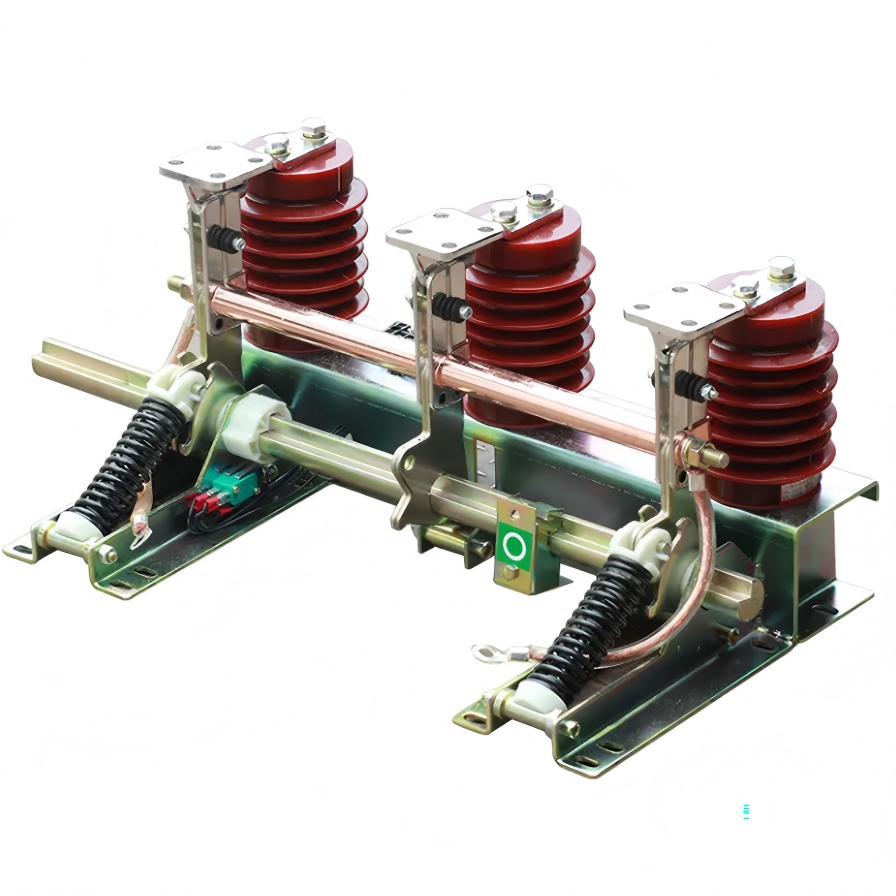
Operating earthing equipment demands strict adherence to safety protocols to prevent electrical hazards. Always start by verifying that the equipment is properly rated for the voltage and current involved. Conduct a thorough inspection of all components, such as clamps and cables, for signs of damage or wear before use. It's crucial to wear appropriate personal protective equipment (PPE), like insulated gloves and safety glasses, to shield against accidental shocks or arcs.
Another key aspect is ensuring a secure and reliable connection to the earth point. Clean the contact surfaces thoroughly to remove any dirt, corrosion, or paint that could impede conductivity. Use proper techniques, such as applying firm pressure with the earthing clamp, and double-check the connection with a multimeter to confirm low resistance. Additionally, always operate in dry conditions whenever possible, as moisture can compromise safety and increase the risk of electrical faults.
Beyond the physical setup, maintain constant vigilance during operation. Avoid working alone; having a teammate or supervisor present can provide immediate assistance in case of emergencies. Establish clear communication protocols to coordinate actions and signal any changes in conditions. After completing the task, carefully disconnect the earthing equipment in the reverse order of installation and store it properly to ensure it remains in good condition for future use, reinforcing a culture of safety in electrical maintenance practices.
Routine Maintenance Checks to Prevent Electrical Hazards
Staying on top of routine maintenance isn't just about keeping the lights on; it's a critical line of defense against electrical hazards that can lead to fires, equipment damage, or even serious injury. The goal here is to create a proactive checklist that goes beyond a simple visual once-over. This involves regularly scheduled inspections of electrical panels, outlets, and wiring to identify early warning signs like discoloration, unusual buzzing sounds, or that faint smell of ozone that often precedes trouble. Catching these issues early means you can address minor wear and tear before it escalates into a major, dangerous failure.
But effective maintenance isn't a one-size-fits-all task. Tailor your checks to the specific environment and equipment. For instance, in a damp workshop, focus on the integrity of GFCI outlets and look for moisture ingress in junction boxes. In an office packed with computers and printers, pay close attention to power strips and extension cords to ensure they're not overloaded or daisy-chained, a common but risky practice. Documenting each inspection with notes and photos creates a valuable historical record, helping you spot patterns or recurring issues that might otherwise slip through the cracks.
Finally, make these checks a collaborative effort. While a qualified electrician should handle complex repairs, empowering staff or household members to report flickering lights, warm switch plates, or tripping breakers builds a culture of safety. Combine scheduled professional assessments with this daily vigilance. This layered approach ensures that potential hazards are identified from multiple angles, drastically reducing the risk of an electrical incident and providing genuine peace of mind, knowing your systems are not just functional, but fundamentally secure.
Choosing the Right Earthing Switch for Your Setup
When setting up an electrical system, selecting the appropriate earthing switch is crucial for safety and reliability. It's not just about picking any switch; you need to consider factors like the voltage level, current capacity, and environmental conditions. For instance, in outdoor installations, a weather-resistant design might be essential to prevent corrosion and ensure long-term operation. Personal experience in the field has shown that consulting with manufacturers and reviewing on-site data can make a significant difference in avoiding costly mistakes.
A key aspect often overlooked is the switch's compatibility with your specific setup, such as whether it integrates seamlessly with existing protection devices. In workshops, we've seen cases where mismatched switches led to inefficiencies or even minor accidents. It's wise to evaluate the switch's mechanical durability and ease of maintenance, as frequent usage demands robust components that won't fail under stress. Drawing from real-world applications, testing prototypes in controlled environments before full deployment can reveal hidden issues that specifications alone might not cover.
Finally, don't forget to account for future expansions or upgrades in your system. An earthing switch that seems perfect now might become inadequate if you plan to scale up operations. Engaging with peers in industry forums has provided insights into how adaptable designs can save time and resources down the line. Ultimately, a thoughtful approach, balancing technical requirements with practical experience, will lead you to the right choice that enhances safety and performance for years to come.
Common Mistakes to Avoid During Grounding Procedures
One of the most frequent slip-ups is assuming that a simple wire connection is enough, without verifying the resistance levels. This oversight can lead to ineffective grounding, leaving equipment vulnerable to electrical surges. It's crucial to regularly test grounding systems with proper tools to ensure they meet safety standards. Don't just rely on visual checks; actual measurements can reveal hidden issues that might compromise the entire setup.
Another common mistake involves using outdated or incompatible materials, leading to corrosion and poor conductivity over time. When dealing with different environments, like moist or industrial areas, selecting the right type of connectors and conductors is key to maintaining a reliable ground. Upgrading components based on current conditions can prevent failures that often go unnoticed until a critical incident occurs.
Lastly, many overlook the importance of proper documentation and periodic reviews of grounding procedures. Skipping this step can result in inconsistent practices and missed compliance updates. Establishing a clear maintenance schedule and keeping records helps track changes and ensures that everyone involved follows the latest guidelines, reducing risks in the long run.
Advanced Techniques for Optimal Electrical Ground Performance
When it comes to achieving peak electrical ground performance, one often overlooked but crucial technique is the strategic use of multiple grounding rods arranged in a grid-like pattern. This approach, known as a grounding grid, distributes fault currents more evenly and reduces soil resistance, which can be particularly effective in areas with poor conductive soil. By spacing rods at distances equal to their length, you create a low-impedance path that enhances safety and stability, while minimizing the risk of voltage spikes that can damage sensitive electronics.
Another advanced method involves the application of chemical ground enhancement materials (GEMs) to improve soil conductivity around grounding electrodes. These materials, such as bentonite clay or conductive backfill, are mixed into the soil to lower its resistance, ensuring a more reliable ground connection even in arid or rocky environments. It's essential to select the right GEM based on local soil conditions and environmental factors, as this can significantly boost performance by up to 50% compared to traditional methods, making it a game-changer for critical installations like data centers or power substations.
For high-demand applications, integrating surge protection devices (SPDs) directly into the grounding system can further enhance performance by diverting transient overvoltages away from equipment. This technique not only safeguards against lightning strikes or power surges but also complements the ground grid by providing a secondary path for fault currents. When combined with regular testing using methods like fall-of-potential testing, it ensures that the ground system remains optimal over time, adapting to changes in soil moisture or equipment loads without compromising safety or efficiency.
FAQ
An earthing switch is a safety device that connects an electrical circuit to the ground, effectively discharging any residual current or voltage. It's vital because it prevents electric shock hazards, protects equipment from damage during faults, and ensures safe maintenance by creating a secure path for stray electricity to dissipate, reducing the risk of fires or injuries in industrial and residential settings.
Earthing switches should be inspected at least annually, but more frequent checks—like every six months—are recommended in high-usage or harsh environments. Maintenance involves testing resistance, cleaning connections, and checking for corrosion or wear. Neglecting this can lead to failures during critical moments, so regular upkeep is key to reliability and safety.
No, an earthing switch complements but doesn't replace other safety measures. It works alongside circuit breakers (which interrupt current flow during overloads) and insulation (which prevents contact with live parts). Think of it as part of a layered defense: earthing handles grounding, while breakers and insulation address different aspects of electrical protection for comprehensive safety.
Common mistakes include improper grounding (e.g., using weak or corroded connections), incorrect placement away from fault points, and failing to verify switch operation after installation. Also, using undersized cables or ignoring local electrical codes can reduce effectiveness. These errors often stem from rushing or lack of expertise, highlighting the need for professional installation.
Immediate deployment is crucial during electrical maintenance or repairs to isolate and ground circuits, preventing accidental energization. It's also essential after a fault or surge to discharge residual energy, and in environments with flammable materials to avert sparks. In emergencies like storms or equipment failures, activating the switch can be a lifesaver by stabilizing the system.
Materials like copper or aluminum alloys enhance conductivity and corrosion resistance, while robust designs (e.g., sealed enclosures or heavy-duty contacts) improve durability in outdoor or industrial settings. A well-designed switch with features like easy operation indicators lasts longer and performs reliably, reducing maintenance needs and ensuring consistent safety in varying conditions.
For home use, prioritize compact size, ease of installation, and compliance with residential codes. In industrial settings, look for higher voltage ratings, rugged construction, and features like remote operation or fault indicators. Always check certifications (e.g., UL or IEC standards) and consult specifications to match the switch to the environment's demands, avoiding over- or under-specification.
Conclusion
Earthing switches are essential for electrical safety, ensuring systems are grounded during maintenance or faults. Understanding their basics involves recognizing how they divert current away from equipment, protecting both personnel and infrastructure. Key safety protocols, such as verifying switch ratings and following lockout-tagout procedures, are crucial to prevent accidents. Routine maintenance, including visual inspections and testing for corrosion or wear, helps identify potential hazards early. Choosing the right switch, based on factors like voltage levels and environmental conditions, ensures optimal functionality and durability.
Common mistakes, like improper installation or neglecting regular checks, can compromise grounding efficiency and lead to dangerous situations. Advanced techniques, such as integrating smart monitoring systems or using low-resistance materials, can enhance performance and reliability. By combining these strategies—deep knowledge, strict adherence to safety practices, consistent upkeep, careful selection, error avoidance, and innovative approaches—optimal electrical grounding is achieved, reducing risks and ensuring long-term system integrity.
Contact Us
Contact Person: Doreen
Email: [email protected]
Tel/WhatsApp: 8618057712366
Website: https://www.liugaopower.com/