

China UV Piezo Inkjet Printer: Redefining Precision and Performance in Digital Printing
2026-07-01
In the fast-evolving world of digital printing, precision and performance aren't just goals—they're expectations. But what if a single printer could consistently exceed them? Enter Danmajet, a name that's quietly redefining what UV piezo inkjet technology can achieve. With roots in Chinese innovation and a focus on real-world results, this isn't just another printer—it's the answer to bottlenecks that have held your business back. As we peel back the layers of its design, you'll discover how it tackles challenges other machines ignore. Stay tuned.
Piezo Printhead Mechanics: The Science Behind Sharp Details
At the heart of every piezo printhead lies a crystal that flexes under voltage—this isn't just a switch, it's a microscopic actuator. When a charge hits the piezoelectric element, it deforms, squeezing a droplet of ink through a precision nozzle. The timing and scale of this deflection are astonishingly tight, with pulses lasting mere microseconds. This mechanical precision allows for drop volumes measured in picoliters, meaning every tiny dot lands with deliberate intent. The interplay between voltage curve, crystal shape, and ink viscosity shapes how the liquid shears and separates, directly defining edge sharpness and grain-free gradients.
Layering dots into an image demands more than rapid-fire ejection; it requires control over the droplet’s trajectory and impact. The waveform driving the piezo isn't a simple spike—it's carefully sculpted to dampen residual vibrations, eliminate satellite drops, and stabilize the meniscus between cycles. Engineers tune these pulses almost like musical notes, adjusting slew rates and dwell times so each nozzle fires consistently, even at high frequencies. That uniformity across hundreds of nozzles is what prevents banding and keeps fine text readable, while also enabling subtle tonal transitions that mimic continuous tone.
Behind the crisp details is a continual balancing act against fluid dynamics. Ink doesn't simply squirt out; it must stretch, break cleanly, and fly straight while overcoming surface tension and air resistance. The printhead’s internal geometry—from the ink chamber to the nozzle plate—is machined with sub-micron tolerances to foster laminar flow and minimize turbulence. This tight orchestration of material science and precision engineering means that every dot is a negotiation between physics and design intent, giving you the clean edges and smooth fills that laboratory microscopes and handheld loupes alike can appreciate.
Instant Curing: Why UV Light Transforms Digital Printing
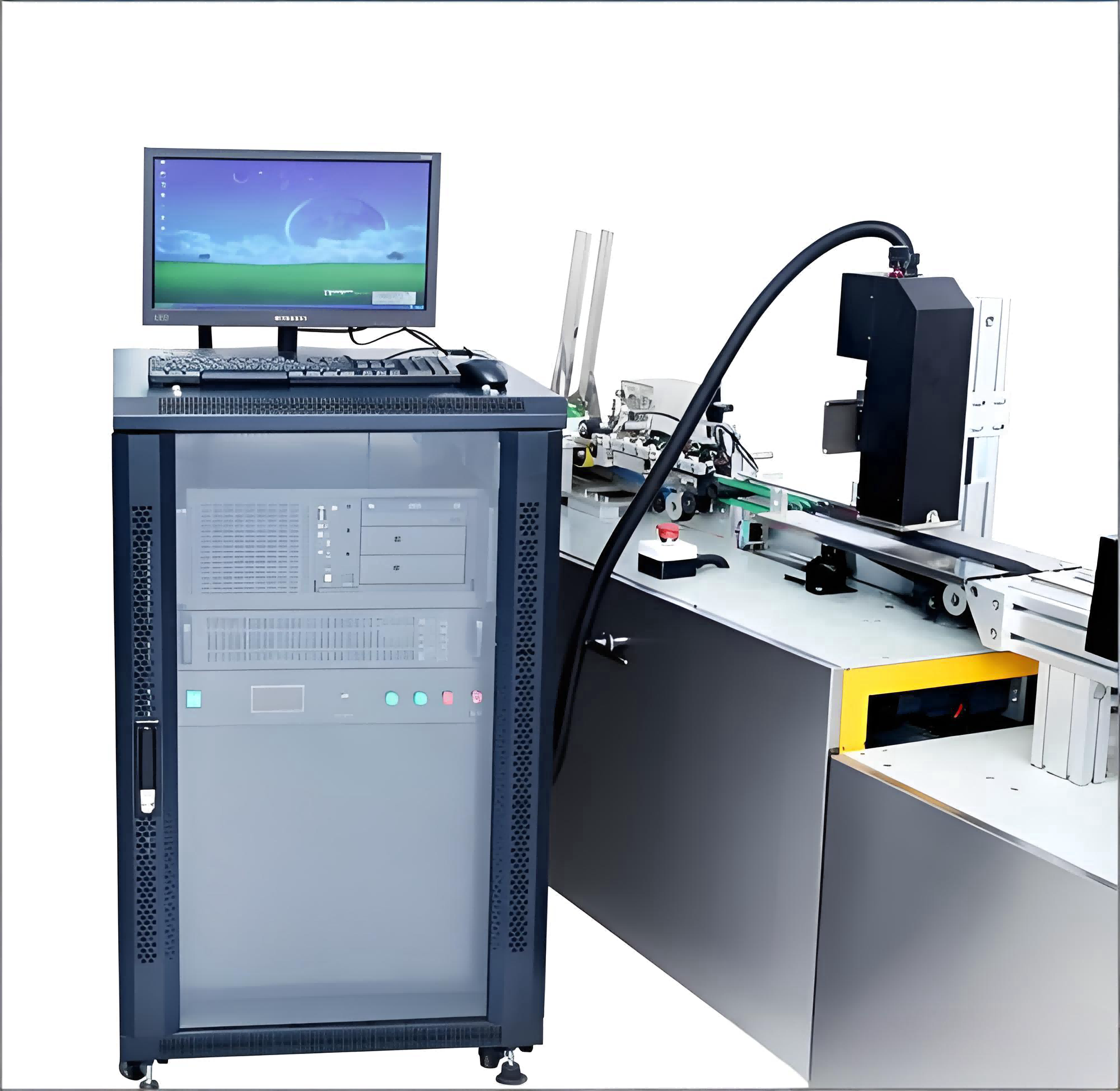
The shift from traditional drying methods to UV curing in digital printing is nothing short of a production line revolution. Instead of waiting for inks to air-dry or relying on heat, UV light triggers an immediate chemical reaction that hardens the ink the moment it hits the substrate. This eliminates the bottleneck of drying time, allowing prints to be handled, cut, or finished straight off the press—something that’s simply not feasible with solvent or water-based systems.
Beyond speed, UV curing opens up a world of material possibilities that were previously off-limits. Because the ink solidifies on contact without being absorbed, you can print on non-porous surfaces like glass, metal, plastic, and foil with crisp, vibrant results. This expands digital printing into signage, packaging prototypes, and even decorative applications where durability and adhesion are critical, giving print shops a competitive edge far beyond standard paper jobs.
The real magic, however, lies in the quality of the output. UV-cured inks sit on top of the substrate rather than soaking in, which means dots stay defined, colors stay bright, and fine details don’t get muddied. Add to that the environmental benefit—fewer volatile organic compounds released compared to solvent evaporation—and it’s clear why UV has become the go-to method for anyone looking to push digital printing past its old limitations.
Designed for High Volumes: Speed Meets Dependability
When every second counts and downtime isn't an option, our systems are built to thrive under pressure. We've engineered a solution that doesn't force you to choose between raw speed and rock-solid stability—you get both, even when transaction volumes spike.
The secret lies in an adaptive core that dynamically balances loads and reroutes tasks in real time. Redundant pathways and intelligent failover mechanisms ensure that a surge in demand never turns into a slowdown, keeping your operations smooth and your data safe without manual intervention.
Chinese Engineering: From Assembly Line to Innovation Hub
Not long ago, the phrase “Made in China” conjured images of sprawling factories churning out low-cost goods for the world. The country served as the planet's assembly line, where skilled hands and efficient supply chains turned foreign designs into tangible products. It was a model built on scale, speed, and affordability—a phase that fueled rapid economic growth but left little room for original engineering. That picture, however, has been steadily redrawn.
Today, China is increasingly defined by its own technological leaps. Take high-speed rail: the network stretches tens of thousands of kilometers, much of it developed through domestic innovation rather than borrowed blueprints. In telecommunications, homegrown standards have propelled 5G deployment, while mobile payment ecosystems have reshaped daily commerce. These breakthroughs didn’t emerge from a vacuum—they were backed by deliberate investment in R&D, a growing pool of engineering talent, and a willingness to experiment at scale. The assembly line hasn’t disappeared, but it now runs alongside labs and design studios creating products that compete on ingenuity, not just price.
The shift hints at a broader ambition: to lead rather than follow. From electric vehicles that reimagine mobility to space missions that expand national reach, Chinese engineering is staking its place in the front ranks. The journey hasn’t been without missteps or criticisms, but the trajectory is clear. What was once a workshop for the world is transforming into a hub where the future is being actively built.
Substrates Without Limits: Tackling Glass, Wood, and Textiles
Printing directly onto glass, wood, or fabric once meant choosing between durability and detail. Glass demanded adhesion without clouding, wood absorbed ink unpredictably, and textiles bled or faded after a few washes. Modern formulations have quietly erased those trade-offs. Today’s inks bite into smooth surfaces, bond with porous grains, and flex with woven threads—all while staying crisp under stress, moisture, and time. The secret isn’t a single breakthrough but a careful layering of chemistry: primers that bridge gaps between ink and material, pigments that hold fast without stiffening, and curing methods that lock everything in place at the molecular level.
Working across such varied substrates still feels like threading a needle with your non-dominant hand. Glass wants a surface so clean it would reject a fingerprint; wood greedily soaks up thin inks yet resists heavier bodies; textiles need to move without cracking the print. Temperature control becomes critical—too much heat warps a wooden panel, too little leaves fabric tacky. Humidity swings change how wood expands mid-job, and a slight static charge on glass can scatter fine droplets into a ghost haze. Mastering these quirks means learning to read the material’s signals and adjusting on the fly, not just following a preset recipe.
The payoff shows in the results: a glass storefront with graphics so transparently embedded they seem part of the pane itself; a wooden sign where the print deepens the natural grain instead of hiding it; a cotton banner that holds its saturation after years of sun and laundering. Beyond the visible, these capabilities encourage designers to abandon the limits of paper and vinyl, mixing substrates in ways that feel intentional rather than forced. When you can trust ink to behave on almost anything, the boundary between medium and message starts to dissolve—and that’s where the real creative freedom begins.
Running Costs That Make Sense: Efficiency in Every Print
When evaluating printing solutions, the initial purchase price often distracts from what truly drains budgets over time—the cumulative cost of consumables, maintenance, and energy. A printer with a low upfront cost can turn into a money pit if each page costs a fortune in ink or toner. Sensible running costs mean that every print, from a simple monochrome document to a vibrant color graph, contributes value without silently eroding your bottom line. Devices designed with high-yield cartridges, user-replaceable maintenance parts, and duty cycles that match real-world usage don’t just print; they respect the flow of your finances.
The efficiency equation goes far beyond cost-per-page metrics printed in spec sheets. It thrives in the day-to-day: a printer that wakes from sleep in seconds but sips power the rest of the time, or one that automatically duplexes to cut paper use by nearly half without any extra effort from busy staff. True efficiency is when a machine predicts its own wear and alerts you to swap a component before it causes a costly malfunction. This proactive, waste-reducing design means resources aren’t poured into emergency repairs, and supplies aren’t exhausted prematurely by poorly optimized print engines. It’s a harmonious balance where technology serves both the work and the wallet.
A clear-headed approach to running costs also embraces the flexibility to adapt. Businesses evolve, and print volumes can swing wildly from month to month. A printing fleet that locks you into rigid, high-overhead contracts or requires proprietary, overpriced replacements quickly becomes a liability. Instead, look for devices that offer transparent management tools and compatible alternatives without compromising quality. When every print makes sense, the printer stops being a source of hidden expense and starts being a reliable, predictable partner—one that delivers crisp, professional output while keeping financial surprises at bay.
FAQ
Unlike conventional techniques that rely on screens or plates, these printers jet ink directly onto surfaces and cure it instantly with UV light. That means way fewer setup steps, almost zero waste, and the ability to print on textures and shapes that would stump older methods.
Piezo printheads flex tiny crystals to eject ink droplets with exact control over size and placement. You get perfectly round dots even at high speeds, which keeps fine text and gradients crisp — no blurred edges or satellite drops.
Absolutely. Rigid boards, flexible films, glass, metal, even wood or leather — if it can sit flat or be fed through, the UV curing bonds instantly to the surface. It’s a go-to for sign makers, interior decorators, and product decorators who work with mixed substrates.
Yes, many models are built for 24/7 duty cycles. With automated feeders, belt systems, and large-format beds, they slot right into production lines. Throughput often rivals traditional screen presses but with the flexibility of variable data.
It’s mainly about keeping the printheads clean and the ink flowing. Automatic capping stations and daily purge routines handle most of it. Occasional manual swabbing and a dust-free environment go a long way — neglect leads to clogs, but it’s far from a high-maintenance pain.
UV inks are solvent-free, so there are no VOCs evaporating into the air. Instant curing also means you’re not running energy-hungry drying ovens. And since prints are nearly dry on contact, there’s less scrap from smudging — less waste overall.
Inks cost more per liter than solvent alternatives, but you use less because there’s no evaporation loss. Prints resist scratches, chemicals, and outdoor fading for years without lamination, which saves on post-processing. For long-term signage or industrial labels, the durability often pays for the ink investment.
Most units talk standard protocols (like RIP software) and can be sized to match conveyor speeds. The learning curve is short for operators used to wide-format gear. If you’ve got a decent prepress workflow already, adding one isn’t a major upheaval.
Conclusion
The China UV piezo inkjet printer combines a finely tuned piezo printhead with instant UV curing to deliver sharp, consistent output. Piezoelectric crystals control droplet formation with high accuracy, enabling crisp details on even the trickiest surfaces. UV light immediately solidifies the ink, so there's no bleeding or smudging, and colors stay vivid. This approach thrives in high-volume settings: printers keep pace without sacrificing precision, thanks to robust engineering that reflects a shift from basic assembly to genuine innovation. Chinese manufacturers have evolved from copying to creating, blending mechanical finesse with smart automation for dependable, round-the-clock performance.
What truly sets these systems apart is their material flexibility and cost awareness. They print on glass, wood, and textiles just as effortlessly as standard paper, opening doors to custom packaging, decor, and industrial applications. The secret lies in adaptive ink formulations and jetting profiles that handle diverse substrates without downtime. On the financial side, the piezo printhead lasts significantly longer than thermal alternatives, and instant curing slashes energy use by eliminating drying units. Ink waste drops because firing is so precise, and overall running expenses make sense for both short runs and bulk orders. It's a practical, forward-thinking package that quietly repositions Chinese digital printing on the global stage.
Contact Us
Contact Person: Jacky
Email: [email protected]
Tel/WhatsApp: 086 15000607053
Website: https://www.danmajet.com