

China Treadmill: How to Choose the Right Model Without Overspending
2026-09-08
Buying a China treadmill online often means choosing between suspiciously cheap knockoffs and overpriced machines loaded with gimmicks you'll never use. The real challenge isn't finding a treadmill—it's finding one that won't break down in six months or drain your bank account. In this guide, we strip away the marketing fluff and focus on the specs that actually predict longevity and comfort. We'll also point you toward Yingruis, a brand that proves you don't need to overspend to get a solid, dependable machine.
Look Past the Horsepower Hype
Numbers on a spec sheet rarely tell the whole story. A car can boast three hundred horsepower yet feel sluggish off the line if its torque curve peaks too late or the gearbox hesitates. Real-world responsiveness comes from how power is delivered across the rev range, not just the headline figure.
Weight matters just as much as output. A lighter chassis with modest horsepower often outruns a heavier, higher-powered rival through corners and in everyday traffic. It is the power-to-weight ratio, not raw horsepower, that shapes how eager a car feels when you press the throttle.
Chassis tuning and drivetrain calibration can transform the same engine into entirely different experiences. Two cars with identical horsepower can feel worlds apart depending on suspension damping, steering feedback, and how the traction control intervenes. Drive before you judge by numbers alone.
Test the Deck Size Against Your Real Stride
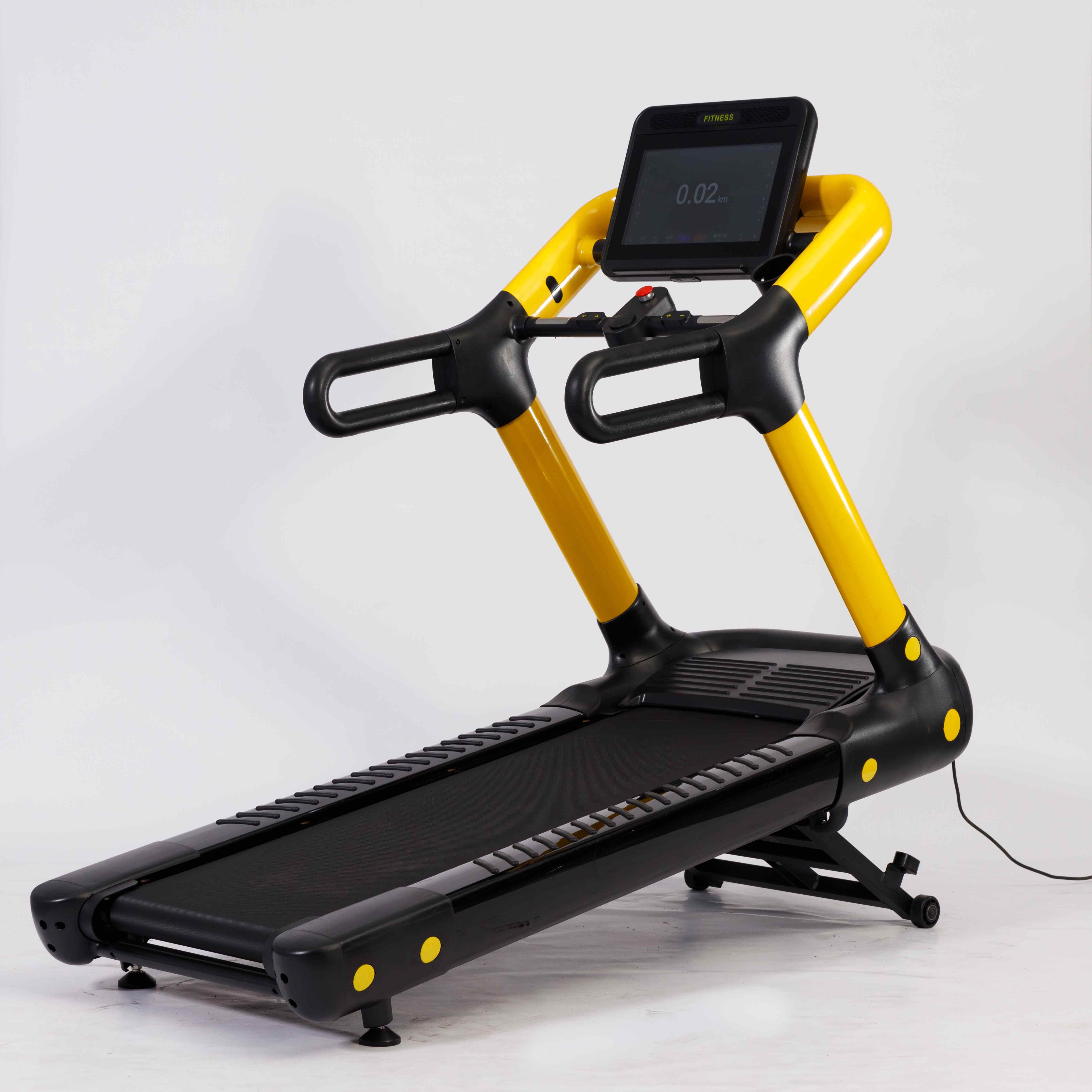
Most riders pick a deck by shoe size, but your natural stride matters just as much. Stand with your feet shoulder-width apart and measure the distance between the center of each foot. That spacing is the baseline your deck needs to support without forcing you into an awkward, tippy stance. A deck that is too narrow will have your heels and toes hanging over the edges during a push, while one that is too wide can make it harder to shift weight quickly when you need to carve or brake.
Take the deck outside and actually push it on a flat stretch instead of just standing on it in a shop. Pay attention to where your front foot lands after each push and whether your back foot can find a stable spot on the tail or kick without hunting for it. If you notice your stride opening up or shortening just to stay balanced, the deck is fighting your natural gait. A good match should let you keep the same relaxed, rolling push you would use on a long walk.
Use that feedback to fine-tune the setup rather than forcing yourself to adapt. Riders with a longer stride often benefit from a slightly longer wheelbase, while a shorter, quicker stride pairs better with a tighter deck and smaller kicks. Test different truck widths as well, since a deck that feels dead underfoot may just need wider hangers to match your stance. The goal is a board that disappears beneath you, leaving only the rhythm of your stride and the road.
Cheap Treadmills Often Hide Expensive Shipping Fees
A treadmill listed at $199 might catch your eye, but the real cost often shows up at checkout. Many budget retailers advertise rock-bottom prices and then quietly tack on shipping charges that can reach $150 or more. Since treadmills are heavy and bulky, carriers treat them as freight, not standard parcels. That fee isn't always visible until you're about to pay, turning a seemingly unbeatable deal into a much less attractive one.
Some sellers split the difference by offering “free shipping” but raising the base price, while others use third-party delivery services with unpredictable fuel surcharges. The worst offenders bury the cost in the fine print, hoping you'll click buy before noticing. Always check the delivery zip code estimate before comparing two treadmills side by side—one may appear cheaper on the product page but cost far more once the treadmill actually reaches your door.
A practical habit is to add the item to your cart and start the checkout process without completing it. That reveals the true shipping total, including any “liftgate service” or “inside delivery” fees that apply to basement or garage setups. If the final amount jumps by 30% or more, the treadmill wasn't a bargain to begin with.
Cushioning Can Make or Break Your Joints
The right amount of cushioning in your shoes does more than just soften each step—it actively influences how forces travel through your ankles, knees, and hips. Too little cushioning can leave joints absorbing repeated impact, leading to stiffness and soreness after long walks or runs. On the other hand, excessive softness may reduce stability, forcing your muscles to work harder to control motion and potentially straining the connective tissues around the joints.
Finding the sweet spot means matching cushioning to your activity type and foot mechanics. Runners who land heavily on their heels often benefit from slightly firmer midsoles that guide the foot through a smoother transition, while those with a lighter forefoot strike may prefer a more responsive, lower-profile feel. The goal is not maximum plushness, but a balance that keeps impact forces below the threshold where your joints start complaining.
Pay attention to how your body feels after swapping shoes. If your knees ache after switching to a minimal design, that's a sign the cushioning was doing important work. If your ankles feel wobbly or your arches tire quickly in a highly cushioned trainer, you may be sacrificing too much ground feedback. Small adjustments in stack height or foam density can make a noticeable difference in joint comfort over time.
Warranties Reveal More Than Marketing Copy
A company’s warranty often says more about its confidence than any brochure ever could. Marketing copy can promise the moon, but warranty terms reveal where the fine print hides real limitations. Look past the bold claims of “lifetime coverage” and check what actually gets excluded—shipping costs, wear parts, or specific failure modes. These details expose how a brand truly treats its customers after the sale.
Warranty duration and transferability also signal product durability. A two-year warranty might be standard for a budget item, while a ten-year warranty on a mechanical component suggests engineering built to last. But beware of warranties that only apply if you register within 30 days or use certified installers—such hoops often deter legitimate claims. Compare rival warranties side by side, and you’ll quickly spot which manufacturer stands behind its work rather than hiding behind loopholes.
Perhaps most telling is how a warranty is honored. A fast, no-questions-asked replacement process builds trust far beyond any ad campaign. On the flip side, a company that demands original receipts, long repair wait times, or multiple approval steps reveals a culture of avoiding responsibility. Before you buy, search for real customer experiences with warranty claims—those stories cut through the polished language and show you exactly what you’re really getting.
Skip the Built-In Screen, Keep Your Tablet
Plenty of gadgets still ship with a built-in screen that adds cost and bulk but doesn't do anything your tablet can't handle better. A smart home control panel, a car head unit, a baby monitor base station—these all tuck a small, often mediocre display into a box when you probably have a brighter, faster panel already sitting on your couch.
The sticky part is software. Built-in screens usually run a stripped-down interface that updates rarely and breaks when the manufacturer loses interest. Your tablet gets OS updates, supports the apps you already use, and lets you rearrange the layout to match how you actually live. When the device's screen goes bad, you replace the tablet, not the whole setup.
There's a clutter angle too. One tablet can rotate through several jobs: kitchen recipe board in the morning, meeting monitor in the afternoon, white noise player at night. You skip the extra cables, stands, and wall warts that come with dedicated screens. That's less stuff to dust and fewer batteries to eventually recycle.
FAQ
Peak horsepower claims. Many brands advertise a high peak number that the motor only hits for a second during sudden speed changes. The continuous duty rating—often listed as CHP—is what tells you how it performs over a 30-minute jog. For walking or light running, 2.0 to 2.5 CHP is plenty.
Durability depends less on the brand name and more on the frame and belt quality. Look for a steel frame that doesn't flex when you lean on the side rails, and a belt that's at least two-ply. Reading long-term reviews from people who have used the machine daily for six months or more is far more revealing than the spec sheet.
Unless you're over six feet tall or plan to sprint, a belt around 50 cm wide and 130 cm long is comfortable for most people. Going bigger adds cost and takes up floor space without giving much benefit for walking or jogging. Try to match the deck to your stride rather than buying the largest option by default.
Generic models often share the same silhouette, console layout, and even the same photos across multiple store listings. If you can find the same machine under three different brand names at different prices, you're paying for a label. Stick to sellers that offer a physical address, a real warranty, and customer service that responds in your language.
Incline adds genuine training variety and costs little to manufacture, so a small manual incline is worth a slight bump in price. However, preset programs are mostly software flash. You can replicate them by adjusting speed yourself. Save your money for better cushioning or a stronger motor instead.
Around $600 to $900 gets you a machine with a decent continuous-duty motor, a stable frame, and a two-year parts warranty. Below $400, you're usually compromising on motor quality or belt thickness. Above $1,200, you're often paying for touchscreen extras or brand markup rather than core reliability.
Check the voltage and plug type before ordering. Reputable exporters list both, and many offer dual-voltage models for international buyers. Also look for CE, RoHS, or UL certification marks in the product photos. Genuine certification means the wiring and motor insulation meet safety standards, which is not something to skip on a moving machine.
Direct factory pricing looks tempting, but shipping, customs, and import duties often erase the savings. A local distributor may charge more upfront but handles returns, replacement parts, and warranty claims. If something breaks six months in, having a domestic point of contact can save you more than the price difference.
Conclusion
When you're browsing China-made treadmills, the spec sheet can feel like a trap. That 3.5 HP peak number? It means very little in real use—continuous duty rating matters more, and most home workouts never approach the advertised peak. Instead, pay attention to whether the belt actually fits your body. If you're over six feet tall or run with a long stride, a 50-inch deck will leave you shortening your gait, which is uncomfortable and risky. Also, check the total price before you click buy. A $400 treadmill with a $180 shipping fee isn't the bargain it looks like, and some sellers bury that cost until checkout.
Cushioning is another area where cutting corners backfires. Hard decks transmit more shock to your knees and ankles, while a soft, springy feel can mask instability. Look for a middle ground—something that absorbs impact without feeling like a trampoline. Warranties are often a better clue than marketing language: if the frame has ten years but the motor only one, walk away. Finally, resist paying extra for a glossy touchscreen. Those built-in displays are often underpowered and quickly outdated. A simple console with a tablet holder does the same job and keeps your money where it belongs.
Contact Us
Contact Person: Owen Wu
Email: [email protected]
Tel/WhatsApp: 86-15376736259
Website: https://www.yingruisfit.com/