
China Metal Shredder: Revolutionizing Industrial Recycling Solutions
2026-05-07
Industrial recycling is undergoing a quiet revolution, driven by smarter, more powerful machinery. At the heart of this shift is the China metal shredder, redefining how we process scrap into valuable resources. As global demand for sustainable solutions intensifies, one name keeps surfacing among industry leaders—Shengzhong Shredder. But what makes this technology stand out in a crowded market? The answer lies not just in raw horsepower, but in a design philosophy that blends precision engineering with real-world practicality. Whether tackling mountains of aluminum or dense steel, these shredders are changing the economics of recycling. And the story behind their rise reveals much about the future of waste management.
The Rise of Intelligent Metal Shredding in China
The scrap metal recycling industry in China has undergone a quiet but profound transformation, driven by the integration of artificial intelligence and advanced sensor technology. Traditional shredding operations, once reliant on manual sorting and basic machinery, are now being replaced by smart systems capable of identifying and separating metals at a granular level. These intelligent shredders use near-infrared sensors and machine learning algorithms to distinguish between different alloys, removing impurities on the fly and dramatically boosting the purity of recovered materials. As a result, recycling plants are achieving higher throughput with fewer resources, signaling a significant leap forward for a sector that has long struggled with inefficiency.
This shift is not merely technological—it reflects a broader national push toward sustainable industrial practices. China’s tightening environmental regulations and the growing demand for high-grade recycled metals in manufacturing have accelerated adoption. In major hubs like Jiangsu and Guangdong, facilities are being retrofitted with automated shredding lines that can self-adjust based on real-time data, optimizing energy consumption and minimizing waste. The data collected by these systems also feeds back into upstream supply chains, enabling better forecasting and cleaner feedstock procurement. It’s a feedback loop where smarter shredding is reshaping the entire recycling ecosystem, from collection to end-user.
Beyond the factory floor, the rise of intelligent metal shredding is creating new economic opportunities. Domestic equipment manufacturers, once focused on low-cost machinery, are now developing proprietary control systems that rival foreign offerings. Skilled technicians who can manage and train these AI-driven systems are in high demand, spurring specialized training programs. Moreover, the consistent quality of output has opened doors to international markets that previously rejected Chinese recycled metals due to contamination concerns. As the technology matures, it is poised to redefine the global standards for scrap processing, with China emerging as an unexpected leader in this niche but crucial field.
Breaking Down Efficiency: How Advanced Shredders Transform Scrap
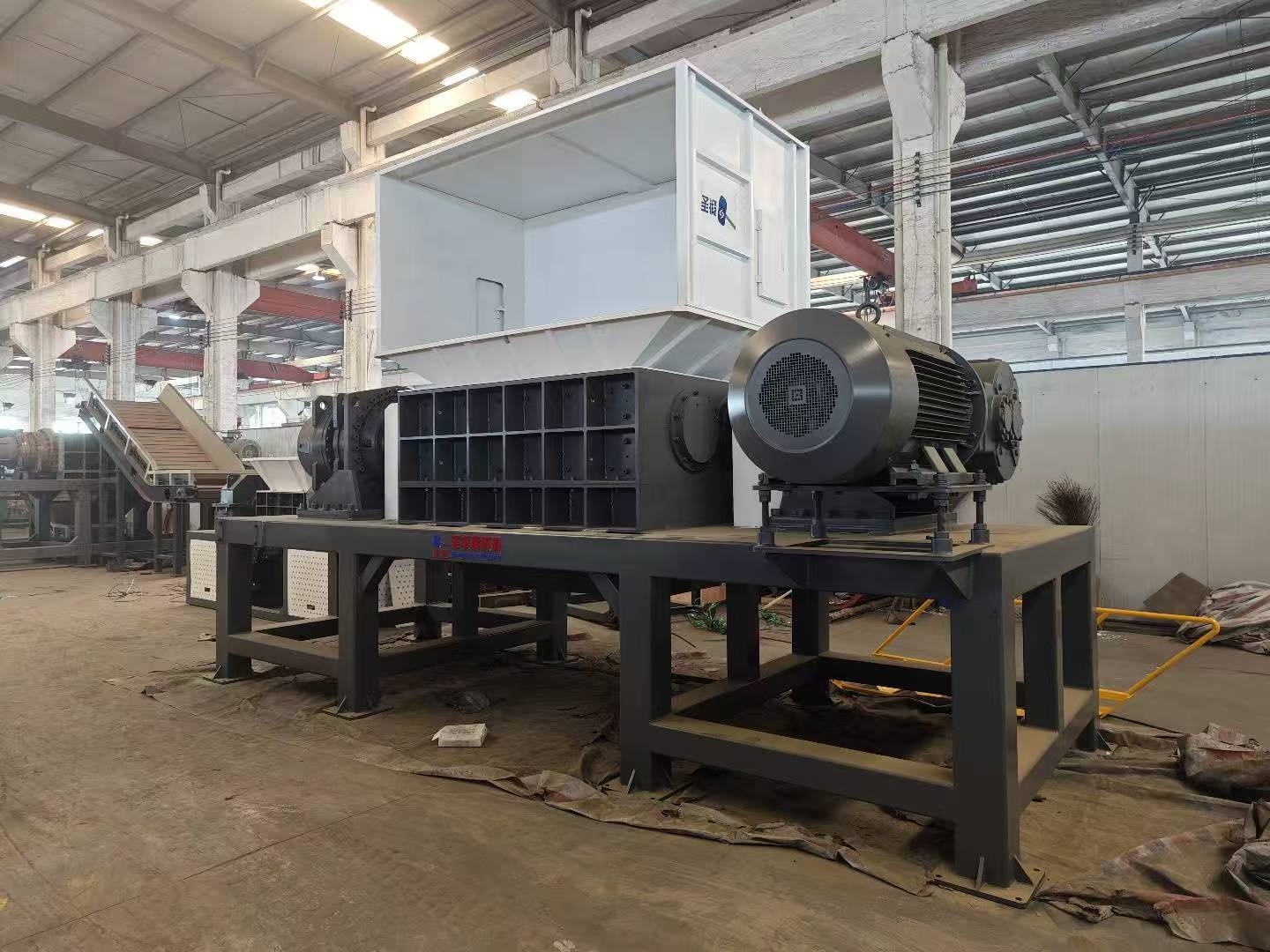
Modern scrap processing demands more than brute force. Advanced shredders now integrate adaptive torque control and multi-stage cutting chambers that adjust on the fly, swallowing mixed metal, plastic, and electronic waste without hiccups. This dynamic response slashes energy consumption by up to 40% compared to older single-speed models, while maintaining consistent particle size—a feat that keeps downstream separation equipment running at peak throughput.
The real transformation lies in data-driven precision. Embedded sensors track wear patterns on blades and automatically fine-tune feed rates to match load, preventing jams before they happen. When a shredder can distinguish between a thick steel plate and a fragile copper winding, it doesn’t just shred—it curates the resulting fragment sizes for maximum recovery value, turning what was once chaotic demolition debris into a predictable, high-grade feedstock.
Eco-Innovation at the Core: Reducing Waste, Not Performance
True eco-innovation doesn’t mean stripping away what makes a product great. It’s about rethinking materials, manufacturing, and design so that every element serves a purpose—without the excess. We’re moving beyond the simplistic trade-off between sustainability and high performance. Instead, we engineer systems where less waste actually enhances durability and function, proving that mindful reduction can drive better results.
Consider how modular architectures and advanced material science are reshaping industries. By designing components that can be easily repaired, upgraded, or repurposed, we drastically cut down on landfill contributions while extending product lifecycles. This isn’t about compromise; it’s about building smarter from the ground up. The outcome is gear and technology that perform at the highest level precisely because they’ve been stripped of unnecessary bulk and designed for longevity.
At the heart of this philosophy lies a simple truth: waste is often a sign of inefficiency. By targeting that inefficiency, we unlock innovations that benefit both the planet and the end user. Whether it’s precision manufacturing that leaves nearly zero scrap or packaging that doubles as functional protection, the goal remains consistent—deliver uncompromised performance while leaving behind a lighter footprint. That’s the kind of progress that feels seamless and inevitable.
Custom Shredding Systems for Every Industrial Challenge
Industrial shredding isn't one-size-fits-all. Every facility wrestles with its own mix of materials, throughput demands, and safety regulations. A textile recycler handling tough fabrics has little in common with an e-waste processor eating circuit boards. That's why we build each system from the ground up, matching cutters, rotors, and power trains to the exact character of your waste stream—not the other way around.
Our engineering approach starts long before metal touches metal. We immerse ourselves in your process, mapping out infeed quirks, output specs, and any downstream machinery that depends on consistent particle sizing. This close teamwork eliminates the gamble of off-the-shelf machines, replacing it with a shredding line that slots into your workflow like a missing gear. The result is less bridging in the hopper, fewer knife changes, and a steady rhythm on the floor.
Over the years we've delivered robust solutions for tricky challenges most vendors walk away from—soaking-wet green waste, abrasive composites, bulky furniture, delicate data tape. That library of real-world builds means we don't panic when your material doesn't fit a catalog. Whether you're chasing zero-waste targets or just trying to keep a trim system from jamming every afternoon, we'll tune the design until it runs exactly the way you need it to.
From Automotive to Appliances: The Versatile Reality of Modern Shredders
Shredders have evolved far beyond simple document destruction, now serving as a linchpin in industries ranging from automotive manufacturing to home appliance recycling. In car plants, industrial shredders break down production scrap and end-of-life vehicles into manageable fragments, separating steel, aluminum, and plastics with precision that manual sorting could never match. This process isn't just about trash reduction—it feeds a global supply chain where recovered metals become new engine blocks, and shredded plastics find their way into everything from carpet fibers to dashboard components.
But the story doesn't stop at the factory floor. Walk into any modern recycling facility, and you'll see these machines tackling a bewildering array of household appliances. Refrigerators, washing machines, and air conditioners are fed into powerful shredders that tear through insulation, compressors, and steel casings, liberating valuable materials while safely capturing dangerous gases like CFCs. What's remarkable is the adaptability of the same core technology: a shredder configured for a car door panel today can be adjusted tomorrow to handle the mixed plastic and metal of a dishwasher, achieving recovery rates that make closed-loop manufacturing a practical reality.
This versatility extends to more unexpected applications, like processing electronic waste and durable goods. The same principles that gut a pickup truck apply to dismantling a laptop or a lawn mower—just at different scales and with enhanced sorting add-ons. Recent innovations in shredder design, from smart torque control to multi-stage granulation, mean that even composite materials like carbon fiber or bioplastics can be broken down without contaminating the output streams. As manufacturers push toward circular economy goals, these machines are quietly redefining what's possible, proving that one piece of equipment can indeed bridge the gap between automotive giants and the humble kitchen blender.
Quiet, Safe, and Relentless: The Next Generation of Metal Recycling
Gone are the days when metal recycling meant deafening noise, flying sparks, and constant safety risks. The newest facilities operate with a hushed efficiency that surprises first-time visitors. Advanced shredders and sorting lines hum rather than roar, thanks to precision engineering and sound-dampening enclosures. Workers move through the plant with a calm confidence, surrounded by sensors that instantly halt machinery if anyone steps too close. It’s a workspace that feels more like a high-tech lab than a scrapyard.
This relentless new breed of machinery doesn’t just work quietly—it works constantly. Automated systems run 24/7 with minimal human intervention, using AI-driven optical sorters and magnetic separators that never tire. A stream of discarded appliances, car parts, and industrial scrap becomes a perfectly sorted cascade of copper, aluminum, and steel. The throughput is staggering, yet the error rate is near zero, reclaiming metals that older methods would have missed or sent to landfill.
Safety is baked into every layer of the process. Remote monitoring allows operators to oversee the entire line from a control room, while autonomous vehicles handle the heavy lifting. Dust suppression systems keep the air clean, and fire risk is slashed through continuous heat detection. The result is a recycling operation that doesn’t compromise on human well-being or environmental standards—quietly, safely, and relentlessly turning yesterday’s waste into tomorrow’s raw materials.
FAQ
China's push toward stricter environmental regulations and a booming manufacturing sector has driven heavy investment in shredding technology. Companies there have focused on high-torque, low-speed designs that cut energy use while boosting throughput. Plus, integration of smart monitoring systems allows real-time adjustments, which reduces jams and extends machine life.
They break down bulky scrap into uniform, fist-sized pieces in a single pass, which streamlines sorting and melting downstream. Advanced shredders now use adaptive rotor speeds and interchangeable cutters, so operators can handle everything from light sheet metal to thick beams without switching machines.
Pretty much anything ferrous or non-ferrous: steel, aluminum, copper, brass, even titanium alloys. The latest Chinese models are designed with multi-stage crushing chambers that tackle mixed loads—like car bodies with embedded wiring or white goods with foam insulation—without pre-sorting.
By focusing on energy recovery and dust suppression. Many units recapture kinetic energy during braking phases and feed it back into the grid. Water-mist systems and enclosed conveyors cut airborne particles by over 90% compared to older methods, and the machines themselves are built with recyclable components.
Sure. The Baosteel scrap processing center outside Shanghai runs a line of six heavy-duty shredders that collectively process over 2 million tons of scrap annually. The reclaimed steel goes straight into electric arc furnaces, cutting the mill's raw material costs by almost 30%.
Magnetic rotor bearings that eliminate friction losses, AI-driven predictive maintenance, and modular cutting tools made from a tungsten-carbide composite that lasts three times longer than traditional steel blades. Some factories now run 24/7 with less than 2% unplanned downtime.
They're built with ballistic separation chambers—after initial shredding, lighter contaminants like plastics get sucked into a vacuum stream while heavier metals drop onto a vibrating screen. For stuck-on debris, secondary hammer mills clean the metal fragments before they exit the line.
Automatic emergency stops with millisecond response times, full-perimeter light curtains, and remote-monitoring dashboards that flag abnormal vibrations or temperature spikes. Also, the heavy-duty enclosures are designed to contain any fragment ejection, even during catastrophic blade failure.
Conclusion
The transformation of industrial recycling in China has taken a decisive leap forward with the emergence of intelligent metal shredding systems. No longer confined to brute-force size reduction, modern shredders integrate advanced sensing and adaptive controls that optimize throughput while drastically cutting energy consumption. This rise of smart machinery—capable of self-adjusting to varying material densities and contaminants—has rewritten efficiency benchmarks. At the same time, the industry’s pivot toward eco-innovation means these high-performance units now operate with closed-loop dust suppression, noise-dampening enclosures, and rapid material separation modules, ensuring that sustainability never comes at the cost of productivity. The result is a new breed of shredder that meets stricter environmental regulations without sacrificing the relentless pace demanded by scrap yards and processing plants.
Beyond the core technology, what truly sets China’s advanced shredders apart is their versatility and customization. Whether dismantling end-of-life vehicles or pulverizing household appliances, configurable rotors, screen sizes, and feeding mechanisms allow a single system to pivot between applications with minimal downtime. The latest generation further enhances the operator experience by prioritizing safety and comfort—cutting noise and vibration to levels unheard of a decade ago—while maintaining a quiet, steady, yet unyielding processing power. This fusion of adaptable design, operator-centric refinements, and enduring robustness has made these shredders not just tools, but strategic assets. They are quietly reshaping the economics of metal recovery, enabling faster, cleaner, and more profitable recycling operations across the entire industrial spectrum.
Contact Us
Contact Person: Leon
Email: [email protected]
Tel/WhatsApp: 8615385558866
Website: https://www.shred-waste.com