
China Ethanoldiisopropanolamine: Production, Demand, and Future Outlook
2026-08-13
Behind the quiet rise of ethanoldiisopropanolamine in China’s chemical industry lies a more complex story than production statistics alone can tell. Demand is shifting across downstream applications, while supply chains adjust to new cost pressures and environmental rules. As global buyers look for reliable signals in an uneven market, HAISEN has been closely watching these developments. This blog explores where China’s production is heading, which demand drivers matter most, and why the future outlook deserves a closer look from anyone sourcing or competing in this space.
Inside China’s Expanding Ethanoldiisopropanolamine Production Base
The push to scale up ethanoldiisopropanolamine output in China has shifted from scattered pilot lines to clustered, high-throughput facilities. Unlike the early 2010s, when most producers relied on batch reactors with limited automation, newer bases in Shandong and Jiangsu now integrate continuous distillation and solvent recovery loops that cut unit costs by nearly a third.
What stands out at these expanding sites is the deliberate co-location with upstream ethylene oxide and isopropanol suppliers. By piping intermediates directly across fence lines, operators avoid the rail and tanker bottlenecks that used to force multi-day storage. This tight integration also lets smaller plants run at 85% utilization without building expensive buffer tanks.
Beyond capacity numbers, the workforce profile is changing. Veteran operators who once adjusted reflux ratios by hand are being replaced by process engineers who monitor predictive models for fouling and catalyst decay. That shift, more than any single piece of hardware, explains why China’s ethanoldiisopropanolamine base is moving from volume-driven to consistency-driven supply.
The Real Demand Story for Ethanoldiisopropanolamine in China
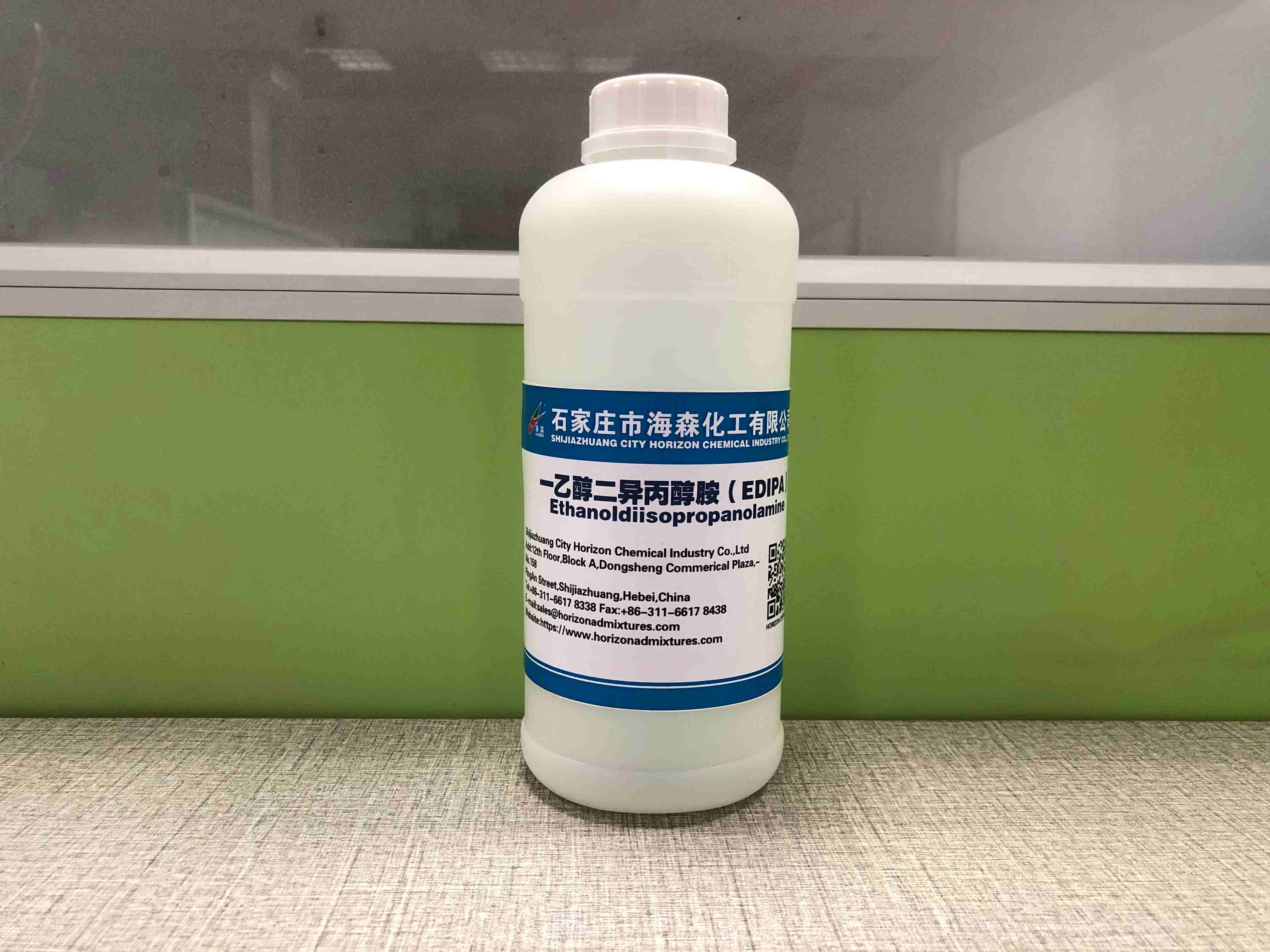
China's appetite for ethanol diisopropanolamine has quietly shifted from a niche industrial input to a structural component of several fast-moving supply chains. The compound's role in gas treating, cement grinding aids, and metalworking fluids has linked its demand to sectors that rarely pause for breath. What gets overlooked is how regional infrastructure spending and tightening environmental rules on sulfur emissions have made this chemical less of a choice and more of a default option for many operators.
Rather than tracking broad GDP figures, the real demand story shows up in plant-level purchasing patterns. Mid-sized specialty chemical producers in Shandong and Jiangsu have steadily increased order volumes over the past three years, even while cutting back on other amine-based additives. The reason is straightforward: ethanol diisopropanolamine offers a better balance of volatility and alkalinity for certain scrubber formulations, and once a formulation is locked in, switching costs become prohibitive. This stickiness helps explain why demand growth has outperformed overall industrial chemical consumption.
There is also a subtle geographic redistribution taking place. Coastal provinces with stricter air quality enforcement are pulling in larger shipments, while inland users are gradually adopting the product as aging amine units get replaced. Meanwhile, domestic capacity remains concentrated among a handful of producers, creating periodic tightness that importers have learned to exploit. For anyone trying to understand where the next wave of demand will come from, the signal is not in headline policy announcements but in the quiet expansion of specialty amine storage terminals in secondary port cities.
What’s Pushing Ethanoldiisopropanolamine Costs Higher for Chinese Plants
The latest cost surge in ethanoldiisopropanolamine production across Chinese plants traces back to two interlocking pressures: a tightening supply of key feedstocks and higher compliance spending on emissions controls. Isopropanolamine intermediates have seen spot prices climb steadily since late last year, driven by reduced operating rates at upstream ammonia and propylene oxide facilities in Shandong and Jiangsu. Many smaller producers are now competing for the same limited volumes, pushing procurement costs up by roughly 12–18% quarter over quarter. At the same time, environmental inspections in chemical parks have forced several mid-sized plants to invest in wastewater treatment upgrades and switch to pricier low-sulfur feedstocks, adding a fixed overhead that gets passed directly to buyers.
Another less visible factor is the shift in domestic demand patterns. Downstream sectors like metalworking fluids and gas treating are ordering smaller, more frequent batches instead of locking in quarterly contracts, which disrupts production planning and inflates per-unit logistics costs. Chinese producers that relied on predictable bulk shipments now face unpredictable trucking and warehousing fees, especially during brief shutdowns for maintenance or safety audits. In some regions, trucking rates for chemical cargo have jumped nearly 20% year-on-year, squeezing margins for plants that cannot pass the increase onto long-term customers immediately.
Energy pricing remains the wildcard. While coal and natural gas costs have moderated from their peaks, electricity tariffs for industrial users in several provinces were adjusted upward during peak demand periods. Ethanoldiisopropanolamine synthesis is energy-intensive, particularly in the distillation and purification stages, so even a modest increase in power costs can erase the benefit of cheaper raw materials. Add in the lingering effects of port congestion for imported catalysts and you get a cost stack where every layer—feedstock, energy, compliance, and logistics—is moving in the same direction for Chinese plants.
Why Chinese Ethanoldiisopropanolamine Exports Are Gaining Ground
China’s ethanoldiisopropanolamine producers have quietly shifted from competing purely on price to leveraging integrated production chains. Many domestic plants now source key feedstocks like ethylene oxide and isopropanolamine from nearby refineries, shrinking logistics costs and buffering against global price swings. This vertical integration lets exporters hold quotes steady when spot markets surge, a reliability that overseas buyers increasingly weigh against cheaper but more volatile alternatives.
The second driver is consistency in batch quality. Rather than chasing every low-margin order, leading Chinese manufacturers have invested in continuous distillation and automated titration systems. These upgrades cut impurities like residual amines and moisture to levels that meet tightening EU and North American specifications. As a result, distributors in Europe and Southeast Asia are beginning to treat Chinese product as a drop-in replacement for domestic output, not just a budget fallback.
Finally, export infrastructure has matured enough to erase old concerns about shipping delays. Dedicated chemical terminals at Ningbo and Shanghai now offer temperature-controlled storage and same-week vessel bookings for small parcel shipments. Combined with clearer customs documentation and a growing network of overseas agents, the friction of importing from China has dropped sharply. For formulators who once hesitated due to lead times, the math has flipped in favor of ordering larger volumes from Chinese suppliers.
How Tighter Environmental Rules Are Filtering Out Small Producers
The rising cost of compliance has become a silent gatekeeper in many industries, quietly reshaping who gets to stay in business. Small producers, once nimble and resourceful, now find themselves buried under paperwork, mandatory upgrades, and inspection fees that larger competitors absorb without flinching. What used to be a level playing field has tilted, favoring operations with dedicated environmental teams and deep legal budgets.
Regulators argue the stricter standards protect ecosystems and public health, and they are not wrong. But the practical effect is a kind of industrial natural selection where only the well-capitalized survive. A family-run dairy, a modest metal shop, or a regional textile mill can rarely justify the capital expenditure for new filtration systems or emission scrubbers, especially when margins are already thin. Many simply close their doors or sell to larger entities.
This consolidation may reduce pollution in the short term, yet it also concentrates production in fewer hands, often moving operations to regions with looser oversight. The unintended consequence is a loss of local jobs, community identity, and the kind of small-scale innovation that historically drove sustainable practices from the ground up. In the end, the filters are not just catching pollutants; they are sifting out the very producers who once gave the market its diversity.
China’s Ethanoldiisopropanolamine Balance Sheet Heading into 2030
China's ethanoldiisopropanolamine market is poised for a structural shift as domestic capacity expands faster than downstream demand. By 2030, the balance sheet will likely show a widening surplus, driven largely by new integrated petrochemical complexes along the coast that add amine units as by-product valorization. This oversupply could pressure operating rates below 65%, turning China from a marginal importer into a consistent net exporter of ethanoldiisopropanolamine.
On the demand side, growth remains tethered to construction chemicals and gas treatment applications, but substitution threats from cheaper methyl diethanolamine blends and tightening environmental rules on volatile amine emissions may cap consumption gains. Small and mid-sized producers without access to captive ethylene oxide or ammonia feedstock will face margin erosion, while backward-integrated players can absorb price dips and still move product. Expect consolidation and a quiet exit of high-cost capacity through the late 2020s.
Trade flows will also realign: Southeast Asian and Middle Eastern buyers may increasingly source from Chinese suppliers at discounts to regional contract prices, while domestic users push for formula-based pricing tied to ethylene oxide rather than fixed quarterly settlements. By 2030, the ethanoldiisopropanolamine balance sheet won't just reflect volume, but a reordering of who controls feedstock, who pays for logistics, and who bears the risk of an overbuilt specialty amine chain.
FAQ
It is an alkanolamine used mainly as a chemical intermediate and neutralizer in coatings, metalworking fluids, and personal care products. In China, demand clusters around waterborne industrial coatings and gas treatment where low-volatility amine functionality is valued.
Capacity has expanded modestly, driven by downstream coating and surfactant growth. Several mid-sized producers added flexible batch capacity, though utilization rates fluctuate with raw material costs and export orders.
The shift toward low-VOC waterborne coatings, ongoing infrastructure maintenance, and personal care manufacturing have pushed consumption upward. Gas treatment applications, while smaller in volume, provide steady specialty demand.
Propylene oxide derivatives and diisopropanolamine feedstock are central, along with energy and labor. Price swings in upstream propylene and isopropanol quickly affect margins, especially for producers without integrated supply chains.
Tighter rules on wastewater, VOCs, and hazardous chemical storage have raised compliance costs and led to consolidation. Older facilities that cannot meet discharge limits have been forced to retrofit or exit.
China is largely self-sufficient in standard grades, importing only niche high-purity material. Exports go mainly to Southeast Asia and the Middle East, though overseas competition and logistics costs limit aggressive expansion.
Demand is expected to grow at a moderate single-digit rate, supported by environmental coating mandates and personal care consumption. Capacity additions will likely remain cautious, and profitability will depend on upstream integration and the pace of specialty-grade development.
Yes, volatility in propylene feedstock, slower construction activity, or a shift to alternative neutralizing amines could temper growth. Trade friction and currency moves add uncertainty for export-focused producers.
Conclusion
China's ethanoldiisopropanolamine sector has entered a phase of rapid capacity buildup, yet the domestic demand picture is more nuanced than headline numbers suggest. While new plants in coastal chemical parks are coming online, downstream consumption in agrochemicals, cement grinding aids, and surfactant blends has not kept pace with nameplate additions. This mismatch is forcing Chinese producers to look abroad, with export volumes climbing as local supply outpaces real consumption. At the same time, input costs—particularly for ethylene oxide, isopropanolamine, and energy—have been climbing, squeezing margins for plants that cannot secure integrated feedstock or long-term utility contracts. Utilities and raw material volatility are now central to cost competitiveness, pushing operators to invest in co-generation and circular solvent recovery.
Tighter environmental enforcement is reshaping the producer landscape. Small, standalone facilities lacking wastewater treatment or emissions controls are being shut or forced into expensive retrofits, while larger, integrated sites gain market share. Looking toward 2030, China's ethanoldiisopropanolamine balance sheet points to a structural surplus unless capacity additions slow or new downstream applications emerge. Export growth will likely remain the main pressure valve, but trade barriers and logistics costs could limit how much volume leaves the country. The most probable scenario is a consolidation phase where only cost-advantaged, environmentally compliant producers survive, and the industry pivots from quantity expansion to quality differentiation and application development in niche formulations.
Contact Us
Contact Person: Sam Lee
Email: [email protected]
Tel/WhatsApp: 86-311-6617 8338
Website: https://www.horizonadmixtures.com/