

China Diesel Generator Innovations Driving Global Power Solutions
2026-07-24
As the world demands more resilient and efficient energy, China’s diesel generator innovations are quietly rewriting the rules of global power solutions. Leading this charge is DINGBO POWER, a name synonymous with precision engineering and relentless reliability. But what fresh breakthroughs are reshaping the market, and how do they tackle everything from remote off-grid needs to urban backup demands? Read on to uncover the technologies turning heads—and powering progress—across continents.
Smart Control Systems Revolutionizing Diesel GenSets
Modern diesel generators are no longer just brute-force machines; they have evolved into intelligent power nodes capable of self-diagnosis, adaptive load management, and seamless integration with renewable sources. Advanced microcontrollers now orchestrate every aspect of operation, from fuel injection timing to exhaust after-treatment, squeezing out maximum efficiency while slashing emissions. This quiet revolution under the hood means genSets can predict maintenance needs before a breakdown occurs, adjusting their behavior based on real-time data rather than fixed schedules.
Connectivity lies at the heart of this transformation. With integrated IoT modules, these systems stream performance metrics to cloud platforms, allowing operators to monitor multiple units across distant sites from a single dashboard. Machine learning algorithms chew through terabytes of operational data, spotting patterns that human eyes would miss—like a slight voltage fluctuation that precedes a governor fault. The result is a shift from reactive repairs to proactive maintenance, often resolving issues remotely without ever rolling a truck.
Perhaps most strikingly, smart controls enable parallel operation with grid-tied renewables in ways that were impractical a decade ago. A diesel generator can now instantly compensate for a sudden drop in solar output, or gently ramp down when battery storage kicks in, all while maintaining rock-solid frequency and voltage. For mission-critical facilities, this means fuel is burned only when absolutely necessary, dramatically cutting costs and carbon footprint without compromising reliability.
Hybrid Power Innovations Bridging Traditional and Renewable Energy
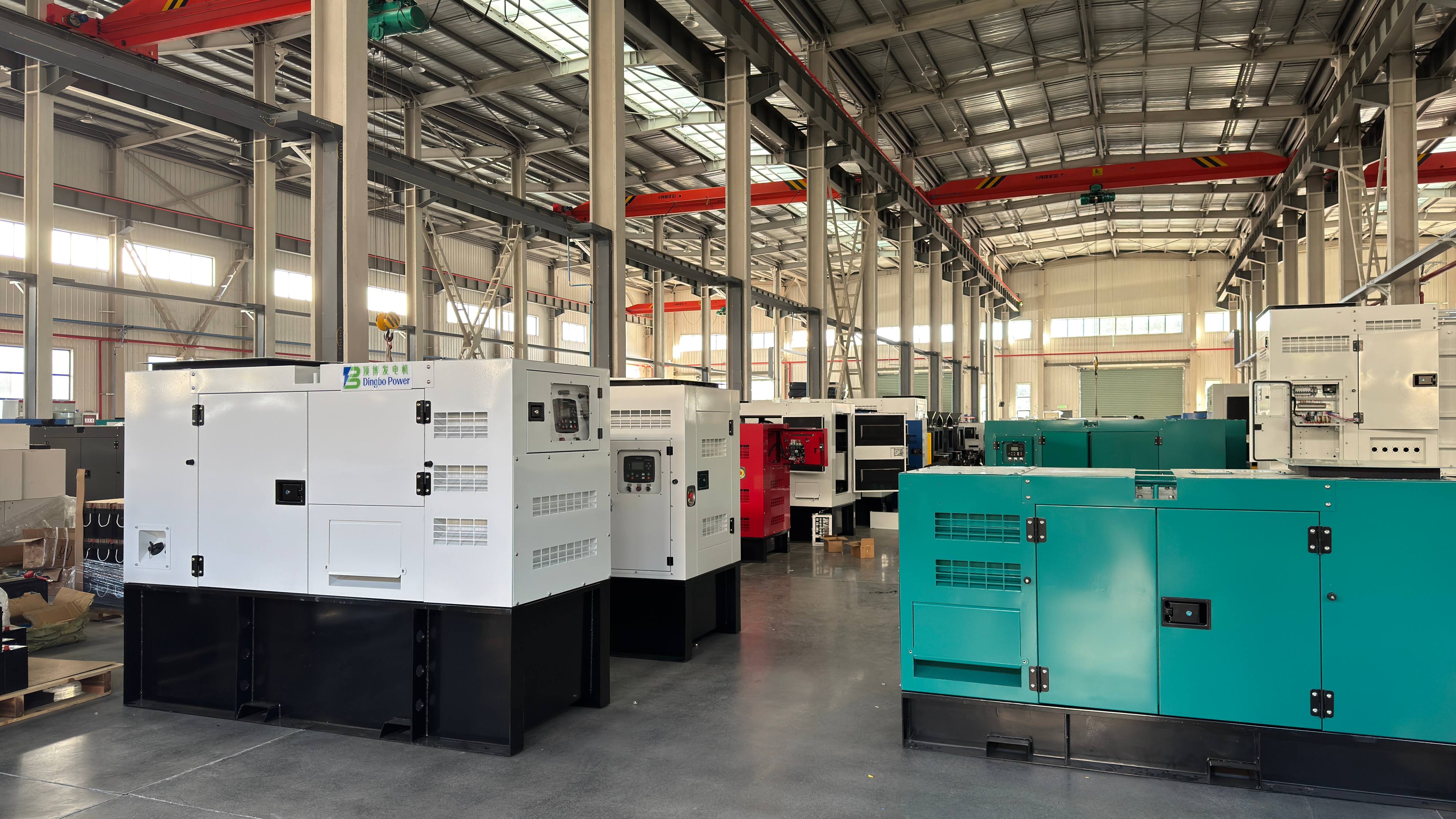
Marrying the reliability of legacy power systems with the clean promise of renewables isn’t just an engineering challenge—it’s a reimagining of how we harness energy. Hybrid installations now blend natural gas turbines with solar fields, using the former to instantly ramp up when clouds roll over, erasing the intermittenty that has long plagued photovoltaic generation. This isn’t about replacing one with the other; it’s about letting each technology play to its strengths, creating a grid that breathes with demand rather than lurching between surplus and shortfall.
Beyond mere coexistence, emerging storage chemistries are turning hybrid plants into dispatchable beasts. Vanadium redox flow batteries, for instance, sit alongside wind farms, absorbing excess gusts during low-demand hours and discharging a steady current during morning peaks. What sets these apart is the electrolyte’s ability to decouple power and energy capacity, giving operators a longevity that lithium-ion cannot match. The result is a system where the spinning reserve of a coal unit gets replaced not by one technology, but by a chorus of resources—electrons stored, shifted, and timed with precision.
The real innovation, though, lies in the control architectures that weave these disparate elements into a single, responsive entity. Instead of rigidly balkanizing generation and storage, predictive algorithms now orchestrate flows based on weather patterns, market signals, and asset health. A gas peaker plant in Texas, for example, might remain idle while its co-located battery arbitrages real-time pricing, only firing up when forecasts predict a sustained heatwave. This algorithmic glue turns a collection of hardware into a dynamic, self-healing network—one where electrons from a century-old dam flow in concert with the whisper of a next-gen fuel cell.
Off-Grid Reliability: Diesel Innovations for Remote Global Locations
In the world's most isolated regions, where grid power is a distant dream, diesel generators have long been the backbone of energy supply. Yet traditional units often falter under extreme conditions and logistical strain. Recent breakthroughs are changing that narrative. Advanced fuel injection systems now fine-tune combustion based on altitude and temperature, slashing waste even when fuel quality dips. Smart controllers learn usage patterns, adjusting output in real time to avoid the wear of constant cycling. These aren't just tweaks; they're a fundamental rethinking of how a century-old technology can meet the unforgiving demands of off-grid life, from Arctic research stations to desert telecom towers.
Reliability also means being able to diagnose and fix problems before they escalate. New telematics platforms let operators thousands of miles away monitor engine health, fuel levels, and service needs through satellite-linked sensors. Predictive algorithms flag anomalies, triggering maintenance alerts that prevent sudden failures. This remote visibility eliminates the guesswork and high cost of sending technicians into jungles or across seas on emergency calls. Meanwhile, modular designs now allow quick field repairs with minimal tools, a critical advantage when a replacement part is weeks away. The result is a dramatic extension of uptime, turning diesel generators from a brittle lifeline into a resilient partner for communities and industries off the map.
Emission Breakthroughs Making Diesel Generators Cleaner than Ever
Modern diesel generators have shed their smoky reputation thanks to a combination of advanced emission control technologies. Selective catalytic reduction (SCR) systems now inject a urea-based solution into the exhaust stream, converting nitrogen oxides into harmless nitrogen and water vapor. Diesel particulate filters (DPF) trap up to 99% of soot particles, while oxidation catalysts tackle carbon monoxide and unburned hydrocarbons. These systems work in tandem with high-pressure common-rail fuel injection, which atomizes diesel more finely, ensuring cleaner, more complete combustion from the very start.
The shift toward renewable biodiesel blends has further slashed the carbon footprint of diesel generators. Fuels like hydrotreated vegetable oil (HVO) can reduce lifecycle CO₂ emissions by up to 90%, burning with practically no sulfur or aromatics. Many modern engines can run on pure HVO or standard biodiesel without modifications, offering a drop-in solution for fleets aiming to meet strict sustainability targets. This compatibility means operators no longer have to choose between reliability and reduced environmental impact.
Digital engine management has become the silent partner in emissions reduction. Real-time sensors monitor exhaust composition, adjusting fuel delivery, injection timing, and aftertreatment regeneration cycles on the fly. Adaptive algorithms optimize performance under varying loads, preventing the rich-burn conditions that traditionally produced plumes of black smoke. Even in transient applications like backup power or construction sites, today’s generators maintain near-zero visible emissions while delivering the same rugged dependability.
Tailored Engineering Solutions Meeting Diverse International Power Needs
Power infrastructure requirements shift dramatically across borders, driven by local regulations, climate conditions, and grid characteristics. A one-size-fits-all approach simply doesn't hold up. That's why we invest heavily in understanding each region's unique technical demands before a single design is drafted. Whether it's adapting to frequency variations, integrating with legacy systems, or meeting stringent environmental standards, our engineering process starts with context. We combine on-the-ground insights with modular design principles, allowing us to deliver solutions that feel native to their operating environment rather than retrofitted imports.
Our collaboration model bridges the gap between global expertise and local execution. Rather than centralizing all decision-making, we empower regional engineering hubs with the tools and autonomy to tailor systems in real time. This means faster response to client feedback, smoother certification processes, and equipment configured to handle everything from extreme temperatures to unstable input voltages. By embedding ourselves in the ecosystems we serve, we've managed to shorten project timelines while raising reliability scores across a portfolio that spans over thirty countries.
Flexibility extends beyond hardware into the very way we structure partnerships. Clients often need scalable solutions that can evolve with changing grid codes or load profiles, and our engineering teams prioritize future-proofing from day one. This has led to innovations like multi-mode inverters that switch operational logic based on geographic location, and control systems that accept real-time firmware updates without site visits. The result is a product line that respects diversity not as a challenge to overcome, but as the very driver of smarter, more resilient power delivery.
Unlocking Unmatched Fuel Efficiency in Modern Diesel Generators
What truly sets modern diesel generators apart isn't just their rugged reliability, but the staggering leaps made in fuel economy. This transformation has been fueled by integrating high-pressure common rail injection systems that atomize fuel with surgical precision, allowing for more complete combustion cycles. Paired with advanced electronic governors and real-time sensor arrays, these engines now micro-adjust fuel delivery hundreds of times per second, slashing waste without sacrificing power output.
Beyond the engine block, smart load management has redefined what efficiency means. Instead of running at a fixed speed regardless of demand, many newer units employ variable speed technology that matches rpm to the actual electrical load. During lighter demand periods, the generator dials back its pace, avoiding the fuel burn penalty typical of older designs. Combined with low-friction materials and precision cooling that keeps thermal efficiency high, these innovations collectively push fuel consumption down by double-digit percentages — a quiet revolution that operators feel directly in operating costs.
FAQ
Chinese firms have pioneered high-pressure common rail fuel injection and advanced electronic control modules that optimize combustion, reducing fuel consumption by up to 15% compared to conventional models.
They are integrating SCR and DPF after-treatment systems to meet Tier 4 Final and EU Stage V standards, while also developing hybrid systems that combine diesel with battery storage for lower overall emissions.
Manufacturers now offer IoT-enabled remote monitoring and predictive maintenance platforms, allowing operators to track performance metrics and receive alerts about potential failures via mobile apps in real time.
They serve as prime or backup power for construction sites, mines, and telecom towers in remote areas across Africa and Asia, where grid reliability is low and robust, cost-effective solutions are essential.
They conduct rigorous testing in simulated high-altitude and extreme temperature chambers, and use reinforced components like heavy-duty air filters and cooling systems designed for desert or tropical environments.
Advanced acoustic enclosures with multi-layer sound-absorbing materials and redesigned airflow paths have cut noise levels to as low as 65 dBA at 7 meters, making them suitable for urban and residential areas.
They are developing diesel generators with built-in grid synchronization and load management capabilities, enabling seamless pairing with solar and wind systems to form stable microgrids in off-grid locations.
They combine affordable pricing with shortened lead times and extensive after-sales service networks, often providing localized spare parts inventory and technician training in key export regions.
Conclusion
China's diesel generator industry is undergoing a transformative shift, propelled by smart control systems that bring automation and real-time monitoring to the forefront. These intelligent gensets adjust output dynamically based on load demand, drastically reducing wasted energy. Integrated with hybrid power innovations, they seamlessly bridge traditional diesel with solar and battery storage, creating flexible microgrids that maximize renewable utilization while ensuring uninterrupted power. In remote areas—from mining sites in Africa to island communities in Southeast Asia—Chinese manufacturers are delivering robust off-grid solutions designed to withstand extreme conditions. Advanced enclosure designs, remote diagnostics, and enhanced durability make these units ideal for locations where grid access is nonexistent and reliability is paramount.
Environmental responsibility is another driving force. Breakthroughs in emission control, including advanced SCR and particulate filters, are making diesel generators cleaner than before, aligning with international climate goals. At the same time, bespoke engineering services allow Chinese companies to tailor solutions for diverse global needs—whether for hospitals requiring ultra-stable power or data centers demanding rapid load response. Finally, relentless efficiency improvements are unlocking unmatched fuel economy. Through optimized combustion, variable speed technology, and waste heat recovery, modern Chinese diesel generators are cutting operational costs and carbon footprints simultaneously. These converging innovations position China as a pivotal force in shaping the future of global power solutions.
Contact Us
Contact Person: Rita
Email: [email protected]
Tel/WhatsApp: +8613481024441
Website: https://www.dbdieselgenerator.com/