

Carbon-Based Fertilizer Exporter: Unlocking Sustainable Growth in Global Agriculture
2026-08-06
In a world hungry for both higher crop yields and environmental responsibility, carbon-based fertilizers have quietly become the missing link. As a premier exporter, Tundrr is redefining what it means to grow smarter—nourishing soils, trapping carbon, and bridging the gap between profitability and sustainability. Curious how this ancient wisdom meets modern science? The journey into truly sustainable global agriculture starts here.
Revitalizing Soils with Carbon-Rich Formulations
Regenerating depleted soils isn't just about adding nutrients—it's about restoring the living engine beneath our feet. Carbon-rich formulations, like those derived from composted organic residues and biochar, offer a way to jump-start this biological resurgence. Instead of treating soil as an inert growing medium, these amendments feed a hidden ecosystem. Microbes, starved by years of conventional inputs, suddenly find themselves in a feast of complex carbon chains. The result isn't instant, but it's transformative: aggregate stability returns, earthworms carve out new networks, and mycorrhizal fungi reconnect threads that chemical salt buildup had severed. It’s a slow, deliberate shift from dependency on soluble fertilizers to a system where plants actively trade sugars for mineral nutrients with a revitalized underground workforce.
These amendments don't merely boost organic matter levels on a test report; they transform the soil's physical architecture. The porous, recalcitrant carbon structures create micro-habitats for beneficial fungi and bacteria, improving water infiltration and holding onto moisture long after rain. Unlike peat or raw manure, highly processed carbon formulations resist rapid breakdown, meaning their impact lingers across seasons. This long-term structural improvement eases compaction and reduces runoff, turning once-sour ground into a springy, breathing medium that can finally support deep root penetration.
Farmers who have shifted toward carbon-focused soil amendments often report something deeper than higher yields: a quiet resilience. Fields withstand drought with less stress, recover faster from tillage, and gradually suppress soilborne diseases—all signals that the soil’s own engine is back online. It’s a regenerative loop; as soil life flourishes, it produces more glues and gums that further stabilize carbon, creating a self-sustaining cycle of improvement. In arid and humid regions alike, this approach rewrites the playbook, proving that the fastest way to fix tired land is to feed the invisible community that built it in the first place.
Tapping into New Markets Across Continents
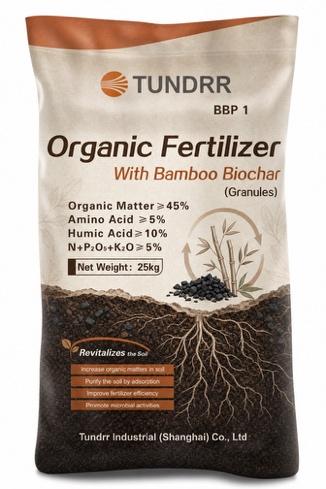
Expanding into unfamiliar territories isn't just about crossing borders—it's about truly understanding the people you're trying to serve. We've seen brands stumble by simply translating their existing materials and assuming the same approach will resonate. Real traction comes from immersing yourself in local behaviors, preferences, and purchasing habits. That might mean adapting your product's features or even rethinking your entire messaging to feel native rather than imported.
One of the most overlooked aspects is distribution. Without a partner who already has feet on the ground, logistics can quickly turn into a maze of delays and compliance hurdles. That's why we prioritize building relationships with regional distributors who don't just move products but understand the cultural nuances that can make or break a launch. It's less about the volume of resources you pour in and more about how smart those partnerships are from day one.
Data often tells a different story on each continent. What spikes in Europe during the summer might flatline in South America, and a pricing model that works in North America may seem tone-deaf elsewhere. Rather than guessing, we lean heavily on localized pilot programs—small, iterative launches that let us test assumptions before scaling. This isn't about playing it safe; it's about being deliberate enough to actually last in markets where loyalty isn't given, it's earned over time.
The Science Behind Carbon-Based Nutrient Delivery
Understanding how plants absorb nutrients reveals why carbon-based delivery systems outperform conventional methods. At the root zone, organic carbon molecules act as natural chelators, binding essential minerals like iron, zinc, and calcium in forms that plants can readily recognize and uptake. This process mimics the symbiotic relationships found in healthy soil ecosystems, where microbial activity breaks down organic matter into bioavailable compounds. Rather than flooding the soil with synthetic salts that often lock up or leach away, carbon-based carriers stabilize nutrients and release them in sync with the plant’s growth demands. The result is a more efficient transfer of energy and building blocks directly to cellular sites, reducing waste and environmental runoff.
The chemistry behind this approach hinges on the porous structure of carbon substrates, which provide high surface area for nutrient adsorption and gradual desorption. These nano-scale cavities shield sensitive elements from degradation or premature reaction with soil particles. Phosphorus, for instance, typically gets immobilized within minutes of application in many soils, but when nested in a carbon matrix, its availability extends over weeks. This sustained presence ensures that metabolic pathways—from photosynthesis to enzyme synthesis—never starve for critical inputs. Moreover, carbon’s natural affinity for water creates micro-zones of hydration around roots, keeping nutrients dissolved and accessible during dry spells without the constant need for irrigation.
What sets this system apart is its alignment with a plant’s innate signaling language. Root exudates—carbohydrates, amino acids, and organic acids—already manipulate the rhizosphere to mine for nutrients. By preloading carbon vehicles with a balanced payload, growers essentially speak the plant’s own code, triggering vigorous uptake responses. Field trials have demonstrated that crops fed through this method exhibit deeper root architecture, thicker cell walls, and increased resilience to abiotic stress. This isn’t mere fertilization—it’s a dialogue with the living system that fine-tunes nourishment delivery based on real-time biological cues, all while building soil organic matter and long-term fertility in the background.
Case Studies: From Field Trials to Global Adoption
Field trials are where theory meets reality. In one notable project, a drought-resistant maize variety was tested across smallholder farms in Kenya. The initial results were uneven—some plots thrived while others barely survived. Instead of discarding the variety, agronomists worked with local farmers to understand the micro-conditions, adjusting planting depth and timing. This collaborative tweaking boosted yields by over 40% in subsequent seasons, turning skeptics into advocates. The key was not just the seed itself, but the iterative, on-the-ground learning that no lab could replicate.
Scaling a success story beyond a handful of villages is a different challenge altogether. The maize project expanded by creating a network of farmer-led demonstration plots, where peers could see the results firsthand. Government extension services were initially hesitant, so the team partnered with rural radio stations and SMS services to share best practices. This decentralized approach allowed for rapid adaptation—farmers in different regions modified the techniques to suit their soil types and rainfall patterns. Within five years, the adoption rate crossed 60% in targeted districts, without a heavy-handed top-down push.
Achieving global adoption meant navigating a maze of policy, supply chains, and cultural preferences. The maize variety had to be formally released in each country, requiring compliance with local seed regulations. Partnerships with regional seed companies ensured production and distribution at scale, while community seed banks preserved genetic diversity. Perhaps most critically, women’s farming cooperatives were brought into the loop, addressing gender-specific barriers to access. What began as a pilot in three Kenyan counties is now feeding millions across ten African nations, a testament to the power of embedding local realities into every stage of scaling.
Navigating Regulations and Quality Standards for Export
Taking a product across borders means far more than just finding customers. Every country maintains its own set of rules governing what can enter, how it must be labeled, and which certifications are non-negotiable. Overlooking a single requirement can result in delayed shipments, unexpected fees, or even a complete rejection at customs. The key lies in treating compliance as a living process rather than a one-time checklist.
Quality standards add another layer, often overlapping with regulatory demands but driven by distinct forces like industry bodies or consumer expectations. Whether it’s the widely recognized ISO framework, sector-specific benchmarks for electronics or food, or voluntary marks that signal trust to buyers, aligning your product with the right standards can open doors that price alone cannot. Building internal systems that track evolving requirements—and educating teams to spot gaps early—can turn a potential headache into a competitive edge.
Navigating this landscape successfully demands a blend of proactive research and local partnerships. Tapping into the expertise of in-country consultants or connecting with trade promotion agencies often reveals practical shortcuts that aren't found in official manuals. Beyond that, digitizing your documentation and setting up automatic alerts for regulatory updates can save weeks of scrambling. The effort might feel heavy upfront, but it pays dividends in smoother entry and lasting buyer confidence.
Collaborating with Farmers for Long-Term Resilience
Building lasting resilience in agriculture starts with listening to those who know the land best. Through open dialogue and shared decision-making, we co-create strategies that blend traditional knowledge with modern agronomy. Farmers are not just participants—they are partners in designing adaptive practices that withstand climate pressures, market shifts, and resource constraints.
Our approach goes beyond one-off consultations. We set up long-term learning networks where growers can exchange real-world insights, test new techniques on small plots, and collectively refine solutions. This peer-driven innovation helps spread resilient methods faster, from cover cropping and water-smart irrigation to diversified income streams. The focus is always on practical, scalable actions that strengthen both individual farms and the surrounding community.
Crucially, we link these on-the-ground efforts with localized weather data and long-range forecasts, turning information into actionable foresight. Farmers learn to read early warning signals and adjust planting calendars or input use accordingly. This continuous loop of collaboration, learning, and adaptation plants the seeds for a future where agriculture thrives not in spite of challenges, but because of the deep, trust-based partnerships we have cultivated together.
FAQ
Carbon-based fertilizers are soil amendments made primarily from organic carbon sources like biochar, compost, or humic substances. Unlike synthetic fertilizers that mainly supply N-P-K, they focus on rebuilding soil organic matter, improving microbial life, and enhancing long-term fertility rather than delivering a quick nutrient spike.
While synthetics offer immediate results, they can degrade soil health over time, leading to compaction and reduced water retention. Carbon-based options slowly rebuild soil structure and biodiversity, meaning fewer inputs are needed over the long run. Many farmers find the shift pays off through healthier crops and lower overall input costs after a few seasons.
Reputable exporters typically hold certifications like organic input approval (such as OMRI or EC regulations for organic farming), quality management standards (ISO 9001), and safety data sheets. Country-specific requirements vary, so the exporter should provide clear documentation on product composition, heavy metal limits, and pathogen-free guarantees.
By incorporating stable organic carbon into the soil, these fertilizers help lock atmospheric carbon into the ground. It’s a practical way for agriculture to offset greenhouse gas emissions. Globally, this aligns with corporate sustainability pledges and national climate targets, which increasingly encourage or mandate regenerative practices.
Since many carbon-based fertilizers are bulky and have a lower nutrient density compared to synthetics, shipping costs can be high. Moisture content control is crucial to prevent spoilage or mold during transit. Exporters must also navigate varying import regulations for organic materials, which sometimes require additional phytosanitary certificates or fumigation treatments.
They blend quite well with conventional programs. Many farmers use them alongside reduced synthetic doses to improve soil health without completely overhauling their approach. The key is to understand the release patterns so that the fast-acting synthetics complement the slow-release organic matter, giving both immediate and sustained plant nutrition.
Beyond product consistency and price, a buyer should evaluate the supplier's raw material source—is it sustainably derived? Technical support matters too: can they help with application rates for specific crops? Finally, check their track record with customs clearance and ability to provide consistent shipment volumes year-round to avoid supply gaps.
Conclusion
Carbon-based fertilizer exporters are reshaping global agriculture by breathing new life into depleted soils with carbon-rich formulations that go far beyond conventional nutrient supplements. These products revitalize soil structure, boost microbial activity, and enhance water retention, creating a resilient foundation that reduces dependency on synthetic inputs. The science underpinning this shift is compelling: advanced pyrolysis and composting techniques transform agricultural waste and organic residues into stable, nutrient-dense carriers that release nitrogen, phosphorus, and micronutrients gradually, matching crop uptake patterns and minimizing runoff. As climatic stresses intensify, such precise nutrient delivery not only lifts yields but also rebuilds the organic matter that conventional farming has stripped away, making carbon-based solutions a cornerstone of regenerative practices worldwide.
Exporters are bridging continents by tapping into markets where soil fatigue and stricter environmental regulations are driving demand. Success stories from rice paddies in Southeast Asia to maize belts in Africa show how field trials translate into tangible gains—improved drought tolerance, reduced fertilizer costs, and stronger rural livelihoods. Yet global expansion is not simply about shipping products; it requires a nuanced grasp of regional quality standards, import protocols, and certification frameworks. Leading exporters invest heavily in navigating these regulatory mazes while forging direct collaborations with growers to tailor application methods and share data. By embedding technical support and long-term agronomic partnerships into their models, these firms turn one-time buyers into co-creators of sustainable supply chains, proving that carbon-based fertilizer exports are as much about building lasting resilience as they are about enriching harvests.
Contact Us
Contact Person: Ellen Zhang
Email: [email protected]
Tel/WhatsApp: +86(21) 2287 6756
Website: https://www.tundrr.com/en/