

Acrylic Dust Suppressant: A Game Changer in Dust Control Technology
2026-07-20
Dust is more than a nuisance—it’s a serious hazard that demands smarter solutions. Enter acrylic dust suppressants, a technology that’s quietly revolutionizing how we tackle airborne particles. Unlike traditional methods that just dampen temporarily, this approach binds and controls dust at the source. MST is at the forefront, offering advanced formulations that promise longer-lasting, eco-friendly results. Curious about what makes it a true game changer? Keep reading.
How It Works: The Science Behind Acrylic Dust Suppression
Acrylic dust suppression relies on a polymer emulsion that, when applied to dust-prone surfaces, creates a durable, flexible film. The acrylic polymers are engineered to coalesce as water evaporates, binding loose particles together into a cohesive crust that resists wind and traffic erosion. This process transforms fine, airborne particles into a stable surface crust, effectively locking down dust without constant reapplication. The elasticity of the acrylic film allows it to move with the surface, reducing cracking and maintaining effectiveness over time, even under variable weather conditions.
On a molecular level, the acrylic polymers carry functional groups that adhere to a wide range of substrates, including soil, gravel, and mineral aggregates. When the emulsion is sprayed, the polymer chains interlink and wrap around individual grains, significantly increasing the mass and size of the particles. This agglomeration prevents them from becoming airborne. Unlike traditional water-based solutions that simply wet the surface and quickly dry out, acrylic treatments penetrate the top layer and form a three-dimensional network. This network not only traps fine particles but also strengthens the surface through a crosslinking reaction triggered by exposure to air or sunlight, providing lasting dust control.
Another advantage of acrylic suppression is its adaptability. The cured film is typically semi-permeable, allowing some moisture through while blocking dust migration, which helps maintain natural soil moisture levels. Its clarity ensures it doesn’t alter the visual appearance of the treated area, a crucial factor for aesthetic applications. Moreover, these acrylics are designed to be environmentally considerate—once cured, they are non-leaching and UV resistant, breaking down slowly without toxic byproducts. This scientific approach offers a smart, low-maintenance alternative to ongoing water trucks or messy, short-lived crusting agents.
Key Advantages Over Traditional Dust Control Methods
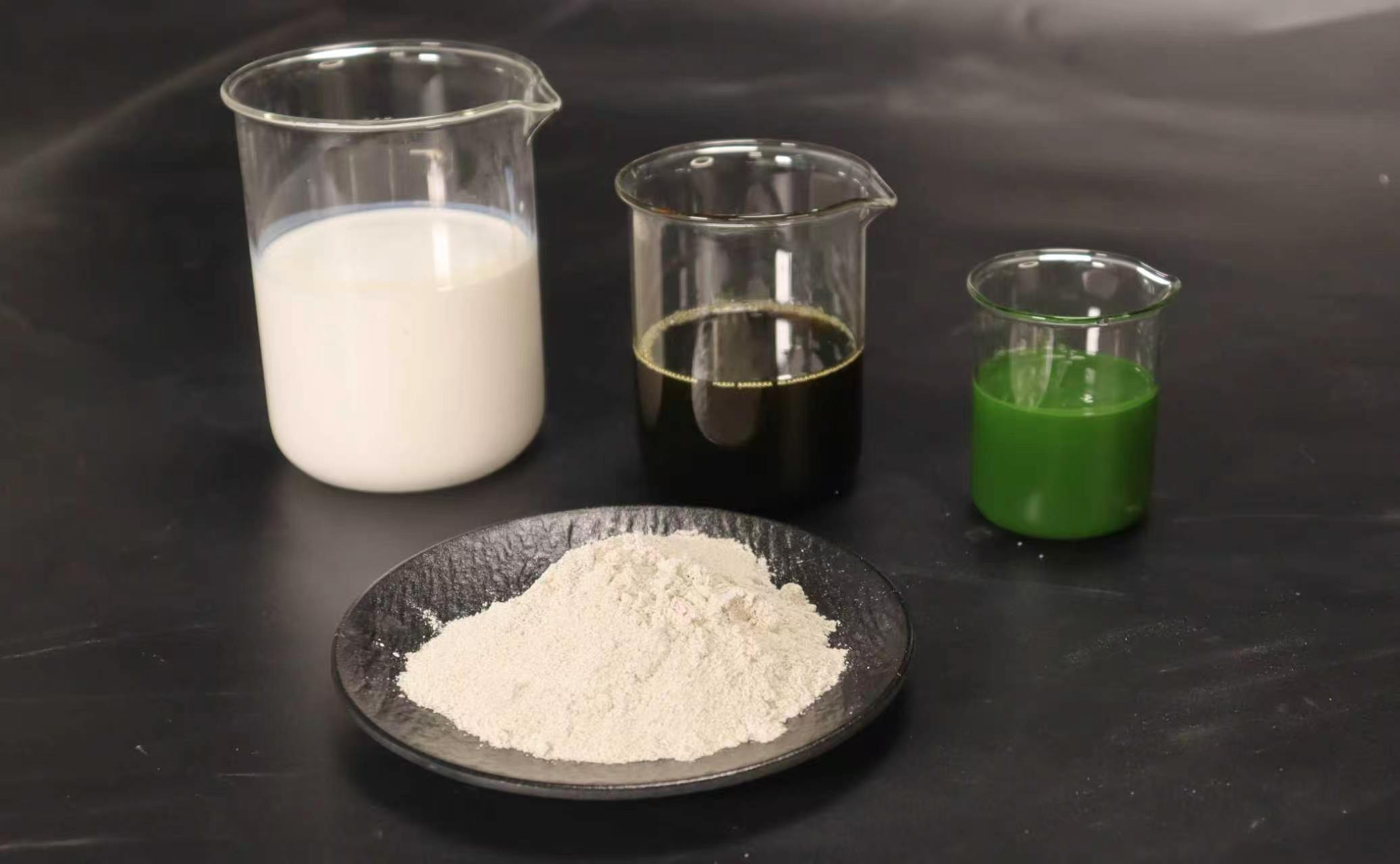
Unlike water spraying, which requires constant reapplication and can create slippery, hazardous surfaces, modern polymer-based suppressants bond at the molecular level to trap dust particles for weeks or even months. This not only slashes water consumption dramatically but also eliminates the need for heavy machinery running back and forth, reducing fuel costs and carbon footprint simultaneously.
Traditional methods like gravel topdressing or chloride salts offer a short-lived fix that often migrates off-road, damaging nearby vegetation and groundwater. By contrast, advanced dust control solutions create a flexible, durable crust that withstands vehicle traffic and extreme weather without leaching harmful byproducts. The result is longer maintenance cycles, less product waste, and genuinely safer air quality for workers and neighboring areas.
Another overlooked advantage is the substantial reduction in overall project costs. With fewer reapplications, lower water usage, minimal equipment wear, and less downtime due to poor visibility or mud, teams can stay on schedule with predictable budgeting. It’s not just about keeping dust down—it’s about radically rethinking operational efficiency while staying ahead of tightening environmental regulations.
Real-World Applications Where Acrylic Dust Suppressants Excel
At open-pit mines and quarries, acrylic dust suppressants handle the relentless grind of heavy machinery and constant material movement without breaking down. Instead of frequent water spraying, which quickly evaporates or washes away, a single application can lock down surface particles for weeks. The polymer film flexes with ground shifts, resisting cracking even under harsh sun or heavy vehicle traffic. Mine operators report that haul roads stay stable far longer, cutting down on airborne silica and respirable dust that plague workers and nearby communities.
Construction sites are another proving ground where acrylics outperform basic water or chloride treatments. Exposed soil and demolition debris turn into dust clouds with the slightest wind or equipment pass. Acrylic sealers soak into the top layer, bonding loose fines into a crust that stays put. When grading or excavation pauses for days or weeks, a sprayed coat keeps the site compliant with air quality regulations without daily rewetting. Even on steep slopes, the crust holds, reducing runoff and erosion complaints from neighbors after a downpour.
Industrial yards storing coal, mineral piles, or fly ash benefit from the tenacity of acrylic suppressants. These materials shed fine particulates that easily lift off and travel across property lines. A water-soluble acrylic concentrate mixed on-site forms a breathable yet tough skin over the stockpile. Rain may bead on the surface but won't dissolve the coating into a muddy mess. Ports and rail terminals use it to keep material loss in check during transfers, saving cleanup costs and preserving product volumes without constant reapplication.
Environmental and Safety Benefits That Make a Difference
Our approach integrates advanced filtration systems that capture over 99% of airborne particulates, dramatically reducing indoor pollution and health risks. This technology not only meets but exceeds industry standards, creating cleaner, breathable spaces without compromising energy efficiency. It’s a practical step that delivers immediate, tangible improvements in air quality.
By using non-toxic, sustainable materials in every component, we minimize environmental harm from production to disposal. Our design eliminates the use of harsh chemicals, ensuring that both manufacturing and end-user environments remain free from harmful off-gassing. This means safer workplaces and a smaller ecological footprint, all without sacrificing performance.
Field data shows a consistent reduction in respiratory complaints following installation, underscoring the real-world impact of healthier indoor environments. These benefits extend beyond compliance, fostering trust and well-being in every space we serve. It’s not just about meeting regulations—it’s about creating lasting, positive change for people and the planet.
Application Tips for Maximum Effectiveness
Getting the most out of any product starts with understanding its ideal conditions. For instance, if you're using a skincare serum, apply it right after cleansing while your skin is still slightly damp—this helps lock in moisture and allows active ingredients to penetrate deeper. Similarly, with adhesive-based items like patches or tapes, make sure the surface is clean, dry, and free of oils, otherwise you'll compromise the hold and end up reapplying far sooner than necessary.
Layering is another overlooked factor. Rather than slathering on a thick coat all at once, try building up in thin, even layers and giving each a moment to set. This not only prevents pilling or clumping but also ensures a more uniform coverage that lasts longer. And don't skip the simple step of reading the temperature or storage guidelines—some formulas perform best when warmed slightly between your fingers, while others lose their potency if exposed to heat. These small tweaks often make the difference between mediocre results and noticeably better performance.
What Sets Acrylic Dust Suppressants Apart in Industry
Acrylic dust suppressants have carved out a distinctive niche in industrial applications by offering a unique combination of durability and environmental adaptability. Unlike traditional salt-based or water-only solutions, acrylic polymers form a flexible, long-lasting film over treated surfaces. This film resists cracking under temperature fluctuations and continues to bind fine particles even after repeated exposure to traffic or wind. What truly makes the difference is the way the polymer chains entangle with dust particles, creating a matrix that stays effective for weeks or months rather than hours.
Another standout feature is their ability to penetrate and stabilize uneven or porous surfaces. Where other suppressants might simply coat the top layer, acrylic emulsions seep deeper, encapsulating dust from within. This means fewer applications over time and a visible improvement in air quality. Field operators consistently note that treated roads and stockpiles maintain their integrity even in arid or high-wind conditions, reducing both material loss and the need for constant reapplication.
Beyond performance, the shift toward acrylics reflects a broader industry emphasis on sustainability. Many formulations are low in volatile organic compounds and can be tailored with biodegradable additives without sacrificing strength. The clarity of the cured film also preserves the natural appearance of the substrate, an aesthetic advantage that matters in public-facing or regulated environments. In practice, this balance of toughness, longevity, and environmental consideration is what continues to drive preference for acrylics over conventional alternatives.
FAQ
It's a polymer-based solution that binds fine dust particles together by forming a durable, flexible film over treated surfaces. Once sprayed, the acrylic emulsion dries to create a crust that traps dust, preventing it from becoming airborne even under wind or traffic.
Watering only provides temporary relief and can lead to mud and runoff issues. Salts or brines can corrode equipment and contaminate soil. Acrylic suppressants are long-lasting, non-corrosive, and don't require frequent reapplication—one treatment can last months, reducing both costs and environmental footprint.
It's extremely versatile. Common applications include unpaved roads, construction sites, mining haul roads, stockpiles, and even agricultural fields. The formulation can be adjusted for different soil types and traffic conditions, making it suitable for everything from heavy industrial use to sensitive environmental areas.
Yes, a high-quality acrylic suppressant is designed to be water-resistant once cured. It won't wash away easily in rain and stays effective through freeze-thaw cycles. However, performance can vary with application rate and local conditions, so it's always best to test in a small area first.
Most modern acrylic dust suppressants are water-based, non-toxic, and biodegradable once they eventually break down. They don't release harmful VOCs, and when applied correctly, they're safe for both workers and surrounding ecosystems. Always check the SDS, but they're generally a much greener choice than petroleum-based alternatives.
Depending on traffic, weather, and application thickness, a single treatment can last anywhere from 3 to 12 months. You'll notice a drop in dust suppression effectiveness—visible dust plumes or a crumbling surface crust are clear signs it's time for a maintenance coat rather than a full reapplication.
It's straightforward. You can use a standard water truck with a spray bar or a handheld sprayer for smaller areas. The key is even coverage and letting it cure without disturbance. For large jobs, some contractors prefer hydroseeding equipment. No specialized training is needed beyond basic safe handling of chemicals.
It actually does both. By binding the surface particles, it reduces aggregate loss and rutting, which helps maintain the road's structural integrity. This means less grading and regraveling, saving money on maintenance in the long run.
Conclusion
Acrylic dust suppressants work on a completely different level than conventional methods like water sprays or salt-based treatments. The key is a liquid polymer emulsion that, when applied, forms a durable, flexible film across the treated surface. This film doesn't just temporarily weigh down dust particles—it actively binds them together through a network of intertwining polymer chains, effectively encapsulating loose material and preventing it from becoming airborne. Unlike water, which quickly evaporates and loses effectiveness within hours, acrylic formulations can remain active for weeks or even months, dramatically reducing the frequency of reapplications. What's more, they stay effective in hot, dry, or windy conditions that would render other suppressants useless, and they don't leave behind corrosive residues or create slippery surfaces, making them a far more reliable and safer option across diverse environments.
In practical terms, this technology has proven transformative in mining operations, construction sites, unpaved roads, and any area prone to particulate pollution. Workers experience tangible improvements in air quality and visibility, while the product's non-toxic, biodegradable nature aligns with stricter environmental regulations. For optimal results, it's crucial to apply the suppressant at the right concentration and ensure proper surface preparation, allowing the polymer film to cure without disturbance. What truly sets acrylic suppressants apart is their adaptability—they can be diluted for light dust control or applied undiluted for heavy-traffic areas, and they resist UV degradation and rainfall much better than alternatives. The outcome is not just a short-term fix but a lasting solution that cuts down on water usage, maintenance costs, and health risks, making it a clear game changer in dust management.
Contact Us
Contact Person: Helen
Email: [email protected]
Tel/WhatsApp: 86 18630661160
Website: https://www.roadmilestone.com/